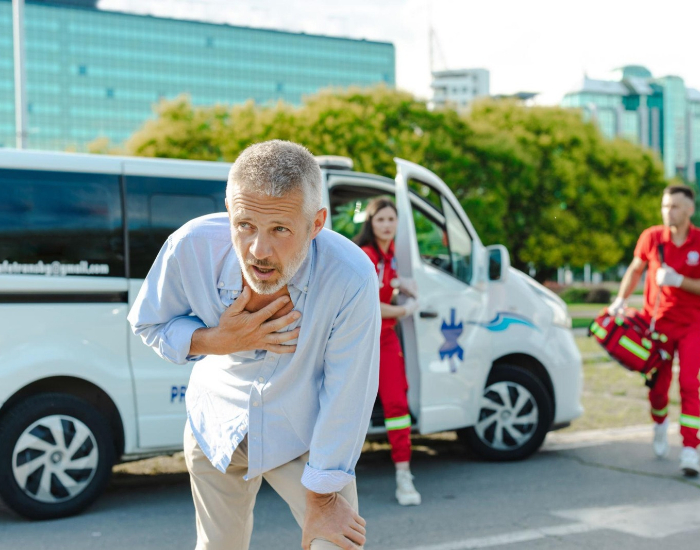
A sudden stabbing pain in the chest. Shortness of breath that seems far worse than expected for the activity you’re doing. Rapid heartbeat, a cold sweat, or a sense of impending doom. These symptoms can feel alarming and confusing. Many people wonder if it’s just heartburn, a panic attack, or something minor that will resolve on its own.
However, these could be signs of a pulmonary embolism (PE), a life-threatening condition caused by a blood clot that travels to the lungs. Recognizing pulmonary embolism symptoms early and seeking immediate emergency care can be the difference between life and death.
Understanding what PE is, how to spot warning signs, why rapid evaluation in an ER is essential, and how treatment works is crucial for protecting your heart and lungs.
What Is a Pulmonary Embolism?
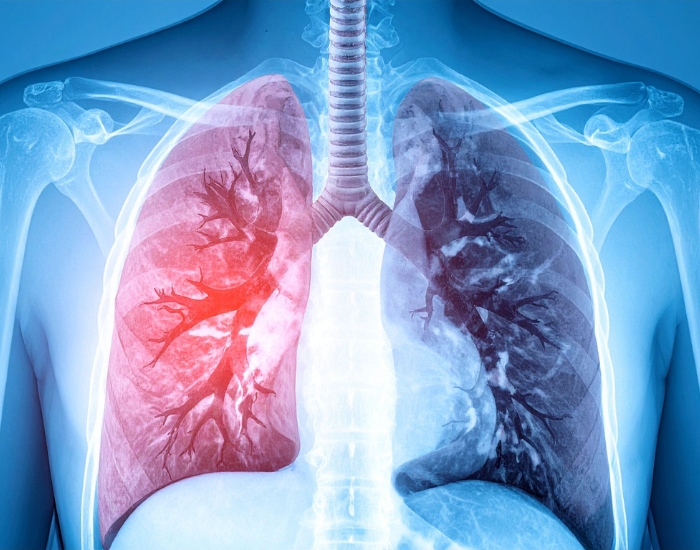
A pulmonary embolism occurs when a blood clot blocks blood flow in one of the pulmonary arteries in the lungs. Most clots that cause PE originate from deep vein thrombosis (DVT) in the legs. When a clot dislodges, it travels through the bloodstream and lodges in the lung arteries, reducing or completely blocking oxygen delivery to lung tissue.
This blockage is dangerous for several reasons:
-
Increases strain on the heart: The right side of the heart has to work harder to push blood through blocked arteries.
-
Reduces oxygen in the blood: Organs, including the brain and heart, may not get enough oxygen.
-
Can cause lung damage or death if untreated: Large clots or multiple clots can rapidly become fatal.
Even smaller clots require urgent attention, as they can grow, recur, or damage lung tissue permanently.
Common Pulmonary Embolism Symptoms
Pulmonary embolism can present suddenly or develop more gradually. Symptoms often overlap with other conditions, which can delay recognition. Typical pulmonary embolism symptoms include:
-
Sharp or stabbing chest pain, especially when taking deep breaths (pleuritic pain)
-
Shortness of breath at rest or with minimal exertion
-
Rapid heartbeat or palpitations
-
Lightheadedness, dizziness, or fainting
-
Sweating or clammy skin
-
Cough, sometimes with blood (hemoptysis)
-
Anxiety, restlessness, or a sense of impending doom
Because these symptoms mimic heart attack, pneumonia, or anxiety, emergency evaluation is always necessary. Attempting to self-diagnose can delay life-saving care.
When to Go to the ER
Emergency care should be sought immediately if you experience any of the following:
-
Sudden shortness of breath or chest pain
-
Rapid heartbeat or palpitations
-
Lightheadedness, fainting, or severe anxiety
-
Coughing up blood
-
Recent leg swelling, pain, or known DVT
Searching for a pulmonary embolism ER near me in Houston ensures access to rapid testing and treatment. Early intervention can prevent fatal complications and improve recovery.
Even mild symptoms should not be ignored, especially if you have risk factors for blood clots.
Why Pulmonary Embolism Is Life-Threatening
Pulmonary embolism can escalate quickly. A large clot may:
-
Completely obstruct blood flow to a portion of the lung
-
Reduce oxygen levels throughout the body
-
Cause strain on the heart, potentially leading to collapse
-
Result in sudden death if untreated
Even smaller clots are dangerous because they can grow, recur, or damage lung tissue over time. Prompt recognition and treatment are critical for survival and long-term lung health.
How Pulmonary Embolism Is Diagnosed
Diagnosis relies on imaging, lab testing, and clinical evaluation. Key steps include:
-
CT pulmonary angiography: The gold standard for visualizing clots in lung arteries
-
Blood tests: Including D-dimer, which can indicate abnormal clotting activity
-
Ultrasound of the legs: To check for DVT as the source of the clot
-
ECG and vital signs monitoring: To assess heart strain
-
Ventilation-perfusion (V/Q) scan: Sometimes used when CT is not an option
Early detection allows doctors to initiate treatment quickly, preventing complications and reducing the risk of death.
Risk Factors for Pulmonary Embolism
Certain factors increase the likelihood of PE:
-
Recent surgery, especially orthopedic procedures
-
Prolonged immobility, such as long flights or extended bed rest
-
Cancer or chemotherapy
-
Pregnancy or postpartum period
-
Obesity
-
Smoking
-
Prior history of DVT or PE
-
Genetic clotting disorders
Even people without these risk factors can develop a pulmonary embolism, making sudden chest pain or shortness of breath a reason to seek emergency care immediately.
Treatment for Pulmonary Embolism
Treatment depends on the severity of the PE:
-
Anticoagulants (blood thinners): The mainstay of therapy to prevent clot growth and recurrence
-
Thrombolytic therapy: Medications that dissolve clots, used in severe cases
-
Oxygen therapy: To maintain safe oxygen levels
-
Surgery or catheter-based clot removal: Rarely needed but lifesaving in large clots
-
Long-term prevention: May include continued anticoagulation, compression therapy, or lifestyle modifications
After stabilization, ongoing care is typically managed by:
-
Pulmonologists for lung health and follow-up imaging
-
Cardiologists for heart strain and long-term cardiac monitoring
-
Internal medicine physicians for overall health and clot prevention
Pulmonary Embolism vs Heart Attack
PE and heart attack symptoms often overlap, which can make self-diagnosis dangerous. Key differences:
-
Pulmonary embolism: Sharp, pleuritic chest pain worsened by deep breathing; sudden shortness of breath; cough with blood
-
Heart attack: Pressure, tightness, or spreading discomfort; pain may radiate to the jaw, arm, or back
-
Shared symptoms: Shortness of breath, rapid heartbeat, lightheadedness, and anxiety
-
Why ER evaluation is essential: Only imaging and lab tests can accurately differentiate PE from other serious conditions
FAQs
Can PE occur without leg symptoms?
Yes. Some clots form silently in the legs and only become dangerous once they travel to the lungs.
Is shortness of breath always severe in PE?
No. Even mild or sudden shortness of breath can indicate a clot and warrants immediate evaluation.
Can PE be fatal?
Yes. Prompt recognition and emergency treatment are critical to survival.
Are blood thinners always required?
Most cases require anticoagulation, sometimes for life depending on recurrence risk.
Can PE recur?
Yes. Long-term preventive strategies, including medication, monitoring, and lifestyle changes, help reduce recurrence.
Final Thoughts on Pulmonary Embolism Symptoms
Pulmonary embolism can strike suddenly, often mimicking less serious conditions. Sharp chest pain, shortness of breath, rapid heart rate, or coughing blood are warning signs that should never be ignored. Immediate emergency evaluation in Houston provides rapid imaging, blood testing, and treatment to prevent serious complications or death.
Even mild symptoms, or those that improve temporarily, should be treated as urgent. Acting quickly can save your life, prevent long-term lung damage, and reduce heart strain. Awareness, prompt recognition, and emergency care are key to surviving a pulmonary embolism.
Medical Disclaimer: This content is for educational purposes only and does not replace professional medical advice. If pulmonary embolism symptoms occur, seek emergency medical care immediately.