Urgent Care vs. Emergency Room: Not Sure What’s Wrong? Know Where to Go.

When unexpected symptoms leave you worried, choosing the right level of medical care can make an important difference.

You wake up with stomach pain that doesn’t feel normal, you’re suddenly dizzy, or you notice an odd pressure in your chest. You know something isn’t right, but you don’t know what’s causing it, or whether urgent care is enough. When symptoms are severe, sudden, getting worse or potentially dangerous, an emergency room is usually the more appropriate place to be evaluated.

Montrose Emergency Room in Houston provides 24/7 emergency medical care, with an emergency physician on site and on-site CT scans, digital X-rays, ultrasound, EKG and laboratory testing available when medically necessary.

For a suspected heart attack, stroke, severe trouble breathing or any other life-threatening emergency, call 911. Do not drive yourself.
You Don’t Always Know What’s Wrong. That’s Why the Right Medical Evaluation Matters.

The same symptom can come from very different causes. That is exactly what makes the “urgent care or ER?” decision hard. A few common examples:

Abdominal pain
It could be indigestion or a stomach bug. It could also be a kidney stone, appendicitis or another condition that needs imaging and prompt treatment.
Dizziness
Dehydration and medication side effects are common causes. Less often, dizziness signals a heart rhythm problem or a neurological concern.
Severe headache
Many are migraines. A sudden, “worst ever” headache can point to bleeding or another dangerous condition.
Chest discomfort
Acid reflux and strained muscles cause plenty of chest pain. So do heart attacks, which is why chest pain is never something to guess about.
Persistent vomiting
A routine stomach virus can still lead to significant dehydration, especially in older adults and young children.
Sudden weakness
Weakness that appears quickly may be related to blood sugar, electrolytes, infection or a stroke.

Doctors sort this out by looking at the whole picture: how severe the symptoms are, how fast they started, what other symptoms come with them, your medical history and what they find on examination. Not knowing the cause doesn’t automatically mean you need an ER. But when symptoms are intense, unusual for you, or getting worse, it’s reasonable to choose a setting that can evaluate more possibilities in one visit.

What Can an Emergency Room Offer That Urgent Care May Not?

Urgent care centers handle a lot of everyday problems well, and many offer X-rays and basic lab work. Emergency rooms are built for a different job: evaluating and stabilizing conditions that may be serious. Here is what is available on site at Montrose Emergency Room.

CT Scans

CT imaging produces detailed cross-sectional pictures. A physician may order a CT to look more closely at selected head injuries, abdominal pain, chest concerns or injuries after an accident.

Digital X-Rays

X-rays help evaluate suspected fractures and dislocations, and certain chest conditions such as pneumonia.

Ultrasound

Ultrasound uses sound waves rather than radiation. It may be used for selected abdominal and pelvic concerns, such as gallbladder or kidney problems, and for other evaluations when clinically appropriate.

On-Site Laboratory Testing

Blood and urine tests can help evaluate infection, dehydration, blood sugar and electrolyte problems, and other metabolic or medical concerns.

EKG and Cardiac Evaluation

An EKG records the heart’s electrical activity. Along with related testing, it may help evaluate chest pain, palpitations, fainting or other heart-related symptoms.

Emergency Treatment and Monitoring

An emergency physician evaluates you, and treatment can include IV fluids, medications, pain control, wound care, fracture stabilization and observation while your symptoms are monitored.

Testing is ordered according to the patient’s symptoms, clinical findings and medical necessity. Not every visit needs imaging or lab work.

Learn more about our facility, imaging and lab

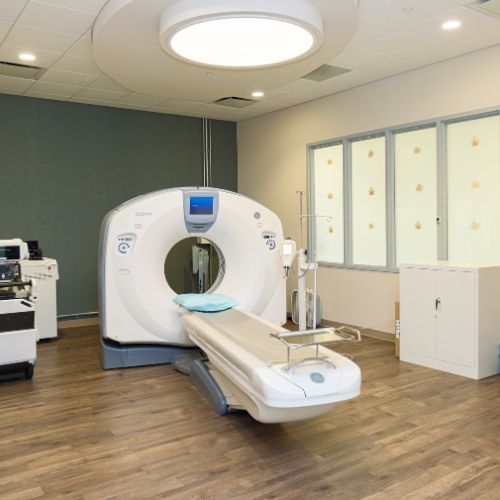
CT scanner in the imaging room at Montrose Emergency Room
CT scanner
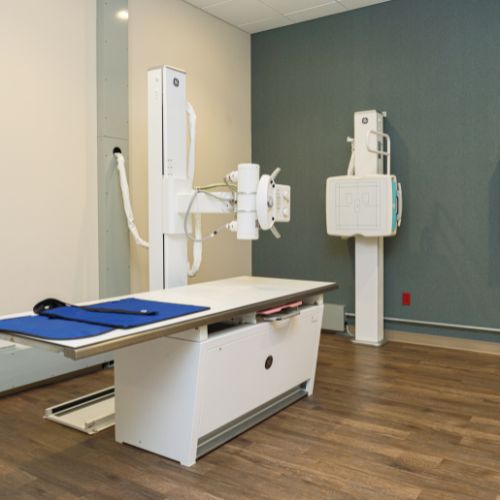
Digital X-ray room at Montrose Emergency Room in Houston
Digital X-ray
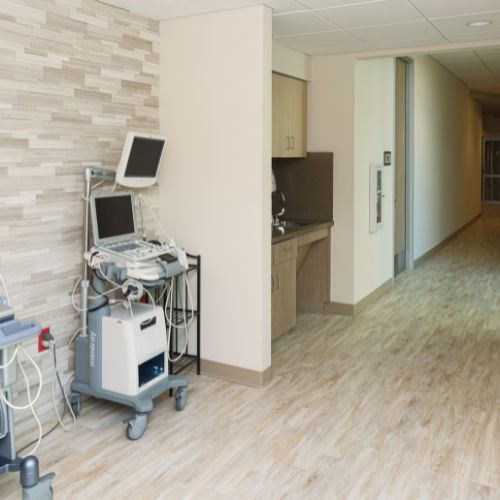
Ultrasound machine at Montrose Emergency Room
Ultrasound
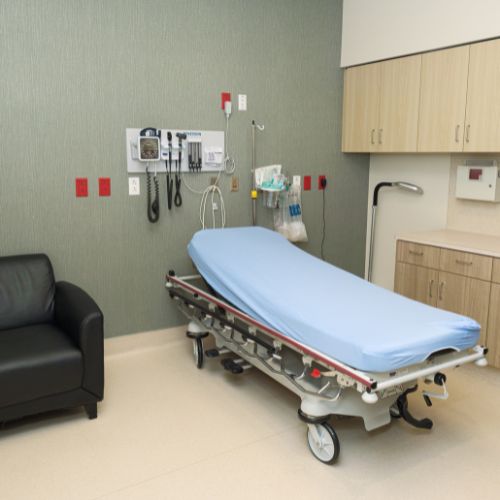
Private emergency treatment room at Montrose Emergency Room
Treatment room

Emergency Room vs. Urgent Care: Compare Your Options

This is a general guide. Urgent care centers vary in what they offer, so if you are planning to visit one, it’s worth checking its services first.

Comparison of emergency room and urgent care services
Situation or serviceEmergency room (Montrose ER)Typical urgent care
Minor illnesses (colds, mild flu)Can treat, but often not necessaryUsually a good fit
Mild sprainsCan evaluate and treatUsually a good fit
Basic laboratory testsOn-site labOften available
Digital X-raysOn siteAvailable at many centers
CT scansOn site when medically necessaryUncommon
UltrasoundOn site when medically necessaryUncommon; varies by center
EKGAvailableAvailable at many centers
Severe abdominal painAppropriate for evaluationMay need to send you to an ER
Suspected heart attackCall 911Not appropriate — call 911
Stroke symptomsCall 911Not appropriate — call 911
Serious breathing difficultyAppropriate; call 911 if severeNot appropriate
Emergency monitoring (IV fluids, observation)AvailableLimited
Hours24/7, every day of the yearUsually set daytime and evening hours
CostGenerally higherGenerally lower

Emergency department care generally costs more than urgent care. The appropriate choice depends on the seriousness of the patient’s symptoms. Read about our facility fees and insurance information.

7 Situations Where Emergency Evaluation May Be Important

None of these lists is complete, and no web page can diagnose you. They describe situations where the extra resources of an emergency room are more likely to matter.

  1. Severe or Unexplained Abdominal Pain

    Pain that is intense, comes on suddenly, settles in one spot (often the lower right side), or comes with fever, repeated vomiting, a rigid belly or blood in the stool or urine. Causes range from kidney stones and gallbladder attacks to appendicitis. Evaluation may involve lab work, ultrasound or a CT scan, which many urgent care clinics can’t provide — so they may need to send you elsewhere.

    Related: abdominal pain treatment · urgent care vs. ER for abdominal pain

  2. Chest Pain or Pressure

    Pressure, squeezing or tightness in the chest, especially with shortness of breath, sweating, nausea, or pain spreading to the arm, jaw or back. It may turn out to be reflux, but chest pain needs an EKG and often blood tests to look for a heart problem. If you think you may be having a heart attack, call 911 rather than driving.

    Related: chest pain emergency care

  3. Sudden Severe Dizziness or Fainting

    Fainting, a spinning sensation that won’t stop, or dizziness with chest pain, a racing heartbeat, confusion or trouble walking. Testing may include an EKG and lab work to check heart rhythm, blood sugar and dehydration. If dizziness comes with face drooping, arm weakness or slurred speech, call 911.

    Related: urgent care vs. ER for dizziness

  4. Severe or Unusual Headache

    A sudden headache that reaches full intensity within seconds, the worst headache of your life, or a headache with fever and stiff neck, vision changes, confusion or weakness. These features call for prompt evaluation, which may include a CT scan. A typical migraine you’ve had before is usually less concerning.

    Related: severe headaches and migraines

  5. Serious Injuries or Complicated Fractures

    A visibly deformed limb, bone through the skin, a head injury with confusion or vomiting, a deep wound that won’t stop bleeding, or an injury from a car accident or significant fall. Imaging such as X-ray or CT may be needed, along with pain control and stabilization. A simple sprain is often fine for urgent care.

    Related: broken bones · auto accident injuries

  6. Persistent Vomiting or Severe Dehydration

    Vomiting that won’t let you keep fluids down, very little urine, dizziness when standing, confusion, or vomiting blood. Lab tests can measure dehydration and electrolyte levels, and IV fluids and anti-nausea medication can be given and monitored.

    Related: vomiting and nausea · dehydration

  7. Severe or Rapidly Worsening Illness

    High fever with confusion, a fast heartbeat or difficulty breathing; an infection that is spreading quickly; or feeling far sicker than a few hours ago. These can be signs of a serious infection such as sepsis, which benefits from prompt lab testing and treatment.

    Related: infection and sepsis · breathing difficulties

When Is Urgent Care the Better Choice?

For many health problems, urgent care is the right call. It is usually faster and less expensive than an emergency room for minor issues, and it keeps emergency resources available for people who need them. Urgent care is often appropriate for:

  • Mild cold or flu symptoms
  • An uncomplicated sore throat
  • Minor cuts that may need a few stitches
  • Mild sprains and strains
  • Simple rashes
  • Ear infections
  • Urinary symptoms without fever or back pain
  • Other non-emergency illnesses

Your primary care doctor is another good option for problems that can wait a day or two. If you start at urgent care and the staff feel you need more, they will tell you.

Why Having Diagnostic Resources Onsite Can Matter

Here is a hypothetical example of how this plays out.

A woman develops sharp pain in her lower abdomen that keeps getting worse through the evening. She has a mild fever and has thrown up twice. She has no idea what is causing it.

A clinician examines her and is concerned about appendicitis, an ovarian problem or a kidney stone. Sorting those out often requires blood work and imaging, such as an ultrasound or CT scan. A clinic without those resources may need to refer or transfer her, which adds another trip and more waiting.

At an emergency room with appropriate on-site resources, the physician can order the indicated tests, start IV fluids and pain medication, and get results during the same visit. If she needs surgery or admission to a hospital, she would still be transferred — a freestanding ER doesn’t replace a hospital — but she would arrive with a working diagnosis and treatment already under way.

The important question isn’t simply which medical facility is closest. It’s also which level of care is appropriate for your symptoms.

24/7 Emergency Care in Montrose and Central Houston

Montrose Emergency Room is a freestanding emergency room at 1110 W Gray St #101, Houston, TX 77019. It is a short drive for patients in Montrose and nearby neighborhoods, including River Oaks, Midtown, Downtown Houston, Upper Kirby and the Museum District.

  • Open 24 hours a day, 7 days a week, including holidays
  • Emergency physician on site at all times
  • On-site CT, digital X-ray and ultrasound
  • On-site laboratory testing and EKG
  • Emergency evaluation and treatment for adults and children
  • Walk-ins welcome; no appointment needed

If your symptoms may require emergency evaluation, Montrose Emergency Room is available 24 hours a day.

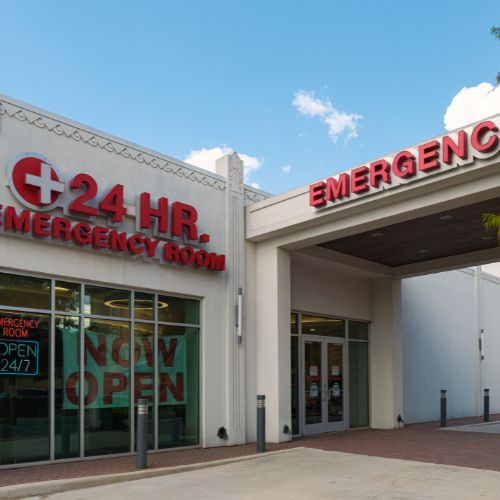
Entrance of Montrose Emergency Room on West Gray Street in Houston

When Should You Call 911 Instead of Driving?

Call 911 if you or someone with you has any of the following. Paramedics can begin treatment on the way and alert the receiving facility. Please don’t drive yourself.

  • Suspected heart attack
  • Stroke symptoms: face drooping, arm weakness, slurred speech
  • Severe difficulty breathing
  • Loss of consciousness
  • Severe, uncontrolled bleeding
  • Major trauma, such as a serious car crash or fall
  • Any other emergency that may be life-threatening

Learn the signs of stroke.

Frequently Asked Questions About Emergency Rooms and Urgent Care

Should I go to the ER if I don’t know what’s wrong with me?

Not knowing the cause isn’t a reason by itself to go to the ER. Go to an emergency room if your symptoms are severe, came on suddenly, are getting worse, or include warning signs such as chest pain, trouble breathing, fainting, confusion or severe pain. For mild symptoms, urgent care or your doctor is usually appropriate. If symptoms could be life-threatening, call 911.

Can an emergency room perform more tests than urgent care?

Generally, yes. Many urgent care centers offer X-rays, basic lab tests and EKGs. Emergency rooms usually add CT scans, ultrasound, broader lab testing, IV treatment and monitoring. Montrose Emergency Room has CT, X-ray, ultrasound, EKG and lab testing on site. Tests are ordered only when they are medically necessary.

Can urgent care perform CT scans?

Most urgent care centers do not have CT scanners, although a few do. If a CT scan is needed, an urgent care center may refer you to an imaging center or an emergency room. Montrose Emergency Room has CT imaging on site.

Should I go to the ER for unexplained stomach pain?

Go to the ER if the pain is severe, sudden, focused in one area, or comes with fever, repeated vomiting, a hard belly, blood in your stool or vomit, or fainting. Mild cramping or indigestion that is improving can usually be checked at urgent care or by your doctor.

Is an emergency room always better than urgent care?

No. For minor illnesses and injuries, urgent care is often faster, more convenient and less expensive. An emergency room is the better choice when symptoms may be serious and you may need advanced testing, IV treatment or monitoring.

Is Montrose Emergency Room open 24 hours?

Yes. Montrose Emergency Room at 1110 W Gray St #101, Houston, TX 77019 is open 24 hours a day, every day of the year, including holidays. No appointment is needed. You can call us at (832) 487-0911.

Does emergency room care cost more than urgent care?

Usually, yes. Emergency rooms are staffed and equipped for serious conditions around the clock, and visits typically include an emergency facility fee. As a freestanding emergency room, Montrose ER bills at emergency-care rates. Your cost depends on your insurance and the care you receive. See our facility fee information and insurance page.

When Your Symptoms May Be Serious, Know Where to Go

You don’t have to know your diagnosis before seeking medical attention.

When symptoms suggest a serious or potentially dangerous condition, having access to emergency physicians, appropriate diagnostic testing and emergency treatment can make an important difference.

Montrose Emergency Room provides emergency medical evaluation and treatment 24 hours a day in central Houston.

Montrose Emergency Room
1110 W Gray St #101, Houston, TX 77019
(832) 487-0911 · Open 24/7

If symptoms may be life-threatening, call 911. Do not drive yourself.

This page is general information, not medical advice, and it can’t replace an evaluation by a clinician. If you are unsure whether your symptoms are an emergency, err on the side of getting checked.