A mini stroke can be one of the most important warning signs your body ever gives you. The symptoms often appear suddenly, feel frightening, and may disappear within minutes or hours. Because the symptoms go away, many people mistakenly assume the problem has resolved. Unfortunately, that assumption can be dangerous.
Medical professionals refer to a mini stroke as a transient ischemic attack, or TIA. Although the symptoms are temporary, a TIA is often a warning that a full stroke may occur in the near future. In fact, many strokes are preceded by a mini stroke that was ignored, misinterpreted, or never medically evaluated.
If you’ve ever wondered, “What does a mini stroke feel like?” the answer varies from person to person. Some people experience sudden weakness in an arm or leg. Others notice facial drooping, difficulty speaking, confusion, vision changes, dizziness, or loss of balance. The key feature is that symptoms usually begin suddenly and often resemble a stroke.
Understanding mini stroke symptoms can help you recognize a potentially life-threatening situation and seek emergency care before permanent brain damage occurs.
Table of Contents
- What Is a Mini Stroke?
- What Does a Mini Stroke Feel Like?
- Common TIA Symptoms
- How Long Does a Mini Stroke Last?
- Mini Stroke vs Stroke
- Warning Signs You Should Never Ignore
- What Causes a Mini Stroke?
- Who Is at Risk?
- Important Note
- How Doctors Diagnose a Mini Stroke
- Treatment After a TIA
- Can a Full Stroke Be Prevented?
- When to Go to the ER in Houston
- Frequently Asked Questions
Important Note
A mini stroke should never be ignored, even if symptoms disappear completely. Temporary symptoms can indicate that blood flow to part of the brain was interrupted. Quick medical evaluation may help identify the cause and reduce the risk of a future stroke that could result in permanent disability or death.
What Is a Mini Stroke?
A mini stroke, medically known as a transient ischemic attack (TIA), occurs when blood flow to part of the brain is temporarily reduced or blocked.
The brain depends on a constant supply of oxygen-rich blood to function properly. When that blood flow becomes disrupted, even briefly, neurological symptoms can appear suddenly.
Unlike a major stroke, a TIA does not usually cause permanent brain damage because blood flow returns before significant injury occurs. However, this does not make a mini stroke harmless.
Healthcare providers often view a TIA as a warning event. It signals that something has interfered with circulation to the brain and that a more serious stroke may occur if the underlying problem is not addressed.
Many patients are surprised to learn that symptoms lasting only a few minutes can still represent a serious neurological emergency.
What Does a Mini Stroke Feel Like?
The symptoms of a mini stroke often appear suddenly and without warning.
One moment a person may feel completely normal. The next moment they may notice weakness, numbness, confusion, speech difficulties, or problems with balance.
Many people describe a mini stroke as feeling strange, disorienting, and frightening. Some individuals notice that one side of their body suddenly feels weak. Others experience difficulty speaking or understanding what others are saying.
For some patients, the first symptom is a sudden loss of coordination. Walking may become difficult, and maintaining balance may feel impossible.
Others report that their face suddenly feels numb or that they are unable to smile normally.
Common descriptions include:
- “My arm suddenly felt weak.”
- “I couldn’t get my words out.”
- “I knew what I wanted to say, but I couldn’t say it.”
- “I felt dizzy and couldn’t keep my balance.”
- “Part of my face felt strange.”
- “My vision suddenly became blurry.”
- “I felt confused for no reason.”
What makes TIAs particularly dangerous is that symptoms often improve quickly. This can create a false sense of security and lead people to delay seeking medical care.
Even if symptoms last only a few minutes, emergency evaluation is still essential.
Patients experiencing sudden neurological changes should seek immediate evaluation for potential stroke symptoms because early intervention can significantly affect outcomes.

Common TIA Symptoms
The symptoms of a transient ischemic attack are very similar to those of a stroke.
Because the brain controls movement, sensation, speech, vision, memory, and coordination, symptoms can vary depending on which area of the brain is affected.
Common mini stroke symptoms include:
- Sudden numbness in the face, arm, or leg
- Weakness on one side of the body
- Facial drooping
- Difficulty speaking
- Slurred speech
- Confusion
- Difficulty understanding language
- Blurred vision
- Double vision
- Temporary vision loss
- Dizziness
- Loss of balance
- Difficulty walking
- Sudden severe headache
Symptoms often affect only one side of the body because the interruption of blood flow usually occurs in a specific area of the brain.
Many patients experience multiple symptoms simultaneously.
For example, a person may develop arm weakness, slurred speech, and facial drooping all at the same time.
Even if symptoms disappear before arriving at a medical facility, the event should still be treated seriously.
How Long Does a Mini Stroke Last?
One of the defining characteristics of a transient ischemic attack is that symptoms are temporary.
Most TIAs last only a few minutes, although some can continue for up to several hours.
By definition, symptoms typically resolve within 24 hours. However, most patients experience improvement much sooner.
The temporary nature of symptoms is exactly what makes TIAs dangerous. Many people decide not to seek care because they feel normal again.
Unfortunately, the underlying cause may still be present.
A blood clot, narrowed artery, heart condition, or circulation problem that triggered the mini stroke can remain untreated and increase the risk of a future stroke.
Medical evaluation remains important even when symptoms have completely disappeared.
Mini Stroke vs Stroke
A mini stroke and a full stroke share many of the same symptoms, but there is one major difference.
In a TIA, blood flow returns before permanent damage occurs.
In a stroke, the interruption of blood flow lasts long enough to cause injury to brain tissue.
Because symptoms can appear identical, it is nearly impossible for most people to determine whether they are experiencing a TIA or a stroke.
This is why every sudden neurological symptom should be treated as an emergency.
Only medical evaluation and diagnostic testing can determine exactly what happened.
Waiting to see whether symptoms improve can be extremely risky because stroke treatments are often most effective when administered quickly.
Warning Signs You Should Never Ignore
Any sudden neurological symptom deserves immediate attention.
The most concerning warning signs include:
- Facial drooping
- Arm weakness
- Speech difficulties
- Sudden confusion
- Vision loss
- Loss of balance
- Severe dizziness
- Difficulty walking
- Sudden numbness
- Severe headache
A helpful way to remember several common stroke warning signs is the FAST acronym:
- F – Face drooping
- A – Arm weakness
- S – Speech difficulty
- T – Time to seek emergency care
If any of these symptoms appear, immediate medical evaluation is essential.
Patients who experience dizziness, imbalance, or sudden neurological symptoms may also notice overlap with other serious emergency conditions. Evaluation for severe headaches and neurological symptoms may be necessary when symptoms are significant.
What Causes a Mini Stroke?
A transient ischemic attack occurs when blood flow to the brain is temporarily interrupted.
The most common cause is a small blood clot that briefly blocks circulation before dissolving or moving away.
Other causes may include narrowed arteries, cholesterol plaque buildup, heart rhythm abnormalities, blood vessel disorders, or circulation problems.
Certain heart conditions can allow blood clots to form and travel to the brain, increasing the risk of both TIAs and strokes.
In some cases, the underlying cause may not be immediately obvious, which is why thorough medical evaluation is so important.
Who Is at Risk?
Although anyone can experience a mini stroke, certain factors increase the likelihood.
Risk factors include:
- High blood pressure
- Diabetes
- High cholesterol
- Smoking
- Heart disease
- Atrial fibrillation
- Obesity
- Physical inactivity
- Family history of stroke
- Advanced age
Individuals with multiple risk factors face a higher risk of both TIA and future stroke.
Identifying and managing these risk factors is one of the most effective ways to reduce long-term stroke risk.
Important Note
Many people feel relieved when mini stroke symptoms disappear, but symptom resolution does not mean the danger has passed. A transient ischemic attack is often the body’s warning that a more serious stroke could occur in the coming hours, days, or weeks. Prompt evaluation helps doctors identify risk factors, determine the cause, and create a treatment plan that may significantly reduce the chance of permanent neurological damage in the future.

How Doctors Diagnose a Mini Stroke
Diagnosing a transient ischemic attack can be challenging because symptoms often disappear before the patient reaches the emergency room. Even so, doctors can often identify clues that help determine whether a TIA occurred and what may have caused it.
The evaluation usually begins with a detailed discussion of the symptoms. Physicians often ask questions such as:
- What symptoms occurred?
- How suddenly did they begin?
- How long did they last?
- Did symptoms affect one side of the body?
- Were there speech or vision changes?
- Have similar episodes happened before?
A neurological examination is typically performed to evaluate strength, sensation, coordination, reflexes, speech, and cognitive function.
Even if symptoms have resolved, diagnostic testing remains important because the cause of the event may still be present.
Common tests include:
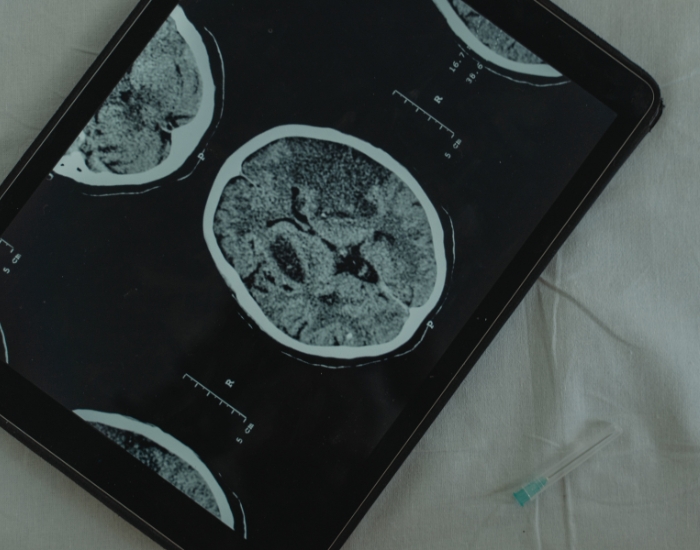
- CT scans of the brain
- MRI imaging
- Blood tests
- Electrocardiograms (EKGs)
- Heart monitoring
- Ultrasound studies of neck arteries
- Blood pressure assessment
- Cholesterol testing
Advanced imaging allows physicians to evaluate blood vessels, identify blockages, and look for evidence of previous strokes that may have occurred without obvious symptoms.
Because many stroke risk factors involve the cardiovascular system, cardiac testing often plays an important role during evaluation.
Treatment After a TIA
The primary goal of treatment after a mini stroke is preventing a future stroke.
Although TIA symptoms may disappear, the underlying problem that caused the event often remains. Treatment focuses on reducing the risk of another interruption in blood flow to the brain.
The specific treatment plan depends on the cause of the TIA and the patient’s overall health.
Common treatment strategies may include:
- Blood-thinning medications
- Antiplatelet therapy
- Blood pressure management
- Cholesterol-lowering medications
- Diabetes control
- Smoking cessation
- Weight management
- Lifestyle modifications
If a significant blockage is discovered in one of the arteries supplying blood to the brain, additional procedures may be recommended to restore healthy blood flow.
Some patients also require treatment for underlying heart conditions that increase the risk of blood clot formation.
The exact treatment approach varies from person to person, which is why individualized medical evaluation is essential.
What Happens If a Mini Stroke Is Ignored?
Ignoring a transient ischemic attack can have serious consequences.
A TIA is often considered a warning stroke because it indicates that blood flow to the brain has already been disrupted at least once.
Without treatment, the same underlying problem may cause a larger blockage in the future, resulting in a full stroke.
A major stroke can lead to:
- Permanent paralysis
- Speech impairment
- Memory problems
- Difficulty swallowing
- Loss of independence
- Permanent disability
- Death
Research has consistently shown that stroke risk is highest shortly after a TIA occurs. This is one reason emergency evaluation is strongly recommended, even when symptoms have resolved completely.
The sooner risk factors are identified and treated, the greater the opportunity to prevent future neurological injury.
Can a Mini Stroke Cause Dizziness?
Yes. Dizziness is a common symptom of some transient ischemic attacks, particularly those involving areas of the brain responsible for balance and coordination.
Unlike dizziness caused by dehydration or inner ear disorders, TIA-related dizziness often appears suddenly and may be accompanied by other neurological symptoms.
Warning signs that dizziness may be related to a neurological emergency include:
- Difficulty walking
- Loss of balance
- Double vision
- Facial numbness
- Speech difficulties
- Arm or leg weakness
- Confusion
Patients who experience sudden dizziness together with neurological symptoms should seek immediate medical attention.
Individuals experiencing severe dizziness may also benefit from evaluation of other potential emergency causes. Learn more about symptoms that may require urgent assessment through our guide to common ER symptoms.
Can a Mini Stroke Cause Headaches?
Although headaches are not present in every TIA, some patients do experience sudden head pain during or around the time of the event.
Headaches associated with neurological emergencies are often described as unusual, severe, or different from a person’s typical headaches.
If a headache occurs together with weakness, confusion, speech changes, dizziness, or vision problems, emergency evaluation is strongly recommended.
Because headaches can occur with stroke, brain bleeding, and other serious neurological conditions, physicians often perform imaging studies to determine the underlying cause.
Patients experiencing severe or unusual headaches should consider emergency evaluation for headaches and migraines or more urgent assessment for severe headache emergencies when symptoms are significant.
Mini Stroke Symptoms Require Immediate Medical Attention
Sudden weakness, facial drooping, speech difficulty, confusion, vision changes, dizziness, or balance problems may indicate a transient ischemic attack or stroke. Even if symptoms improve, emergency evaluation is critical because a future stroke may still occur.
Montrose Emergency Room provides 24/7 emergency care with advanced imaging, neurological evaluation, laboratory testing, and rapid diagnosis when every minute matters.
If you suspect a mini stroke, don’t wait for symptoms to return. Seek immediate emergency care.
Can a Full Stroke Be Prevented?
In many cases, yes.
One of the most important reasons to seek medical care after a TIA is that physicians can often identify risk factors and intervene before a major stroke occurs.
Stroke prevention strategies frequently focus on:
- Controlling blood pressure
- Managing diabetes
- Lowering cholesterol
- Stopping smoking
- Increasing physical activity
- Maintaining a healthy weight
- Treating heart rhythm disorders
- Taking prescribed medications consistently
For many patients, these interventions significantly reduce future stroke risk.
Prevention is particularly important because stroke remains one of the leading causes of long-term disability worldwide.
When to Go to the ER in Houston
Any suspected mini stroke should be treated as a medical emergency.
Many people hesitate to visit the emergency room because symptoms improve quickly. However, the temporary nature of symptoms does not eliminate the risk.
If you experience sudden facial drooping, arm weakness, speech difficulties, confusion, vision changes, dizziness, loss of balance, or numbness, immediate evaluation is recommended.
At Montrose Emergency Room, patients receive rapid neurological assessment using advanced diagnostic tools, including CT imaging, laboratory testing, cardiac evaluation, and comprehensive emergency care.
Because it can be difficult to distinguish a TIA from a stroke without medical testing, prompt evaluation is critical.
Patients seeking immediate care can access 24-hour emergency medical care in Houston and evaluation at a 24-hour emergency room when neurological symptoms appear suddenly.
Fast diagnosis may help identify underlying causes and reduce the risk of future stroke-related complications.
Frequently Asked Questions
What are the most common mini stroke symptoms?
Common TIA symptoms include facial drooping, arm weakness, numbness, speech difficulties, confusion, dizziness, vision changes, loss of balance, and sudden difficulty walking.
How does a mini stroke feel?
Many people describe a mini stroke as a sudden onset of weakness, numbness, confusion, speech problems, dizziness, or vision changes. Symptoms typically appear without warning and may resolve within minutes or hours.
Can mini stroke symptoms go away completely?
Yes. By definition, symptoms of a transient ischemic attack are temporary. However, even when symptoms disappear, emergency evaluation remains important because future stroke risk may still be elevated.
How long do TIA symptoms usually last?
Most TIA symptoms last a few minutes to a few hours. Symptoms generally resolve within 24 hours, although medical evaluation should occur immediately regardless of symptom duration.
Can a mini stroke happen while sleeping?
Yes. Some people wake up with symptoms such as weakness, numbness, confusion, or speech difficulties that may indicate a TIA or stroke.
Should I go to the ER if mini stroke symptoms disappear?
Absolutely. A transient ischemic attack is a medical emergency even if symptoms resolve completely. Early evaluation can help identify the cause and reduce the risk of a future stroke.
Medical Disclaimer
This article is intended for educational purposes only and should not be used as a substitute for professional medical advice, diagnosis, or treatment. A transient ischemic attack (TIA) or stroke requires immediate medical evaluation. If you experience sudden weakness, facial drooping, speech difficulties, confusion, vision changes, dizziness, or other neurological symptoms, seek emergency medical care immediately.