A sudden sharp pain under the left breast can be alarming. Many people immediately worry about a heart attack, while others wonder whether the pain is coming from the stomach, ribs, muscles, or lungs. The truth is that pain in this area can have many different causes, ranging from mild conditions that improve on their own to serious medical emergencies that require immediate treatment.
The area beneath the left breast contains numerous structures, including muscles, ribs, nerves, part of the stomach, portions of the large intestine, the spleen, the left lung, and most importantly, the heart. Because so many organs and tissues are located close together, it can sometimes be difficult to identify exactly where the pain is coming from.
If you’ve been asking yourself, “Why am I experiencing pain under my left breast?” or “What causes sharp pain under the left breast?”, understanding the possible explanations can help you recognize when symptoms may require medical attention.
Some causes are relatively harmless, such as muscle strain or trapped gas. Others, including heart disease, lung conditions, or certain abdominal emergencies, can become life-threatening if ignored.
This guide explains the most common causes of pain under the left breast, what symptoms may accompany the pain, and when emergency care may be necessary.
Table of Contents
- Understanding Pain Under the Left Breast
- Common Causes of Sharp Pain Under the Left Breast
- Muscle and Chest Wall Injuries
- Costochondritis and Rib Inflammation
- Digestive Causes of Left-Sided Pain
- Can Gas Cause Pain Under the Left Breast?
- Heart-Related Causes
- Lung Conditions That Cause Chest Pain
- Can the Spleen Cause Pain Under the Left Breast?
- Symptoms You Should Never Ignore
- Important Note
- How Doctors Diagnose the Cause
- Treatment Options
- Prevention Tips
- When to Go to the ER in Houston
- Frequently Asked Questions
Important Note
Sharp pain under the left breast is often caused by non-life-threatening conditions such as muscle strain, digestive issues, or inflammation of the chest wall. However, because the heart and lungs are located nearby, certain symptoms should never be ignored. Understanding the warning signs can help you determine when prompt medical evaluation is necessary.
Understanding Pain Under the Left Breast
Not all chest pain feels the same.
Some people experience a stabbing sensation that lasts only a few seconds. Others notice aching discomfort, pressure, burning, tightness, or recurring sharp pains that come and go throughout the day.
The character of the pain often provides clues about its source.
For example, pain that worsens when taking a deep breath may point toward the lungs, chest wall, or ribs. Pain that appears after eating may suggest a digestive cause. Pain accompanied by shortness of breath or sweating may raise concern for a cardiac condition.
Although the symptoms can sometimes overlap, evaluating the location, timing, severity, and associated symptoms helps narrow the possibilities.
Common Causes of Sharp Pain Under the Left Breast
Several different body systems can contribute to pain in this area.
Common causes include:
- Muscle strain
- Costochondritis
- Rib injuries
- Acid reflux
- Gas and bloating
- Gastritis
- Peptic ulcers
- Heart disease
- Heart attack
- Pericarditis
- Pneumonia
- Pleurisy
- Pulmonary embolism
- Spleen disorders
- Nerve irritation
Because some causes are minor while others are potentially life-threatening, symptoms should always be considered within the context of the entire clinical picture.
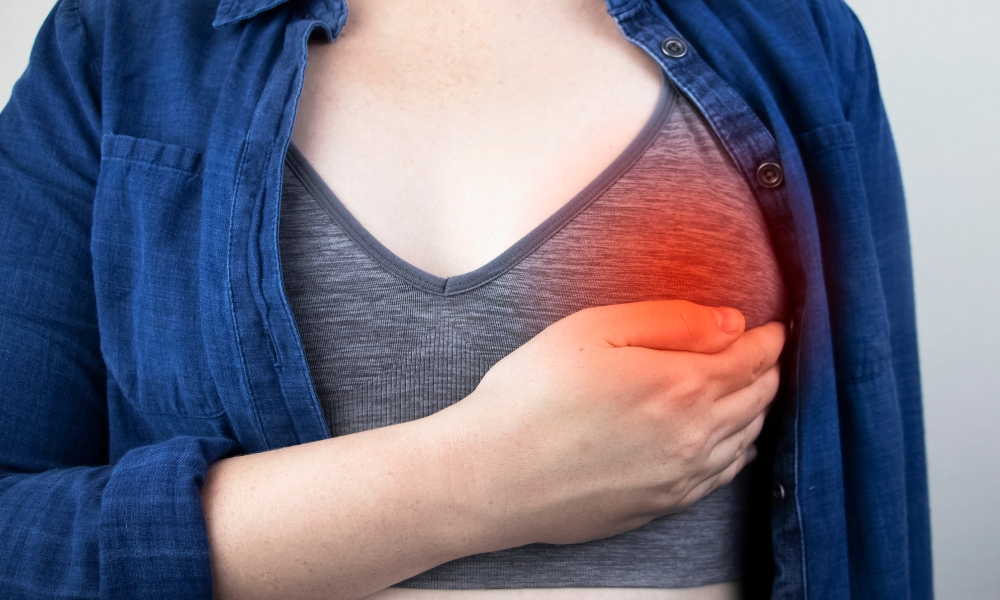
Muscle and Chest Wall Injuries
One of the most common explanations for sharp pain under the left breast is a musculoskeletal injury.
The muscles of the chest, shoulders, and upper abdomen work together during movement, lifting, exercise, coughing, and even breathing.
Overstretching or overusing these muscles can lead to irritation and pain.
Muscle-related pain may develop after:
- Heavy lifting
- Exercise
- Sports activities
- Repeated twisting movements
- Persistent coughing
- Physical labor
Patients often describe muscle pain as localized tenderness that worsens with movement, stretching, or pressure.
Unlike cardiac pain, muscle-related discomfort can frequently be reproduced by touching the affected area.
The pain may improve with rest and worsen when using the affected muscles.
Costochondritis and Rib Inflammation
Another common cause of sharp pain under the left breast is costochondritis.
Costochondritis occurs when the cartilage connecting the ribs to the breastbone becomes inflamed.
This inflammation can produce surprisingly sharp pain that many people mistake for a heart problem.
Symptoms often include:
- Sharp chest pain
- Tenderness along the ribs
- Pain that worsens with deep breaths
- Pain when coughing
- Discomfort during movement
The condition may develop after respiratory infections, excessive coughing, physical activity, or sometimes without a clearly identifiable cause.
Although costochondritis is usually not dangerous, medical evaluation may still be necessary to exclude more serious conditions.
Digestive Causes of Pain Under the Left Breast
The stomach and portions of the digestive tract sit just below the left side of the chest.
As a result, digestive disorders can sometimes create discomfort that feels like it originates beneath the breast.
Common digestive causes include:
- Acid reflux
- GERD
- Gastritis
- Peptic ulcers
- Indigestion
- Stomach irritation
Digestive-related pain may be accompanied by:
- Heartburn
- Bloating
- Nausea
- Burping
- Upper abdominal discomfort
- A burning sensation after meals
Many patients notice symptoms worsen after eating certain foods or when lying down shortly after meals.
Because digestive symptoms sometimes mimic heart-related chest pain, professional evaluation may be necessary when symptoms are severe or persistent.
Can Gas Cause Pain Under the Left Breast?
Yes. Gas trapped within the digestive tract can occasionally cause surprisingly sharp discomfort.
When gas accumulates in the upper portions of the colon near the left side of the abdomen, pressure may create pain that radiates upward beneath the breast or lower chest.
Patients often describe:
- Sharp stabbing sensations
- Cramping pain
- Pressure
- Bloating
- Temporary discomfort that comes and goes
The pain may improve after passing gas or having a bowel movement.
Although gas is a common and generally harmless cause, persistent pain should not automatically be attributed to digestive issues without appropriate evaluation.
Heart-Related Causes of Pain Under the Left Breast
Whenever left-sided chest pain occurs, heart-related conditions must be considered.
The heart is located slightly left of center within the chest, and certain cardiac conditions can cause pain that feels as though it is located under the left breast.
Potential cardiac causes include:
- Angina
- Coronary artery disease
- Heart attack
- Pericarditis
Heart-related pain is often described as:
- Pressure
- Tightness
- Squeezing
- Heaviness
- Burning discomfort
However, not everyone experiences classic symptoms.
Some individuals, especially women, older adults, and people with diabetes, may experience atypical symptoms that include:
- Sharp pain
- Shortness of breath
- Nausea
- Sweating
- Fatigue
- Pain in the arm, jaw, or back
Patients experiencing chest discomfort with these symptoms should seek immediate evaluation for potential chest pain emergencies.
Lung Conditions That Cause Chest Pain
The left lung occupies much of the upper left chest cavity.
Several lung conditions can create sharp pain beneath the left breast, particularly when breathing deeply.
Potential causes include:
- Pneumonia
- Pleurisy
- Pulmonary embolism
- Collapsed lung
- Respiratory infections
Pain associated with lung conditions often worsens during deep breathing, coughing, sneezing, or physical activity.
Other symptoms may include:
- Shortness of breath
- Cough
- Fever
- Wheezing
- Fatigue
Breathing difficulties accompanied by chest pain should never be ignored because some respiratory emergencies can progress rapidly.
Individuals experiencing these symptoms may require evaluation for breathing difficulties or other serious respiratory conditions.
Can the Spleen Cause Pain Under the Left Breast?
Yes. The spleen is located in the upper left portion of the abdomen, just beneath the rib cage.
Although spleen-related problems are less common than muscle or digestive causes, they can produce pain beneath the left breast.
Conditions affecting the spleen may include:
- Splenic enlargement
- Splenic injury
- Splenic rupture
- Certain infections
Spleen-related pain may worsen after trauma, falls, sports injuries, or abdominal injuries.
In severe cases, splenic injuries can cause internal bleeding and require emergency treatment.
Symptoms You Should Never Ignore
While many cases of pain under the left breast are relatively minor, some symptoms suggest a potentially serious medical condition.
Emergency evaluation is recommended if pain occurs alongside:
- Shortness of breath
- Chest pressure
- Pain spreading to the arm or jaw
- Sudden sweating
- Dizziness
- Fainting
- Rapid heartbeat
- Confusion
- Severe abdominal pain
- Coughing up blood
These symptoms may indicate a heart attack, pulmonary embolism, internal bleeding, or another medical emergency requiring immediate care.
Important Note
Sharp pain under the left breast can feel frightening, especially when it appears suddenly. While many cases are linked to muscle strain, inflammation, or digestive issues, symptoms involving the heart, lungs, or internal organs can sometimes feel surprisingly similar. Rather than trying to diagnose the cause based on pain alone, pay close attention to accompanying symptoms and seek medical evaluation when pain is severe, persistent, or associated with breathing difficulties, dizziness, or chest pressure.
How Doctors Diagnose the Cause of Pain Under the Left Breast
Because many different organs and body systems can produce pain beneath the left breast, diagnosing the cause requires a comprehensive evaluation.
Doctors begin by asking detailed questions about the pain itself. Understanding when the pain started, how long it lasts, what triggers it, and whether it radiates to other parts of the body helps narrow the list of possible causes.
Patients are often asked questions such as:
- Did the pain begin suddenly or gradually?
- Does breathing make it worse?
- Does eating affect the pain?
- Have you recently exercised or lifted something heavy?
- Are you experiencing shortness of breath?
- Do you have fever, nausea, or dizziness?
- Have you had any recent injuries?
A physical examination can provide additional clues. Physicians evaluate tenderness, breathing patterns, heart sounds, abdominal findings, and signs of injury or inflammation.
Depending on the symptoms, diagnostic testing may include:
- Electrocardiogram (EKG)
- Cardiac blood tests
- Chest X-rays
- CT scans
- Ultrasound imaging
- Laboratory testing
- Pulmonary evaluation
- Abdominal imaging studies
Rapid testing is particularly important when doctors suspect a heart attack, pulmonary embolism, internal bleeding, or another potentially life-threatening condition.
Can Anxiety Cause Pain Under the Left Breast?
Yes, anxiety can sometimes contribute to discomfort in this area.
Stress and anxiety often create physical symptoms that affect the chest, abdomen, and muscles. During periods of heightened anxiety, individuals may experience chest tightness, muscle tension, rapid breathing, and sensations that feel sharp or painful.
Some people report:
- Chest discomfort
- Sharp fleeting pains
- Tightness under the breast
- Rapid heartbeat
- Shortness of breath
- Muscle soreness
Although anxiety can cause real physical symptoms, serious medical conditions should always be excluded before attributing unexplained chest pain to stress alone.
This is especially true when symptoms are new, severe, or accompanied by other concerning signs.
Can Acid Reflux Cause Sharp Pain Under the Left Breast?
Absolutely.
Acid reflux is one of the most common non-cardiac causes of discomfort in the chest and upper abdomen.
When stomach acid flows backward into the esophagus, it can produce burning pain that is sometimes mistaken for a heart problem.
Symptoms may include:
- Burning chest discomfort
- Pain after meals
- Sour taste in the mouth
- Burping
- Upper abdominal pain
- Symptoms that worsen when lying down
Although reflux is usually not dangerous, severe chest pain should never automatically be assumed to be digestive in origin until cardiac causes have been excluded.
When Pain Under the Left Breast May Be an Emergency
One of the biggest challenges with chest pain is that serious medical conditions can sometimes present with symptoms that initially seem mild.
For example, some heart attacks begin with subtle discomfort rather than dramatic crushing chest pain.
Likewise, certain lung emergencies may initially cause only mild sharp pain during breathing.
Emergency evaluation becomes especially important when symptoms include:
- Chest pressure
- Shortness of breath
- Pain spreading to the arm, shoulder, jaw, or back
- Sudden sweating
- Nausea
- Dizziness
- Loss of consciousness
- Confusion
- Rapid heartbeat
- Severe weakness
These symptoms may indicate a cardiovascular emergency, respiratory emergency, or another serious condition that requires immediate treatment.
Individuals experiencing symptoms consistent with a potential heart-related emergency should seek medical attention without delay.

Treatment Options for Pain Under the Left Breast
Treatment depends entirely on the underlying cause.
Muscle strains often improve with rest, activity modification, and supportive care. Costochondritis may respond to anti-inflammatory treatment and avoidance of aggravating activities.
Digestive causes may require dietary changes, medications, or treatment of underlying gastrointestinal conditions.
Respiratory infections may need antibiotics, antiviral therapy, or supportive treatment depending on the diagnosis.
More serious conditions such as pulmonary embolism, internal bleeding, or heart attack require urgent emergency intervention.
This is why accurate diagnosis is critical. Similar symptoms can have vastly different causes and treatment requirements.
Self-diagnosis can delay appropriate care when serious medical conditions are present.
Prevention Tips
Although not every cause of pain under the left breast can be prevented, several lifestyle habits may reduce the risk of common triggers.
- Maintain good posture
- Avoid repetitive strain injuries
- Exercise regularly
- Manage stress levels
- Eat a balanced diet
- Avoid tobacco products
- Control blood pressure
- Manage cholesterol levels
- Maintain a healthy weight
- Seek treatment for chronic digestive conditions
Individuals with risk factors for heart disease should work closely with healthcare providers to reduce cardiovascular risk and monitor ongoing health conditions.
Preventive care often plays an important role in avoiding future emergencies.
Sharp Pain Under the Left Breast Should Never Be Ignored
While some causes of left-sided chest pain are relatively minor, others may involve the heart, lungs, digestive system, or internal organs and require immediate medical attention.
Montrose Emergency Room provides 24/7 emergency care with advanced diagnostics, cardiac testing, imaging services, and experienced emergency physicians available around the clock.
If you are experiencing severe chest pain, breathing difficulties, dizziness, or symptoms that concern you, seek emergency evaluation immediately.
When to Go to the ER in Houston
You should seek emergency medical care immediately if pain under the left breast is accompanied by symptoms suggesting a potentially serious medical condition.
Warning signs include:
- Difficulty breathing
- Chest pressure
- Pain spreading into the arm or jaw
- Fainting
- Sudden weakness
- Rapid heartbeat
- Persistent vomiting
- Severe abdominal pain
- Coughing up blood
- Unexplained sweating
At Montrose Emergency Room, patients have access to advanced diagnostic testing, laboratory services, CT imaging, EKG testing, and board-certified emergency physicians who can rapidly evaluate potentially serious symptoms.
Patients may require emergency evaluation for conditions involving breathing difficulties, abdominal pain, serious infections, or other emergency symptoms depending on the underlying cause.
Anyone searching for an ER near me open now or a trusted provider of 24-hour emergency care in Houston should not delay treatment when serious symptoms occur.
Frequently Asked Questions
What causes sharp pain under the left breast?
Common causes include muscle strain, costochondritis, acid reflux, gas, digestive disorders, lung conditions, spleen problems, and heart-related conditions. The cause depends on accompanying symptoms and clinical findings.
Can gas cause pain under the left breast?
Yes. Trapped gas can create pressure and sharp discomfort beneath the left breast or lower chest. However, persistent or severe pain should be medically evaluated.
Is pain under the left breast a sign of a heart attack?
It can be. While many cases are caused by non-cardiac conditions, heart attacks sometimes present with left-sided chest discomfort, pressure, or pain beneath the breast.
When should I worry about pain under my left breast?
You should seek immediate medical attention if pain occurs with shortness of breath, chest pressure, dizziness, fainting, sweating, nausea, or pain radiating to the arm, jaw, or back.
Can anxiety cause pain under the left breast?
Yes. Anxiety can contribute to chest tightness, muscle tension, and sharp sensations. However, potentially serious medical conditions should first be ruled out.
Should I go to the ER for sharp pain under my left breast?
If the pain is severe, sudden, persistent, or associated with breathing difficulties, chest pressure, dizziness, weakness, or other concerning symptoms, emergency evaluation is recommended.
Medical Disclaimer
This article is intended for educational purposes only and should not be considered medical advice. Pain under the left breast can result from a wide range of medical conditions, including serious emergencies. If you experience severe pain, difficulty breathing, chest pressure, dizziness, or any concerning symptoms, seek immediate medical care.