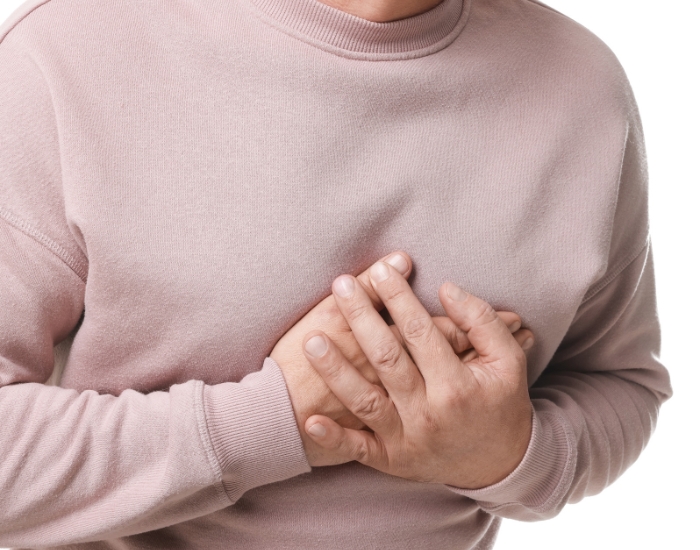
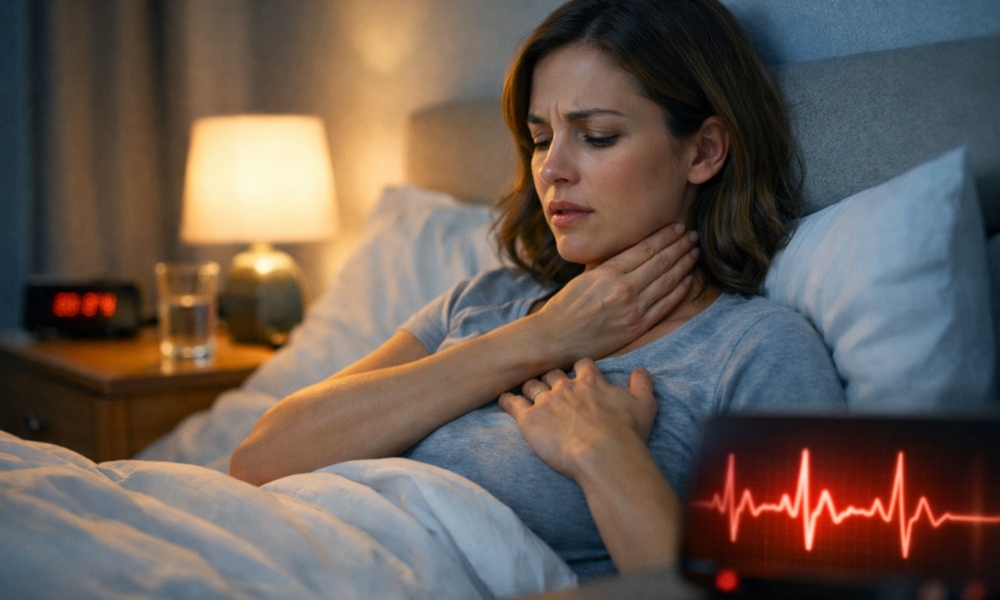
A fast heartbeat while you are resting can feel unsettling. Many people describe it as heart racing, fluttering, pounding in the chest, or feeling like their heart is “beating out of nowhere.” Sometimes it lasts only a few seconds. Other times it continues for minutes or even longer, making it hard to relax or sleep.
If you’ve ever wondered, “Why is my heart beating fast for no reason while I’m just sitting or lying down?”, you are experiencing what doctors often call palpitations or tachycardia. While many causes are harmless, some can signal an underlying heart or medical condition that needs attention.
A fast heart rate at rest can be triggered by stress, anxiety, caffeine, dehydration, fever, or lack of sleep. But it can also be linked to heart rhythm problems, thyroid disorders, anemia, or more serious cardiovascular issues.
Understanding what is normal and what is not can help you decide when heart racing while resting is something to monitor—and when it requires emergency care.
Table of Contents
- Normal vs Abnormal Fast Heart Rate
- Common Causes of Fast Heart Rate at Rest
- Stress, Anxiety & Panic Attacks
- Caffeine, Energy Drinks & Stimulants
- Dehydration and Fast Heart Rate
- Fever and Infection
- Heart Rhythm Problems (Arrhythmia)
- Dangerous Symptoms You Should Never Ignore
- Important Note
- How Doctors Evaluate Fast Heart Rate
- Treatment Options
- When to Go to the ER
- Frequently Asked Questions
Important Note
A fast heart rate while resting is often caused by temporary and harmless triggers like stress, caffeine, or dehydration. However, when heart racing happens frequently, without explanation, or with symptoms like chest pain, dizziness, or shortness of breath, it may indicate an underlying heart condition that requires medical evaluation.
Normal vs Abnormal Fast Heart Rate
A normal resting heart rate for most adults ranges between 60 and 100 beats per minute. However, this number can vary depending on fitness level, age, hydration, stress, and overall health.
When the heart consistently beats above 100 beats per minute at rest, it is generally referred to as tachycardia.
A fast heart rate is not always dangerous. For example, it is normal for your heart to beat faster during exercise, emotional stress, or illness. The concern arises when the heart races while you are resting and there is no clear reason.
In those situations, the body may be signaling an internal imbalance or an underlying medical condition.
Common Causes of Fast Heart Rate at Rest
There are many possible reasons your heart may suddenly start beating fast while you are sitting or lying down.
Common causes include:
- Stress and anxiety
- Caffeine or energy drinks
- Dehydration
- Fever or infection
- Lack of sleep
- Hormonal changes
- Low blood sugar
- Medications
- Anemia
- Thyroid problems
In many cases, the cause is temporary and improves once the trigger is removed or treated.
However, repeated episodes of heart racing while resting should not be ignored, especially if symptoms are new or worsening.
Stress, Anxiety & Panic Attacks
One of the most common causes of a fast heart rate at rest is stress or anxiety.
When you are anxious, your body releases stress hormones like adrenaline. These hormones prepare the body for a “fight or flight” response, increasing heart rate and breathing.
This can lead to symptoms such as:
- Heart racing
- Chest tightness
- Shortness of breath
- Shaking or trembling
- Sweating
- Dizziness
Panic attacks can feel very similar to heart-related emergencies, which is why many people go to the ER fearing a heart attack.
Even though anxiety is not dangerous in itself, it is important not to assume anxiety is the cause until other medical conditions have been ruled out.
Caffeine, Energy Drinks & Stimulants
Caffeine is a stimulant that directly affects the heart and nervous system.
Drinks such as coffee, tea, energy drinks, and some medications can increase heart rate and trigger palpitations, especially in sensitive individuals.
Common symptoms include:
- Fast heart rate
- Jittery feeling
- Tremors
- Anxiety-like symptoms
- Difficulty sleeping
Energy drinks can have even stronger effects due to high caffeine and stimulant content.
For some individuals, even small amounts of caffeine can trigger noticeable heart racing while resting.
Dehydration and Fast Heart Rate
When your body is dehydrated, blood volume decreases. To compensate, the heart beats faster to maintain blood flow and oxygen delivery.
This can lead to:
- Fast heart rate
- Dizziness
- Fatigue
- Dry mouth
- Lightheadedness
Dehydration is a common but often overlooked cause of heart racing, especially in hot weather or after illness.
However, persistent symptoms should still be evaluated to rule out other conditions.
Fever and Infection
When the body is fighting an infection, heart rate naturally increases.
Fever raises metabolism, which causes the heart to work harder to circulate blood.
Common infection-related causes include:
- Flu
- Respiratory infections
- Urinary tract infections
- Viral illnesses
Symptoms may include:
- Fast heart rate
- Chills
- Fatigue
- Body aches
- Fever
Once the infection resolves, the heart rate usually returns to normal.
Heart Rhythm Problems (Arrhythmia)
Sometimes a fast heart rate at rest is caused by an electrical problem in the heart.
These conditions are known as arrhythmias.
Arrhythmias can cause the heart to beat:
- Too fast
- Irregularly
- Or both
Examples include supraventricular tachycardia (SVT), atrial fibrillation, and other rhythm disorders.
Symptoms may include:
- Sudden heart racing
- Fluttering in the chest
- Weakness
- Shortness of breath
- Dizziness
Because arrhythmias can sometimes be serious, medical evaluation is important when symptoms occur frequently or without clear triggers.
Patients experiencing persistent fast heart rate symptoms may need urgent assessment to rule out cardiac causes.
Dangerous Symptoms You Should Never Ignore
A fast heart rate becomes more concerning when it occurs alongside other symptoms.
Seek emergency care if you experience:
- Chest pain or pressure
- Shortness of breath
- Fainting or near-fainting
- Severe dizziness
- Confusion
- Blue lips or skin
- Irregular heartbeat with weakness
These may indicate serious heart or circulation problems that require immediate treatment.
Important Note
Heart racing while resting can feel alarming, especially when it happens suddenly without an obvious reason. Many cases are harmless and related to stress, caffeine, or dehydration. However, when fast heart rate is persistent or comes with chest pain, fainting, or shortness of breath, it should be treated as a potential emergency and evaluated without delay.
How Doctors Evaluate a Fast Heart Rate
When you arrive at the emergency room with a fast heart rate while resting, doctors focus on one key question: is this harmless, or is the heart under stress from a serious condition?
The evaluation starts with a detailed history of your symptoms. Doctors will ask when the fast heart rate began, how long it lasts, whether it comes and goes, and what you were doing when it started.
They will also check for associated symptoms such as chest pain, dizziness, shortness of breath, fever, or anxiety-like sensations.
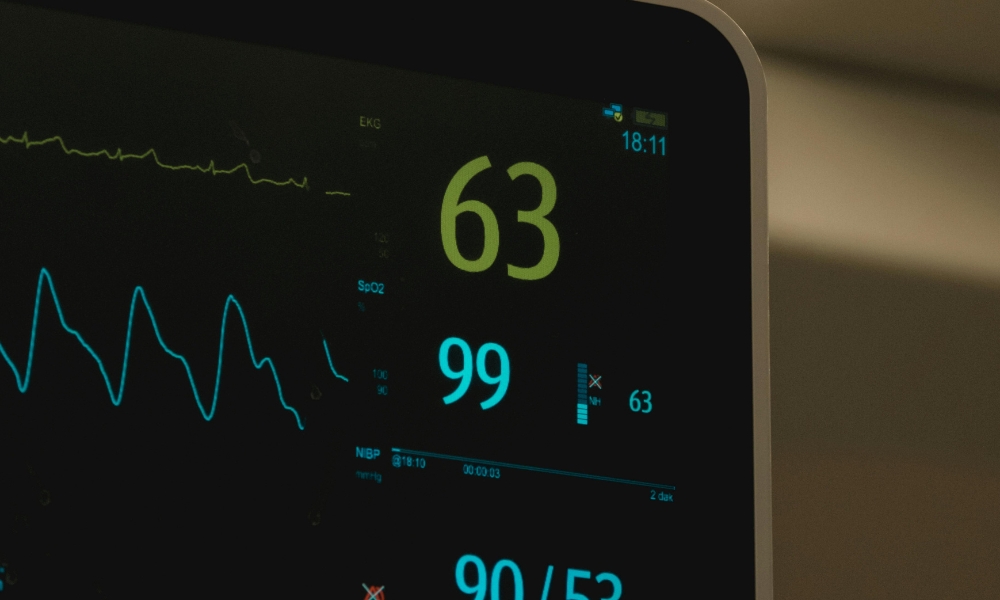
A physical examination is performed to assess your pulse, blood pressure, oxygen levels, and overall stability.
Common diagnostic tests include:
- Electrocardiogram (ECG/EKG)
- Blood tests to check electrolytes and thyroid function
- Complete blood count to check for anemia or infection
- Chest X-ray if respiratory causes are suspected
- Cardiac enzyme testing if heart damage is a concern
These tests help determine whether the fast heart rate is due to a temporary trigger or a more serious cardiac condition.
In emergency settings, identifying arrhythmias early is critical because some rhythm disturbances can worsen quickly without treatment.
Can Anxiety Cause Heart Racing While Resting?
Yes, anxiety is one of the most common causes of heart racing at rest.
During anxiety or panic attacks, the body releases adrenaline, which increases heart rate and breathing. This can feel very intense and may mimic a heart attack.
Common symptoms include:
- Rapid heartbeat
- Chest tightness
- Shortness of breath
- Shaking or trembling
- Feeling of impending doom
Although anxiety is not physically dangerous in most cases, it can be extremely uncomfortable and frightening.
However, it is important to first rule out heart-related or medical causes before attributing symptoms solely to anxiety.
Can Dehydration or Low Electrolytes Cause Fast Heart Rate?
Yes. When the body is dehydrated or has imbalanced electrolytes, the heart may beat faster to compensate for reduced circulation efficiency.
This can happen after:
- Not drinking enough fluids
- Excessive sweating
- Vomiting or diarrhea
- Heat exposure
Electrolyte imbalances such as low potassium or magnesium can also affect heart rhythm and cause palpitations.
In many cases, rehydration and correction of electrolyte levels improve symptoms. However, severe or persistent fast heart rate should still be medically evaluated.
Can Thyroid Problems Cause Heart Racing?
Yes. An overactive thyroid (hyperthyroidism) can significantly increase heart rate even when the body is at rest.
When thyroid hormone levels are too high, metabolism speeds up, causing the heart to work harder.
Symptoms may include:
- Fast resting heart rate
- Weight loss despite normal appetite
- Anxiety or irritability
- Heat intolerance
- Tremors
- Difficulty sleeping
Thyroid-related heart racing usually develops gradually but can become noticeable and persistent over time.
Treatment Options for Fast Heart Rate
Treatment depends on the underlying cause of the fast heart rate.
Treatment may include relaxation techniques, lifestyle changes, or medication in some cases, if stress or anxiety is the cause.
If dehydration is the cause, fluids and electrolyte replacement are typically effective.
If infection is present, treating the infection usually helps normalize heart rate.
For arrhythmias, treatment may include medications, heart rhythm monitoring, or in some cases specialized procedures to correct abnormal electrical activity.
When thyroid disease is involved, medications that regulate hormone levels may be required.
The key is identifying the root cause rather than just treating the symptom of a fast heart rate.
When Should I Go to the ER for a Fast Heart Rate?
You should seek emergency care immediately if your heart is racing at rest and you experience any of the following:
- Chest pain or pressure
- Severe shortness of breath
- Fainting or near-fainting
- Confusion or weakness
- Heart rate that stays very high for a prolonged period
- Irregular or skipping heartbeat with symptoms
These may indicate serious heart or circulation problems that require urgent evaluation.
At Montrose Emergency Room, patients receive rapid cardiac assessment using ECG monitoring, blood testing, and advanced diagnostic tools to quickly determine the cause of symptoms.
Patients experiencing fast heart rate symptoms, chest pain concerns, or related emergency conditions are evaluated immediately to rule out life-threatening causes.
Anyone searching for a 24-hour emergency room near me or experiencing unexplained heart racing while resting should not delay medical care if symptoms worsen or feel unusual.
Frequently Asked Questions
Why is my heart beating fast for no reason while resting?
This can be caused by stress, anxiety, dehydration, caffeine, fever, thyroid issues, anemia, or heart rhythm problems. Persistent symptoms should be evaluated medically.
Is a fast heart rate dangerous?
Not always. A fast heart rate can be harmless if temporary and triggered by stress or activity. It becomes concerning when it happens at rest with other symptoms like chest pain or dizziness.
Can anxiety cause heart racing?
Yes. Anxiety and panic attacks can significantly increase heart rate due to adrenaline release, even when resting.
When should I worry about heart racing?
You should worry if heart racing occurs with chest pain, fainting, shortness of breath, confusion, or irregular heartbeat.
Can dehydration cause fast heart rate?
Yes. Dehydration reduces blood volume, causing the heart to beat faster to maintain circulation.
Medical Disclaimer
This article is for educational purposes only and does not replace professional medical evaluation. A fast heart rate while resting can sometimes indicate a serious medical condition. If you experience concerning symptoms, seek immediate emergency care.