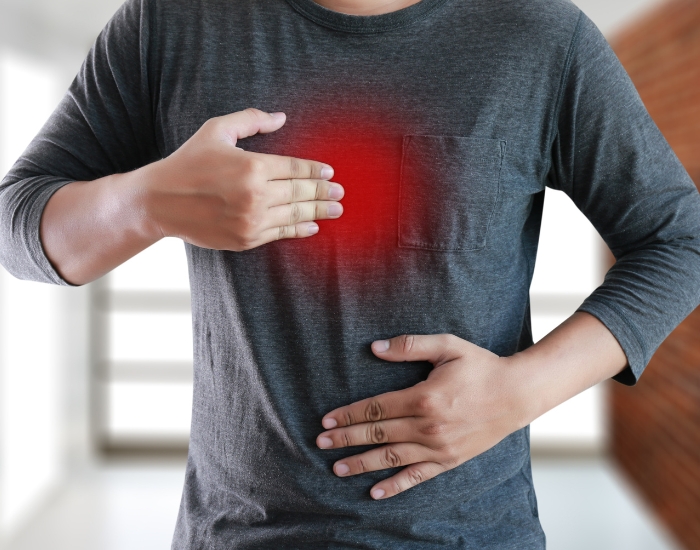
Most people experience heartburn at some point in their lives. After a spicy meal or a large dinner, a burning sensation in the chest may seem like nothing more than temporary indigestion. But when heartburn becomes severe, persistent, or is accompanied by other concerning symptoms, it can be difficult to tell whether you’re dealing with acid reflux or a medical emergency.
One of the biggest challenges is that severe heartburn and a heart attack can produce surprisingly similar symptoms. Both may cause chest discomfort, pressure, pain that radiates into the neck or jaw, nausea, sweating, or a feeling that something isn’t right. Because these symptoms overlap, it’s never safe to assume chest pain is “just heartburn” without proper medical evaluation—especially if the pain is new, intense, or unlike anything you’ve experienced before.
Understanding what severe heartburn feels like, what causes it, and when it may indicate a more serious condition can help you make informed decisions about your health. In some situations, prompt emergency care can prevent life-threatening complications.
Important Note
Many cases of heartburn are caused by acid reflux and improve with lifestyle changes or medication. However, severe heartburn can sometimes be mistaken for a heart attack or other serious medical condition. This guide explains how to recognize the difference, what warning signs should never be ignored, and when seeking emergency care could protect your health.
Table of Contents
- What Is Severe Heartburn?
- Severe Heartburn Symptoms
- Common Causes of Severe Heartburn
- Heartburn vs. Heart Attack: How Can You Tell the Difference?
- Warning Signs You Should Never Ignore
- When Should You Go to the ER for Severe Heartburn?
- How Emergency Doctors Evaluate Chest Burning and Pain
- Treatment Options
- How to Reduce Future Episodes
- Emergency Care for Severe Heartburn in Houston
- Frequently Asked Questions
- Medical Disclaimer
What Is Severe Heartburn?
Heartburn is a burning sensation that develops behind the breastbone when stomach acid flows backward into the esophagus. This backward movement of acid, known as acid reflux, irritates the lining of the esophagus and causes discomfort that may range from mild to severe.
Many people notice symptoms after eating large meals, consuming spicy or fatty foods, drinking coffee or alcohol, or lying down shortly after eating. While occasional heartburn is common, severe heartburn is different. The burning sensation may become intense, last for hours, wake you from sleep, or occur repeatedly throughout the week.
In some cases, the discomfort extends beyond simple burning. People may describe crushing chest pressure, tightness, pain between the shoulder blades, or discomfort that spreads into the throat or jaw. These symptoms can closely resemble those of a heart attack, making medical evaluation especially important when the diagnosis is uncertain.
[IMAGE: Illustration comparing acid reflux affecting the esophagus with the location of heart-related chest pain.]
Severe Heartburn Symptoms
Heartburn affects everyone differently. While some people experience only mild burning after meals, others develop symptoms severe enough to interfere with eating, sleeping, or daily activities.
Common symptoms of severe heartburn include:
- A burning sensation behind the breastbone
- Chest discomfort that worsens after eating
- Pain that becomes worse when lying flat or bending over
- A sour or bitter taste in the mouth
- Acid or food coming back into the throat
- Difficulty swallowing
- A sensation that food is stuck in the chest
- Frequent burping
- Persistent cough, especially at night
- Hoarseness or chronic throat irritation
Although these symptoms often point toward gastroesophageal reflux disease (GERD), severe chest burning should never automatically be attributed to acid reflux—particularly if it is your first episode or feels different from previous experiences.
Some people experiencing a heart attack report symptoms that feel remarkably similar to severe heartburn. Others notice pressure rather than burning, while some experience both simultaneously. This overlap is one reason emergency physicians take chest discomfort seriously, regardless of whether patients believe it is “just indigestion.”
Common Causes of Severe Heartburn
Acid reflux is the most common cause of heartburn, but several medical conditions can produce similar symptoms. Identifying the underlying cause is important because treatment varies depending on the diagnosis.
Gastroesophageal Reflux Disease (GERD)
GERD occurs when stomach acid repeatedly flows back into the esophagus due to a weakened lower esophageal sphincter. Over time, frequent acid exposure irritates the lining of the esophagus and can lead to chronic inflammation.
People with GERD often notice symptoms several times each week, particularly after eating large meals or lying down shortly after dinner.
Hiatal Hernia
A hiatal hernia develops when part of the stomach pushes upward through the diaphragm into the chest cavity. This change in anatomy makes acid reflux more likely and can contribute to persistent heartburn.
Many people with hiatal hernias experience worsening symptoms after heavy meals or while lying flat.
Certain Foods and Drinks
Some foods naturally relax the valve between the stomach and esophagus or increase stomach acid production.
Common triggers include:
- Spicy foods
- Fried or fatty meals
- Chocolate
- Coffee and caffeinated beverages
- Citrus fruits
- Tomato-based products
- Carbonated drinks
- Alcohol
Not everyone reacts to the same foods, which is why identifying your individual triggers can be helpful.
Obesity and Pregnancy
Increased pressure inside the abdomen can force stomach contents upward into the esophagus. This is why heartburn is particularly common during pregnancy and among individuals carrying excess abdominal weight.
Medications
Certain medications may worsen acid reflux or irritate the esophagus, including some anti-inflammatory drugs, calcium channel blockers, and certain medications used to treat osteoporosis.
If symptoms begin after starting a new medication, discuss your concerns with your healthcare provider before making any changes.
Heartburn vs. Heart Attack: How Can You Tell the Difference?
This is one of the most common—and most important—questions emergency physicians hear.
Unfortunately, there is no single symptom that reliably distinguishes severe heartburn from a heart attack. Both conditions can cause chest pain, chest pressure, burning, nausea, sweating, and discomfort that spreads to the neck, jaw, shoulders, or back.
Heartburn often develops after eating and may improve with antacids or by sitting upright. Heart attack symptoms, on the other hand, may occur during physical activity or while resting and usually do not improve with acid-reducing medications.
However, these patterns are not always consistent. Some people having a heart attack experience burning that feels exactly like indigestion, while others have only mild discomfort rather than severe pain.
Women, older adults, and people with diabetes may experience especially subtle heart attack symptoms. Instead of crushing chest pain, they may notice fatigue, nausea, shortness of breath, upper abdominal discomfort, dizziness, or what feels like severe heartburn.
Because of this overlap, it is always safer to seek emergency evaluation if you are unsure of the cause of your chest discomfort.
If your symptoms include persistent chest pressure, pain radiating into the jaw or arm, or shortness of breath, immediate evaluation is essential. Learn more about chest pain emergency care and why prompt diagnosis can be lifesaving.
Many people also wonder whether an emergency room is necessary or if urgent care is enough. Our guide on urgent care vs. ER for chest pain explains when symptoms require immediate emergency evaluation.
Warning Signs You Should Never Ignore
While many episodes of heartburn are uncomfortable but not dangerous, certain symptoms may indicate a medical emergency rather than simple acid reflux. Because heartburn and serious heart conditions can produce similar symptoms, it’s important to pay attention to the overall picture—not just the burning sensation itself.
If chest discomfort is new, unusually severe, or feels different from your typical heartburn, it should always be evaluated by a medical professional. Waiting to see if symptoms improve can delay treatment for conditions where every minute matters.
Seek immediate emergency medical care if severe heartburn is accompanied by:
- Chest pain, pressure, tightness, or a squeezing sensation that lasts more than a few minutes
- Pain spreading to the left arm, both arms, shoulders, jaw, neck, or upper back
- Shortness of breath or difficulty breathing
- Cold sweats or clammy skin
- Nausea or repeated vomiting
- Dizziness, fainting, or feeling lightheaded
- Sudden weakness or unusual fatigue
- Confusion or difficulty speaking
- Difficulty swallowing that is worsening
- Vomiting blood or passing black, tarry stools
These symptoms may indicate a heart attack, severe gastrointestinal bleeding, an esophageal injury, or another serious medical condition requiring immediate treatment.
Breathing problems occurring alongside chest discomfort should never be ignored. If you’re experiencing both symptoms, it’s important to seek care immediately. Learn more about emergency care for breathing difficulties and why prompt evaluation is essential.
Important Note
It’s understandable to hope that chest burning is “just heartburn,” especially if you’ve experienced acid reflux before. However, heart attacks don’t always cause dramatic chest pain. Many people—particularly women, older adults, and those with diabetes—experience subtle symptoms that resemble severe indigestion. If something feels significantly different or your symptoms are severe, trust your instincts and seek emergency medical care rather than trying to diagnose yourself at home.
When Should You Go to the ER for Severe Heartburn?
Many cases of heartburn can be managed by a primary care physician or gastroenterologist, especially when symptoms occur occasionally and improve with lifestyle changes or medication. However, there are situations where immediate emergency evaluation is the safest choice.
You should go to the emergency room if:
- Your chest pain is severe or feels like pressure, squeezing, or heaviness.
- You are unsure whether your symptoms are heartburn or a heart attack.
- The discomfort lasts longer than several minutes or keeps returning.
- Symptoms are accompanied by shortness of breath, sweating, nausea, dizziness, or fainting.
- You have a history of heart disease, diabetes, or high blood pressure and develop new chest discomfort.
- You have difficulty swallowing or cannot keep food or liquids down.
- You vomit blood or notice black stools.
- Over-the-counter heartburn medications do not relieve your symptoms.
It’s always better to have a serious condition ruled out than to delay care for a potentially life-threatening emergency. Emergency physicians are trained to quickly distinguish cardiac conditions from gastrointestinal disorders and begin treatment without delay.
If you’re uncertain whether your symptoms require emergency care, reviewing common emergency symptoms can help you understand when immediate evaluation is recommended. However, if you suspect a heart attack, don’t wait—call 911 or go to the nearest emergency room immediately.
How Emergency Doctors Evaluate Chest Burning and Pain
When you arrive at the emergency room with severe heartburn or chest discomfort, the first priority is determining whether your symptoms are related to your heart. Because heart attacks can sometimes resemble acid reflux, emergency physicians approach chest pain carefully until dangerous conditions have been ruled out.
Your evaluation typically begins with questions about:
- When the symptoms started
- How long they’ve lasted
- Whether the pain is burning, pressure-like, sharp, or squeezing
- What makes the discomfort better or worse
- Your medical history and medications
- Any history of heart disease, GERD, or previous heartburn episodes
A physical examination is followed by diagnostic testing that may include:
- Electrocardiogram (EKG) to evaluate heart rhythm and signs of a heart attack
- Blood tests to detect heart muscle damage
- Chest X-rays when appropriate
- Continuous cardiac monitoring
- Blood pressure and oxygen level monitoring
- Additional imaging or gastrointestinal evaluation if needed
If heart-related causes are ruled out, physicians then consider other possible explanations, including GERD, esophageal inflammation, stomach ulcers, gallbladder disease, pancreatitis, or other digestive disorders.
Because several abdominal conditions can also cause upper abdominal discomfort that resembles heartburn, additional testing may be recommended. Severe pain in the upper abdomen or chest sometimes requires evaluation for digestive emergencies as well.
Treatment Options for Severe Heartburn
The right treatment depends on the underlying cause of your symptoms. While many cases of heartburn improve with lifestyle changes and medications that reduce stomach acid, severe chest discomfort should never be treated at home until a serious medical condition has been ruled out.
If emergency physicians determine that your symptoms are caused by acid reflux or another digestive condition rather than a heart problem, they will develop a treatment plan aimed at relieving symptoms and preventing future episodes.
Treatment for Acid Reflux and GERD
For patients with gastroesophageal reflux disease (GERD), treatment often focuses on reducing the amount of acid that reaches the esophagus while allowing irritated tissue to heal.
Depending on your symptoms, your healthcare provider may recommend:
- Antacids for temporary symptom relief
- H2 receptor blockers to reduce stomach acid production
- Proton pump inhibitors (PPIs) for more persistent acid reflux
- Dietary modifications
- Weight management if excess weight is contributing to symptoms
- Avoiding meals shortly before bedtime
- Elevating the head of the bed while sleeping
People with chronic GERD may require additional testing, such as an upper endoscopy, particularly if they experience difficulty swallowing, unexplained weight loss, or symptoms that do not improve with treatment.
Treatment for Serious Medical Conditions
If testing shows that your symptoms are related to a heart attack, unstable angina, severe esophageal injury, gastrointestinal bleeding, or another emergency, treatment begins immediately.
Depending on the diagnosis, emergency care may include:
- Continuous heart monitoring
- Medications to improve blood flow to the heart
- Blood pressure stabilization
- Intravenous (IV) fluids and medications
- Treatment for gastrointestinal bleeding
- Consultation with cardiology or gastroenterology specialists
- Hospital admission for observation or advanced treatment when necessary
Early diagnosis is critical because many serious conditions have significantly better outcomes when treated promptly.
How to Reduce Future Episodes of Heartburn
Although not every episode of heartburn can be prevented, healthy daily habits can significantly reduce your risk of recurring acid reflux. Small lifestyle changes often have a meaningful impact, particularly for people who experience symptoms several times a week.
Helpful prevention strategies include:
- Eat smaller meals instead of large portions.
- Avoid lying down for at least two to three hours after eating.
- Limit foods and beverages that consistently trigger your symptoms.
- Maintain a healthy weight.
- Quit smoking if you smoke.
- Limit alcohol intake.
- Wear loose-fitting clothing around the waist.
- Sleep with your head elevated if nighttime reflux is common.
Keeping a food and symptom diary can also help identify personal triggers. While spicy foods are a common cause for some people, others may react more strongly to caffeine, chocolate, citrus fruits, or fatty meals.
If your heartburn becomes frequent, occurs several times each week, or continues despite treatment, schedule an evaluation with your healthcare provider. Persistent acid reflux can damage the esophagus over time and should not be ignored.
[IMAGE: Emergency physician evaluating a patient with chest discomfort while performing an EKG to rule out a heart attack.]
Emergency Care for Severe Heartburn in Houston
Chest burning should never be dismissed simply because it feels like heartburn. While acid reflux is a common cause, serious conditions such as a heart attack, severe esophageal injury, or other medical emergencies can produce remarkably similar symptoms. The safest approach is to seek immediate medical evaluation whenever chest discomfort is severe, new, persistent, or accompanied by other warning signs.
At Montrose Emergency Room, our board-certified emergency physicians provide 24/7 evaluation for patients experiencing chest pain, severe heartburn, difficulty breathing, and other urgent symptoms. Using advanced diagnostic technology—including EKGs, cardiac blood tests, imaging, and comprehensive emergency assessment—we quickly determine whether your symptoms are related to your heart, digestive system, or another serious condition.
Conveniently located in Houston and serving Montrose, Midtown, River Oaks, Downtown, The Heights, and surrounding communities, we offer immediate, no-wait emergency care when every minute counts.
If you’re experiencing severe chest discomfort and aren’t sure whether it’s heartburn or something more serious, don’t take chances. Our 24/7 emergency room in Houston is always ready to provide rapid diagnosis and expert emergency treatment.
Frequently Asked Questions
Can severe heartburn feel like a heart attack?
Yes. Severe heartburn and a heart attack can both cause chest burning, pressure, discomfort, nausea, sweating, and pain that radiates into the jaw, neck, or arms. Because the symptoms overlap, you should seek emergency medical evaluation if you are unsure of the cause.
How do I know if my heartburn is serious?
Heartburn may be serious if it is severe, occurs with shortness of breath, sweating, dizziness, fainting, pain spreading into the arms or jaw, vomiting blood, difficulty swallowing, or persistent chest pressure. These symptoms require immediate medical attention.
Can GERD cause severe chest pain?
Yes. Gastroesophageal reflux disease (GERD) can sometimes cause significant chest discomfort that closely resembles heart-related pain. However, only a medical evaluation can determine whether your symptoms are caused by GERD or a more serious condition.
Should I go to urgent care or the ER for severe heartburn?
If your symptoms are mild and similar to previous episodes of acid reflux, your primary care provider may recommend outpatient treatment. However, if the pain is severe, new, persistent, or accompanied by symptoms suggesting a heart attack, you should go directly to the emergency room rather than delaying care.
Can stress make heartburn worse?
Stress itself does not directly cause acid reflux, but it can worsen existing symptoms by increasing stomach sensitivity, affecting digestion, and contributing to behaviors such as overeating or consuming trigger foods.
Can heartburn happen without eating spicy food?
Absolutely. While spicy foods are a common trigger, heartburn may also occur after fatty meals, caffeine, chocolate, alcohol, citrus fruits, tomato-based foods, or even large meals. Some people develop heartburn due to GERD, a hiatal hernia, pregnancy, certain medications, or obesity, regardless of what they eat.
Medical Disclaimer
This article is intended for educational purposes only and should not replace professional medical advice, diagnosis, or treatment. Chest pain and severe heartburn can have many possible causes, including life-threatening medical emergencies. If you experience severe or persistent chest discomfort, shortness of breath, pain radiating to the arm or jaw, fainting, confusion, or any other concerning symptoms, seek emergency medical care immediately. If you are in the Houston area, Montrose Emergency Room is open 24/7 to provide rapid evaluation, advanced diagnostic testing, and expert emergency treatment when every second matters.