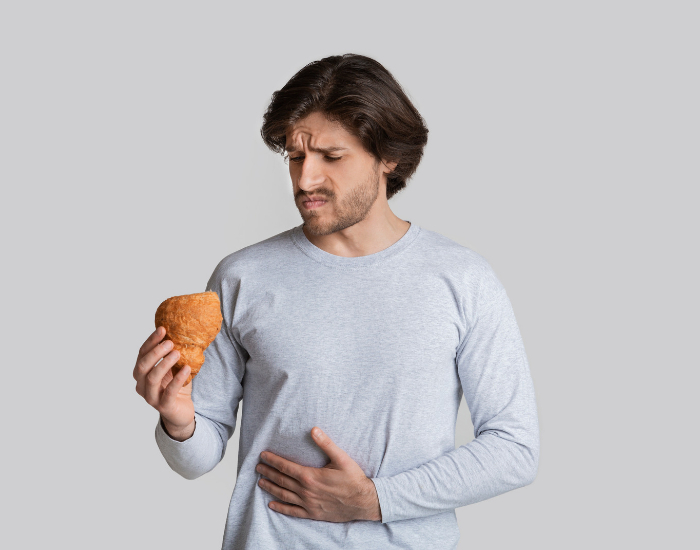
Stomach pain after eating can be frustrating, especially when it happens again and again. Sometimes the cause is something relatively minor, such as indigestion, gas, eating too quickly, or a food that does not agree with your stomach. But pain that consistently appears after meals can also be linked to problems involving the stomach, gallbladder, pancreas, intestines, or other organs.
The timing and location of the pain can provide important clues. Pain in the upper right abdomen after a heavy meal, for example, can occur with gallbladder problems, while upper abdominal pain that becomes worse after eating can occur with pancreatitis. Burning or aching pain may also occur with gastritis or a peptic ulcer. Because several digestive conditions can cause similar symptoms, severe, persistent, or worsening pain should not simply be blamed on something you ate.

Quick Answer: Is Stomach Pain After Eating Serious?
Not always. Mild stomach discomfort after eating may come from indigestion, gas, overeating, food intolerance, or another temporary digestive problem. However, severe or persistent pain, repeated vomiting, fever, yellowing of the skin or eyes, black or bloody stools, vomiting blood, fainting, chest pain, difficulty breathing, or a rigid or very tender abdomen can signal a medical emergency.
If the pain is severe, rapidly worsening, or accompanied by concerning symptoms, seek emergency medical care rather than waiting to see if it goes away.
Table of Contents
- Why Does My Stomach Hurt After Eating?
- Common Causes of Stomach Pain After Eating
- What Does the Location of the Pain Mean?
- Could It Be Your Gallbladder?
- Could It Be Gastritis or an Ulcer?
- Could It Be Pancreatitis?
- When Food May Be the Trigger
- When Is Stomach Pain After Eating Serious?
- When Should You Go to the ER?
- How Is the Cause Diagnosed?
- What Should You Do If It Keeps Happening?
- Emergency Care in Houston
- Frequently Asked Questions
- Final Thoughts
Why Does My Stomach Hurt After Eating?
Your digestive system becomes active as soon as you eat. The stomach expands, digestive juices are released, the gallbladder releases bile, and the pancreas produces digestive enzymes. Because several organs become involved in digestion, discomfort after a meal can have more than one possible cause.
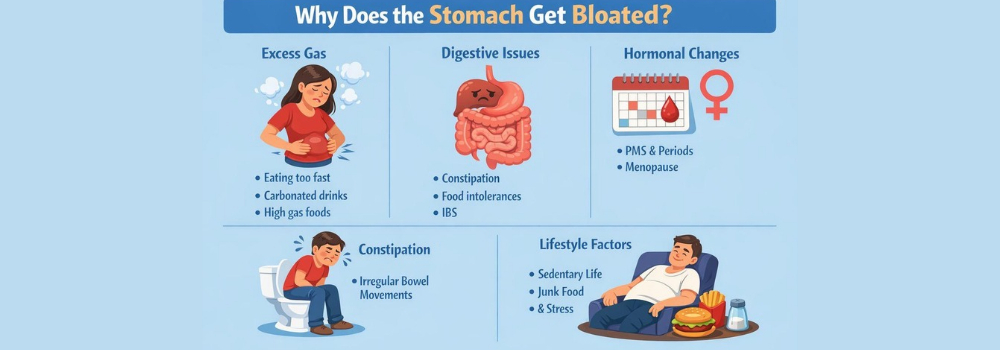
For some people, the problem is simple indigestion. Eating a large meal, eating too quickly, consuming very fatty or spicy foods, or swallowing excess air can lead to bloating, pressure, gas, or discomfort.
However, recurring pain after meals deserves more attention. Gallstones can cause upper abdominal pain after heavy meals. Gastritis can cause burning or aching discomfort in the upper abdomen. Peptic ulcers can cause abdominal pain, fullness, nausea, and bloating. Pancreatitis can cause upper abdominal pain that becomes worse after eating and may spread toward the back.
The pattern matters. Pay attention to where the pain occurs, how quickly it begins after eating, how long it lasts, whether certain foods trigger it, and whether other symptoms appear with it.
Common Causes of Stomach Pain After Eating
Indigestion
Indigestion, also called dyspepsia, can cause discomfort in the upper abdomen during or after a meal. You may feel unusually full, bloated, or uncomfortable, or you may notice belching and nausea.
Eating too much or too quickly can make indigestion more likely. Certain foods, stress, alcohol, and some medications can also contribute. Occasional mild indigestion usually improves on its own, but frequent symptoms should be discussed with a healthcare professional.
Gas and bloating
Gas can create pressure, cramping, or a feeling of fullness after eating. Foods that are difficult for you to digest, carbonated beverages, eating quickly, and swallowing air can all contribute to excess gas.
Gas pain can sometimes feel surprisingly intense. However, severe or persistent abdominal pain should not automatically be assumed to be gas, particularly when it occurs with vomiting, fever, fainting, blood in the stool, or significant tenderness.
Gastritis
Gastritis occurs when the stomach lining becomes inflamed. It can cause a gnawing, burning, or aching sensation in the upper abdomen. Some people notice that eating makes the discomfort worse, while others feel temporary improvement after eating.
Nausea, vomiting, and a feeling of fullness after eating can also occur. Gastritis can have several causes, including certain infections, alcohol use, and medications such as nonsteroidal anti-inflammatory drugs.
Severe pain, vomiting that prevents you from keeping food or fluids down, dizziness, vomiting blood, or black stools requires prompt medical attention.
Peptic ulcer
A peptic ulcer is a sore that develops in the lining of the stomach or the first part of the small intestine. It can cause pain or discomfort in the upper abdomen, along with nausea, bloating, belching, or feeling full sooner than expected.
For some people, eating makes ulcer pain worse. For others, the discomfort occurs when the stomach is empty or at night and may temporarily improve after eating. The most common causes of peptic ulcers are H. pylori infection and nonsteroidal anti-inflammatory drugs.
A sudden, severe abdominal pain that does not go away, black or tarry stools, blood in the stool, vomiting blood, or vomit that resembles coffee grounds can indicate an ulcer complication and requires urgent medical evaluation.
What Does the Location of the Pain Mean?
Where the pain occurs can help doctors narrow down the possible cause, although location alone cannot diagnose a condition.
Upper middle stomach pain after eating
Pain in the upper middle abdomen, just below the breastbone, may occur with indigestion, gastritis, peptic ulcers, acid-related conditions, gallbladder problems, or pancreatitis.
Because some heart problems can also cause discomfort in the upper abdomen or chest, new severe pain should not automatically be considered a digestive problem.
Upper right stomach pain after eating
Pain in the upper right abdomen is particularly important when it repeatedly occurs after meals. Gallbladder attacks commonly cause pain in this area and can occur after heavy meals.
Gallbladder pain may last for several hours. Nausea or vomiting can occur as well. If the pain is accompanied by fever, chills, jaundice, dark urine, or worsening symptoms, prompt medical evaluation is important because a blocked bile duct can lead to serious complications.
Upper stomach pain that spreads to the back
Upper abdominal pain that travels toward the back can have several causes, including pancreatitis. Pancreatitis can cause significant upper abdominal pain, nausea, vomiting, fever, rapid heart rate, and abdominal tenderness.
Pain from pancreatitis can become worse after eating. Severe or worsening abdominal pain with vomiting, fever, rapid heartbeat, shortness of breath, or yellowing of the skin or eyes requires immediate medical attention.
Lower abdominal pain after eating
Lower abdominal discomfort after meals may have a different set of causes, including constipation, intestinal gas, irritable bowel syndrome, inflammatory bowel disease, or other intestinal problems.
The pattern is important. Repeated diarrhea, constipation, blood in the stool, unexplained weight loss, persistent vomiting, fever, or progressively worsening pain should be evaluated rather than repeatedly treated as ordinary indigestion.
Could It Be Your Gallbladder?
One of the most important causes to consider when stomach pain repeatedly follows meals is gallbladder disease, particularly gallstones.
Gallstones are hardened pieces of material that can form inside the gallbladder. Many gallstones never cause symptoms. Problems can develop when a stone blocks one of the bile ducts.
A gallbladder attack typically causes pain in the upper right abdomen and may last for several hours. Attacks often occur after heavy meals, sometimes in the evening or during the night. Nausea and vomiting can accompany the pain.
Gallbladder symptoms can resemble other digestive conditions, so an evaluation may be necessary to determine what is actually causing the pain.
Important: Watch for Gallbladder Warning Signs
Seek prompt medical care for abdominal pain lasting several hours, especially when it occurs with vomiting, fever, chills, or yellowing of the skin or eyes. These symptoms can occur when a gallstone causes a blockage or when inflammation or infection develops.
Could It Be Gastritis or an Ulcer?
If the pain feels burning, gnawing, or aching in the upper abdomen, gastritis or a peptic ulcer may be possible.
Gastritis involves inflammation of the stomach lining. The discomfort may become worse or better after eating. You may also experience nausea or a feeling of uncomfortable fullness.
Peptic ulcers can produce similar symptoms, which is why recurring stomach pain should not be diagnosed based only on how it feels. A healthcare professional may need to determine whether H. pylori, medication use, or another condition is responsible.
Bleeding is one of the most concerning ulcer complications. Black, tarry stools or vomiting blood should never be ignored.
Could It Be Pancreatitis?
Pancreatitis is inflammation of the pancreas, an organ located behind the stomach. Acute pancreatitis can develop suddenly and may cause significant upper abdominal pain.
The pain may spread toward the back and can become worse after eating. Nausea, vomiting, fever, a rapid heartbeat, abdominal tenderness, and shortness of breath may also occur.
Pancreatitis is not something to monitor at home when symptoms are severe. Serious cases can cause complications and may require hospital treatment, including IV fluids, pain management, monitoring, and treatment of the underlying cause.
Gallstones are one of the common causes of acute pancreatitis. This is another reason recurring post-meal upper abdominal pain, particularly when severe, deserves proper evaluation.
When Food May Be the Trigger
Not every episode of stomach pain after eating means there is a serious disease. Sometimes a particular food or eating pattern is the trigger.
Large meals can place more pressure on the stomach and digestive system. Fatty foods may also trigger symptoms in people with gallbladder disease. Spicy foods, alcohol, carbonated drinks, or foods that cause gas may worsen digestive discomfort in some people.
Food intolerance can also cause abdominal discomfort, bloating, diarrhea, or other digestive symptoms after eating a specific food. Keeping a simple record of meals and symptoms may help identify a recurring pattern.
However, avoiding one food should not become a substitute for medical evaluation when the pain is severe, occurs frequently, or continues even when the suspected trigger is removed.
When Is Stomach Pain After Eating Serious?
Stomach pain after eating becomes more concerning when the pain is severe, persistent, worsening, or accompanied by other symptoms.
Seek urgent medical attention if you develop:
- Severe or rapidly worsening abdominal pain
- Pain that makes it difficult to sit still or find a comfortable position
- Repeated vomiting or inability to keep fluids down
- Fever or chills with abdominal pain
- Yellowing of the skin or whites of the eyes
- Vomiting blood or material that looks like coffee grounds
- Black, tarry, bloody, or maroon-colored stools
- Fainting, severe weakness, or significant dizziness
- A swollen, rigid, or extremely tender abdomen
- Severe upper abdominal pain that spreads to the back
- Chest pressure, chest pain, sweating, or trouble breathing
- Abdominal pain after a significant injury
These symptoms can occur with conditions that require prompt diagnosis and treatment, including gallbladder complications, pancreatitis, gastrointestinal bleeding, obstruction, severe infection, or other emergencies.
When Should You Go to the ER for Stomach Pain After Eating?
You should consider emergency care when stomach pain is severe, suddenly develops, keeps getting worse, or comes with signs of a potentially serious problem.
For example, severe upper-right abdominal pain after a meal combined with fever or jaundice should not be treated as ordinary indigestion. Similarly, intense upper abdominal pain that travels to the back with vomiting may require evaluation for pancreatitis.
Emergency care is also appropriate when abdominal pain comes with gastrointestinal bleeding, fainting, breathing difficulty, severe dehydration, or other symptoms that suggest a medical emergency.
If symptoms are life-threatening, call 911 rather than attempting to drive yourself.
For less severe but recurring pain, a primary care doctor or gastroenterologist may be appropriate. The key is not to ignore a pattern simply because the pain eventually goes away.
If you are unsure whether your symptoms require emergency care, an emergency department can evaluate the symptoms and determine whether urgent testing or treatment is necessary.
How Is the Cause of Stomach Pain After Eating Diagnosed?
Doctors generally start by asking detailed questions about the pain. The timing of the pain can be particularly useful. You may be asked whether it begins immediately after eating or several hours later, whether certain foods trigger it, how long it lasts, and whether it spreads to your back, shoulder, chest, or another area.
The physical examination may include checking the abdomen for tenderness, swelling, guarding, or other findings.
Depending on your symptoms, medical history, and examination, testing may include blood work or imaging. Blood tests can help identify signs of inflammation, infection, liver or gallbladder problems, or pancreatic involvement.
Imaging may also be useful. An ultrasound can help evaluate the gallbladder, while CT imaging may be used when doctors need a broader view of the abdomen. Other testing, including endoscopy, may be appropriate when an ulcer, gastritis, or another upper digestive tract condition is suspected.
The appropriate tests depend on the symptoms. Not everyone with stomach pain needs the same evaluation.
What Should You Do If Your Stomach Hurts After Every Meal?
If stomach pain repeatedly happens after eating, start paying attention to the pattern instead of simply treating each episode as indigestion.
Note what you ate, when the pain started, where it occurred, how severe it was, how long it lasted, and whether you experienced nausea, vomiting, diarrhea, fever, bloating, or other symptoms. This information can make a medical evaluation more useful.
Avoid repeatedly taking over-the-counter pain relievers to mask unexplained abdominal pain without discussing the problem with a healthcare professional. Some medications can irritate the stomach and may contribute to ulcers or gastrointestinal bleeding.
If the pain is mild and occasional, it may be reasonable to monitor the pattern and discuss recurring symptoms with a healthcare professional. If the pain is severe, persistent, or accompanied by warning signs, seek urgent medical evaluation instead.
Emergency Room Care in Montrose Houston
When severe stomach or abdominal pain occurs in Houston, the right level of care depends on the symptoms. A serious or rapidly worsening condition may require emergency evaluation rather than waiting for a routine appointment.
Montrose Emergency Room provides 24/7 emergency care in Houston’s Montrose area for adults and children. The facility offers diagnostic capabilities including EKGs, X-rays, and CT scans, which can help physicians evaluate a wide range of urgent medical conditions.
The emergency room is located at 1110 W. Gray St #101, Houston, TX 77019, near Montrose, Midtown, River Oaks, and Downtown Houston. For emergency assistance or questions about visiting the facility, call (832) 487-0911.
Patients experiencing severe abdominal pain should not delay emergency evaluation simply because the pain started after eating. The meal may be a trigger, but the underlying cause still needs to be identified.
Severe Stomach Pain? Get Prompt Emergency Evaluation
Severe abdominal pain, repeated vomiting, fever, jaundice, gastrointestinal bleeding, or pain that keeps getting worse can require urgent medical attention. Montrose Emergency Room provides 24/7 emergency care in Houston with on-site diagnostic services.
1110 W. Gray St #101, Houston, TX 77019
(832) 487-0911
Frequently Asked Questions
Why does my stomach hurt every time I eat?
Recurring stomach pain after meals can have several causes, including indigestion, gastritis, peptic ulcers, gallstones, food intolerance, or pancreatic problems. The location, timing, severity, and other symptoms help determine what may be causing it.
Why does my upper stomach hurt after eating?
Upper stomach pain after eating can occur with indigestion, gastritis, ulcers, gallbladder problems, or pancreatitis. Severe pain or pain that spreads to the back should be evaluated promptly.
Why does my upper right stomach hurt after eating?
Upper-right abdominal pain that occurs after meals can be associated with gallstones or gallbladder problems. Gallbladder attacks often occur after heavy meals and may last for several hours. Fever, vomiting, chills, or jaundice are warning signs that require prompt medical care.
Can gallstones cause stomach pain after eating?
Yes. Gallstones can cause a gallbladder attack when they block a bile duct. The pain commonly occurs in the upper right abdomen and may follow a heavy meal. Nausea and vomiting can also occur.
Can an ulcer cause stomach pain after eating?
Yes. Peptic ulcers can cause upper abdominal pain or discomfort, and eating may make symptoms worse for some people. Ulcers can also cause fullness, nausea, bloating, and belching. Vomiting blood or passing black, tarry stools can indicate bleeding and requires urgent medical attention.
Can pancreatitis cause pain after eating?
Yes. Pancreatitis can cause upper abdominal pain that becomes worse after eating. The pain may spread to the back and can occur with nausea, vomiting, fever, rapid heartbeat, or abdominal tenderness.
When should I go to the ER for stomach pain after eating?
Go to the ER when the pain is severe, sudden, persistent, or worsening, especially if it occurs with repeated vomiting, fever, jaundice, blood in the vomit or stool, fainting, difficulty breathing, severe tenderness, or pain spreading to the back.
Is stomach pain after eating always a sign of something serious?
No. Mild, occasional discomfort can result from indigestion, gas, overeating, or food-related irritation. However, frequent or progressively worsening pain deserves medical evaluation because several important digestive conditions can produce similar symptoms.
What does it mean if my stomach hurts after eating fatty foods?
Fatty foods can worsen indigestion for some people and may trigger symptoms in people with gallbladder disease. Repeated upper-right abdominal pain after heavy or fatty meals is worth discussing with a healthcare professional.

Final Thoughts
Stomach pain after eating is common, but recurring pain should not always be dismissed as something you ate. The pattern can provide useful clues. Upper-right pain after a heavy meal may point toward the gallbladder, burning upper abdominal discomfort may occur with gastritis or an ulcer, and severe upper abdominal pain that spreads to the back may occur with pancreatitis.
What matters most is the overall picture. Severe pain, persistent symptoms, repeated vomiting, fever, jaundice, gastrointestinal bleeding, fainting, breathing difficulty, or a rapidly worsening condition requires prompt medical attention.
When the cause is unclear, an appropriate medical evaluation can help determine whether the problem is a temporary digestive issue or something that requires urgent treatment.
Medical Disclaimer: This information is intended for general educational purposes and does not replace an evaluation by a qualified healthcare professional. Abdominal pain can have many causes, and symptoms alone cannot establish a diagnosis. If symptoms are severe, sudden, worsening, or accompanied by emergency warning signs, seek immediate medical care. Call 911 for life-threatening symptoms.