When Chest Pain Demands Immediate Attention
Waking up with a squeezing feeling in the chest, or noticing sudden pressure after climbing stairs, can be frightening. Many people wonder whether it’s simply indigestion, anxiety, or something more serious. The challenge is deciding when to go to ER for chest pain—especially since the causes range from mild to life-threatening.
Chest pain is a common reason for visiting an emergency room, and timing matters. Ignoring warning signs can result in serious complications like heart attack or pulmonary embolism. On the other hand, not every twinge requires an ER visit. Understanding the types of chest pain and associated symptoms can guide safe, timely decisions.
Common Causes of Chest Pain
Chest pain can stem from heart, lung, digestive, or musculoskeletal issues. Some common causes include:
-
Heart-related causes:
-
Angina (reduced blood flow to the heart)
-
Heart attack
-
Pericarditis (inflammation of the heart lining)
-
-
Lung-related causes:
-
Pulmonary embolism (blood clot in the lungs)
-
Pneumothorax (collapsed lung)
-
Pneumonia or infections
-
-
Digestive causes:
-
Acid reflux or GERD
-
Esophageal spasms
-
-
Musculoskeletal causes:
-
Muscle strain
-
Rib injury or inflammation
-
Understanding the context of your pain, its onset, intensity, and accompanying symptoms can help determine when to go to ER for chest pain.
Key Warning Signs Requiring Emergency Care
Certain chest pain symptoms indicate a serious problem and need immediate evaluation in the ER:
-
Sudden, crushing chest pressure or squeezing sensation
-
Pain radiating to arm, neck, jaw, or back
-
Shortness of breath or difficulty breathing
-
Lightheadedness, dizziness, or fainting
-
Sweating, nausea, or vomiting
-
Palpitations or rapid heartbeat
-
Severe anxiety or a feeling of impending doom
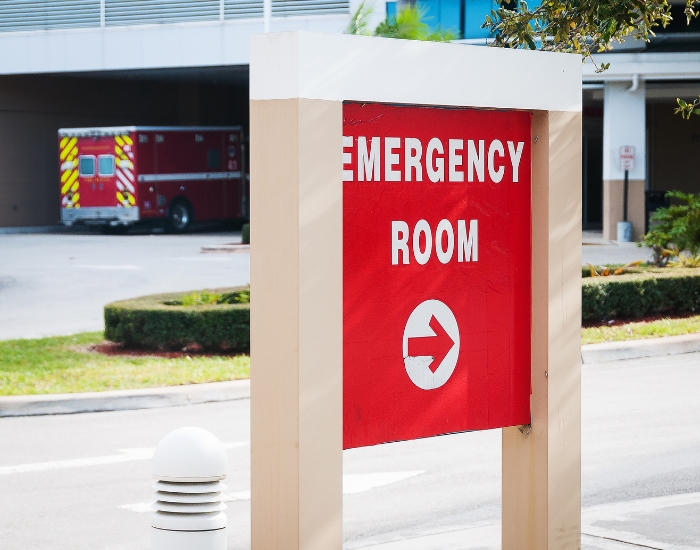
If any of these occur, seek ER care near me immediately rather than waiting or driving yourself.
When Chest Pain May Not Require the ER
Some chest pain is less urgent, though it still deserves medical attention:
-
Mild discomfort after heavy meals or physical exertion
-
Pain that improves with rest or changes in position
-
Aching from muscle strain or minor injury
Even when chest pain seems mild, follow-up with a primary care physician or cardiologist is important to rule out underlying heart conditions.
Who Handles Chest Pain
-
Emergency Room Physicians: Handle acute chest pain that may signal heart attack or other life-threatening conditions.
-
Cardiologists: Manage long-term heart health, evaluate risk factors, and recommend testing.
-
Primary Care Physicians: Provide routine monitoring, manage risk factors like hypertension and cholesterol, and refer to specialists if needed.
How Chest Pain is Evaluated in the ER
When you arrive at the emergency room, doctors quickly determine whether chest pain is life-threatening. Evaluation steps include:
-
Vital Signs Check: Blood pressure, heart rate, oxygen levels, and temperature
-
Electrocardiogram (ECG): Detects irregular heart rhythms or early signs of a heart attack
-
Blood Tests: Check for cardiac enzymes that indicate heart muscle damage
-
Imaging Tests: Chest X-rays or CT scans to evaluate lungs and major blood vessels
-
Physical Examination: Assesses heart, lungs, and signs of other conditions like infection or trauma
These assessments help physicians determine the cause of chest pain and guide treatment decisions.
How Chest Pain is Managed
Treatment depends on the cause and severity:
Heart-related chest pain:
- Rapid administration of medications like aspirin or nitroglycerin
- Oxygen therapy if needed
- Emergency procedures such as stent placement or cardiac catheterization
Lung-related causes:
- Anticoagulants for pulmonary embolism
- Antibiotics for pneumonia
- Emergency interventions for collapsed lung
Musculoskeletal or digestive causes:
- Pain management and anti-inflammatory medications
- Dietary adjustments for acid reflux or GERD
Immediate ER care ensures complications are minimized and organs remain protected.
Prevention Tips for Future Chest Pain
Preventing serious chest pain involves managing underlying risk factors:
-
Heart-healthy lifestyle: Balanced diet, regular exercise, and maintaining a healthy weight
-
Blood pressure control: Monitor regularly and take medications as prescribed
-
Cholesterol management: Reduce saturated fats and get routine blood tests
-
Avoid tobacco and limit alcohol: Both increase heart attack risk
-
Manage stress: Practice mindfulness, deep breathing, or counseling
-
Regular medical checkups: Early detection of heart or lung conditions reduces emergencies
Red Flag Chest Pain Symptoms
-
Crushing or squeezing pressure in the chest
-
Pain radiating to jaw, neck, shoulder, or arm
-
Shortness of breath or difficulty breathing
-
Dizziness, fainting, or lightheadedness
-
Cold sweats, nausea, or vomiting
Immediate Actions:
-
Call 911 if severe or sudden chest pain occurs
-
Avoid driving yourself to the ER if feeling weak or dizzy
-
Take note of symptom onset, duration, and triggers for ER staff
-
Bring current medications and medical history
FAQs About Chest Pain and ER Visits
1. How do I know if chest pain is serious?
Chest pain with shortness of breath, pressure, dizziness, or radiation to arm/jaw may indicate a heart emergency and requires ER care.
2. Can chest pain be caused by stress or anxiety?
Yes, anxiety can cause chest discomfort, but it is important to rule out heart-related causes first.
3. Is it safe to wait a few hours before going to the ER?
If chest pain is severe, sudden, or associated with red flag symptoms, immediate ER evaluation is necessary.
4. Can children or teenagers experience dangerous chest pain?
Though less common, serious causes exist, and chest pain in young people should always be evaluated promptly.
5. Who manages chest pain long-term?
Primary care physicians and cardiologists handle ongoing management, while ER physicians stabilize acute episodes.
Final Thoughts
Deciding when to go to ER for chest pain can feel confusing, but prompt action can save lives. Severe pressure, radiating pain, shortness of breath, dizziness, or nausea should never be ignored. Emergency physicians stabilize critical conditions, while long-term care from primary care or cardiology ensures heart health is maintained. Being aware of symptoms, monitoring risk factors, and seeking timely care reduces the likelihood of serious complications.
Medical Disclaimer:
This content is for educational purposes only and is not a substitute for professional medical advice. Always consult a qualified healthcare provider for guidance on your health, medications, or treatment. If experiencing chest pain or any medical emergency, call 911 or go to the nearest emergency room immediately.