Yes. Acid reflux can sometimes feel very similar to chest pain caused by heart problems. Many people experience burning chest discomfort, chest tightness, pressure, throat irritation, sour taste, coughing, or pain after eating and wonder whether symptoms are related to acid reflux, heartburn, anxiety, or something more serious.
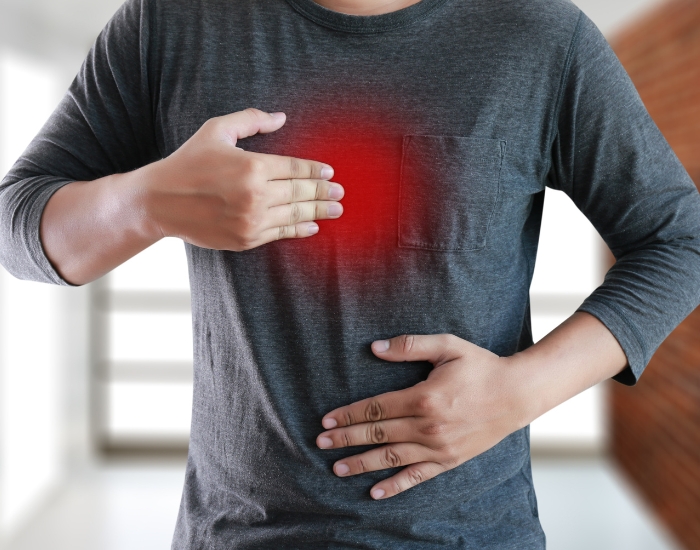
Acid reflux happens when stomach acid moves upward into the esophagus, causing irritation and burning discomfort. Symptoms may become worse after large meals, spicy foods, lying down, late-night eating, caffeine, stress, or certain medications.
However, chest pain should never automatically be assumed to be acid reflux because serious medical emergencies such as heart attack, pulmonary embolism, pneumonia, or circulation problems may present with similar symptoms.
You should consider emergency evaluation immediately if chest pain occurs with shortness of breath, sweating, fainting, severe dizziness, nausea, weakness, blue lips, rapid heartbeat, or pain spreading to the arm, jaw, neck, or back.
Quick Note: Acid reflux may cause burning chest discomfort and throat irritation, but severe chest pressure, breathing difficulty, sweating, or pain spreading through the upper body should never be ignored.
Table of Contents
- Why People Search About Acid Reflux and Chest Pain
- What Acid Reflux Chest Pain May Feel Like
- What Causes Acid Reflux?
- Acid Reflux vs Heart Attack Symptoms
- Burning Chest Pain After Eating
- Why Symptoms Feel Worse at Night
- Can Anxiety and Reflux Feel Similar?
- When Chest Pain May Be Serious
- When Should You Go to the ER?
- Frequently Asked Questions
- Final Thoughts
- Disclaimer
Why People Search About Acid Reflux and Chest Pain
Many people become frightened when they suddenly feel burning chest discomfort, chest pressure, throat tightness, or pain after eating. Others wake up at night with chest burning, coughing, bitter taste, or trouble swallowing and immediately worry about heart problems.
Common searches include “Can acid reflux feel like a heart attack?”, “Why does my chest burn after eating?”, “Can reflux cause chest tightness?”, “How do I know if chest pain is serious?”, and “Should I go to the ER for chest pain?”
Because reflux symptoms and heart-related symptoms may overlap, many people struggle to determine whether symptoms are mild digestive irritation or a potentially dangerous emergency.
Related symptoms may overlap with chest pain emergency evaluations and chest tightness and shortness of breath causes.
What Acid Reflux Chest Pain May Feel Like
Acid reflux chest pain often feels like burning, pressure, irritation, or discomfort behind the breastbone. Some people describe symptoms as chest burning, throat burning, sour taste, acid coming upward, or pressure after meals.
Symptoms may become worse after spicy foods, greasy meals, caffeine, alcohol, lying down, bending over, or eating late at night.
Some individuals also experience bloating, burping, coughing, throat clearing, hoarseness, or trouble swallowing.
However, chest pain symptoms can vary greatly from person to person, which is why severe or unusual symptoms should never automatically be blamed on reflux alone.
What Causes Acid Reflux?

Acid reflux occurs when stomach acid moves backward into the esophagus. This may happen when the lower esophageal sphincter becomes weakened or relaxes improperly.
Several factors may increase reflux symptoms, including spicy foods, fatty meals, caffeine, alcohol, smoking, obesity, stress, pregnancy, overeating, and lying down after meals.
Some medications may also contribute to reflux symptoms or chest irritation.
People with chronic reflux may experience frequent heartburn, throat irritation, cough, chest discomfort, or sleep disturbance.
Important: Chest pain should never automatically be assumed to be acid reflux, especially if symptoms are sudden, severe, worsening, or associated with shortness of breath, sweating, dizziness, or pain spreading through the upper body.
Acid Reflux vs Heart Attack Symptoms
Acid reflux and heart attack symptoms may sometimes feel similar. Both conditions may cause chest discomfort, pressure, burning sensation, nausea, or pain in the chest area.
However, heart attack symptoms may also include shortness of breath, sweating, fainting, severe weakness, dizziness, nausea, pain spreading to the arm or jaw, or chest pressure that worsens with activity.
Acid reflux symptoms often become worse after meals, while lying down, or after spicy or acidic foods.
Because symptoms may overlap, emergency evaluation may be the safest choice when symptoms feel severe, unusual, or concerning.
| Possible Acid Reflux Symptoms | Possible Emergency Symptoms |
|---|---|
| Burning after eating | Chest pressure with exertion |
| Sour taste | Pain spreading to arm or jaw |
| Symptoms while lying down | Difficulty breathing |
| Throat irritation | Cold sweats |
| Burping or bloating | Fainting or severe dizziness |
Burning Chest Pain After Eating
Many people notice reflux symptoms shortly after meals. Large meals, spicy foods, greasy foods, tomato products, citrus, chocolate, alcohol, and caffeine may trigger burning chest discomfort.
Symptoms may feel worse while bending over, lying down, or sleeping shortly after eating.
Some individuals describe symptoms as chest burning moving upward toward the throat or a sour liquid sensation in the mouth.
Why Symptoms Feel Worse at Night
Acid reflux symptoms commonly worsen at night because lying flat may allow stomach acid to move more easily upward into the esophagus.
Nighttime reflux may cause coughing, chest burning, throat irritation, choking sensation, bitter taste, or sleep disruption.
Sleeping immediately after meals may increase symptoms in some people.
Can Anxiety and Reflux Feel Similar?
Yes. Anxiety and acid reflux may sometimes feel similar because both conditions can cause chest tightness, throat discomfort, nausea, rapid heartbeat, or feelings of panic.
Stress and anxiety may also worsen reflux symptoms in some individuals.
However, severe chest pain, breathing difficulty, sweating, or pain spreading through the upper body should never automatically be assumed to be anxiety or reflux alone.
When Chest Pain May Be Serious
Chest pain may represent a serious emergency when symptoms are sudden, severe, worsening, or associated with:
- Difficulty breathing
- Cold sweats
- Fainting
- Rapid heartbeat
- Pain spreading to the arm, jaw, neck, or back
- Blue lips
- Severe weakness
- Confusion
- Chest pressure during activity
Heart attacks, blood clots, pneumonia, abnormal heart rhythm, and circulation problems may sometimes present with symptoms similar to reflux.
When Should You Go to the ER?
You should consider emergency evaluation if chest discomfort is severe, worsening, unexplained, or associated with concerning symptoms.
At Montrose Emergency Room, emergency evaluation may include EKG testing, blood testing, cardiac monitoring, oxygen evaluation, imaging, IV medications, and treatment based on the cause of symptoms.
People experiencing severe symptoms may also search heart attack warning signs or should I go to the ER for chest pain.
Frequently Asked Questions
Can acid reflux feel like a heart attack?
Yes. Acid reflux may sometimes cause burning chest discomfort that feels similar to heart-related chest pain.
Can reflux cause chest tightness?
Yes. Some people experience chest pressure or tightness together with heartburn and throat irritation.
Can acid reflux cause shortness of breath?
Some individuals may feel throat tightness or discomfort while breathing during reflux episodes, especially at night.
Why does my chest burn after eating?
Burning chest discomfort after eating may occur when stomach acid irritates the esophagus.
Can anxiety make acid reflux worse?
Yes. Stress and anxiety may worsen reflux symptoms in some people.
When should I worry about chest pain?
Chest pain should be evaluated urgently if symptoms are severe, sudden, worsening, or associated with breathing difficulty, sweating, fainting, dizziness, or pain spreading through the upper body.
Final Thoughts
Acid reflux can sometimes cause burning chest discomfort, throat irritation, pressure, bloating, and pain after eating. However, chest pain should never automatically be assumed to be reflux because serious heart and lung emergencies may present with similar symptoms.
If chest discomfort occurs with shortness of breath, sweating, fainting, dizziness, severe weakness, or pain spreading to the arm, jaw, neck, or back, emergency evaluation may help identify dangerous conditions early.
If symptoms are severe, sudden, worsening, or concerning, emergency evaluation at Montrose Emergency Room may help provide timely care and treatment.
For severe or life-threatening symptoms, call 911 immediately.
Montrose Emergency Room – Houston Emergency Care
Montrose Emergency Room provides emergency evaluation and treatment for chest pain, breathing problems, dizziness, rapid heartbeat, nausea, weakness, reflux-like chest discomfort, and other urgent medical conditions for adults and children in Houston.
Disclaimer
This content is for educational purposes only and should not be used as a substitute for professional medical advice, diagnosis, or treatment. Chest pain, shortness of breath, fainting, dizziness, sweating, nausea, or pain spreading through the upper body may represent serious medical emergencies.
If you believe you may be experiencing a medical emergency, call 911 immediately or seek emergency medical care.