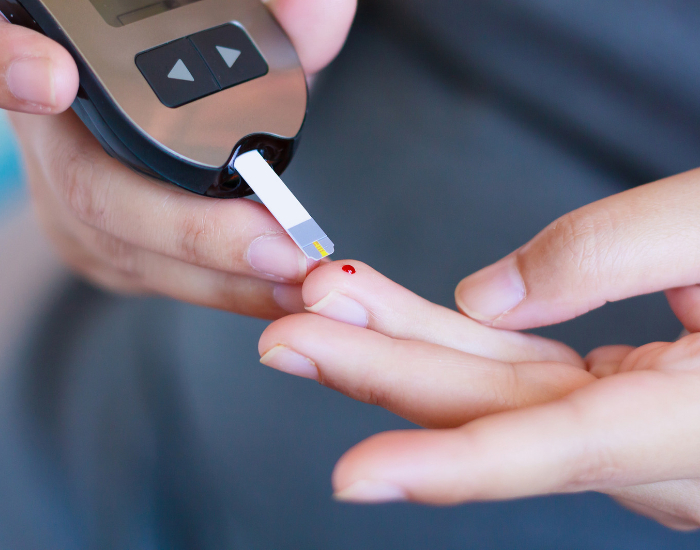
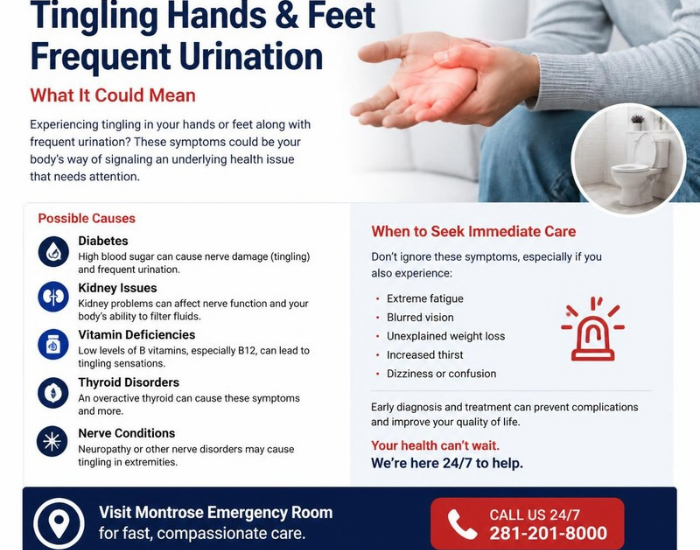
A heart attack in women may sometimes feel different than the classic severe chest pain many people expect. Some women experience chest pressure, heaviness, tightness, or burning, while others may mainly notice unusual fatigue, nausea, dizziness, shortness of breath, upper back pain, jaw pain, sweating, or discomfort in the neck, shoulder, or stomach area.
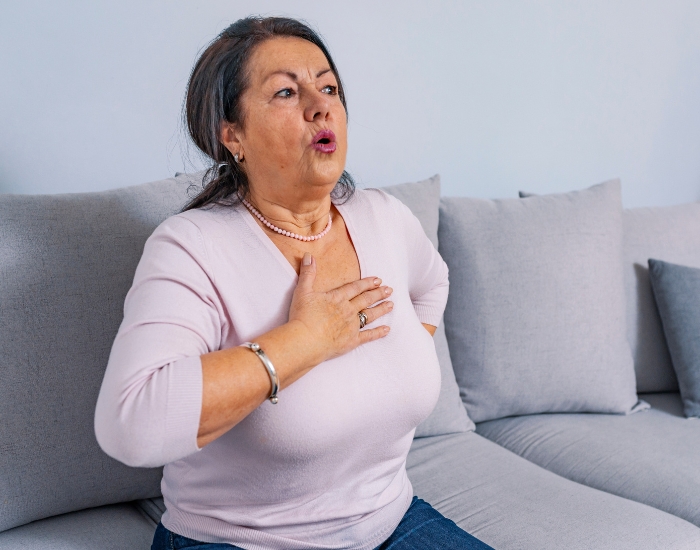
Because symptoms may sometimes feel mild, confusing, or unrelated to the heart, many women delay seeking emergency care. However, heart attacks can become life-threatening when blood flow to the heart becomes blocked.
You should consider emergency evaluation immediately if symptoms include chest pressure, difficulty breathing, fainting, severe weakness, cold sweats, nausea, dizziness, or pain spreading to the arm, jaw, neck, shoulder, or upper back.
Quick Note: Women may experience heart attack symptoms without severe chest pain. Unusual fatigue, nausea, dizziness, shortness of breath, or upper body discomfort should never be ignored.
Table of Contents
- Why Women Search About Heart Attack Symptoms
- What a Heart Attack May Feel Like in Women
- Common Heart Attack Symptoms in Women
- Why Symptoms in Women May Feel Different
- Do Women Always Have Chest Pain?
- Upper Back, Jaw, and Neck Pain
- Sudden Fatigue and Weakness
- Shortness of Breath and Dizziness
- Can Women Have a Silent Heart Attack?
- Who May Be at Higher Risk?
- When Should You Go to the ER?
- Frequently Asked Questions
- Final Thoughts
- Disclaimer
Why Women Search About Heart Attack Symptoms
Many women search online because symptoms may feel unusual, mild, or different from what they expected. Some women describe feeling pressure in the chest, unusual tiredness, burning discomfort, nausea, sweating, anxiety-like symptoms, or pain in the upper back or jaw.
Common searches include “What does a heart attack feel like in women?”, “Can women have heart attacks without chest pain?”, “Why do I feel pressure in my chest and back?”, “Can nausea and dizziness be heart symptoms?”, and “When should I go to the ER for chest pressure?”
Because heart attack symptoms in women may sometimes appear differently than in men, understanding warning signs may help women seek emergency care earlier.
Related symptoms may overlap with chest pain emergency evaluations and chest tightness and shortness of breath causes.
What a Heart Attack May Feel Like in Women
A heart attack in women may feel like pressure, squeezing, heaviness, fullness, burning, or discomfort in the chest. Some women describe symptoms as feeling like severe indigestion, tightness, heaviness, or difficulty catching breath.
Others may mainly notice unusual fatigue, dizziness, nausea, upper back pain, shoulder discomfort, jaw pain, sweating, or weakness.
Symptoms may appear suddenly or gradually over several hours or days. Some women initially think symptoms are stress, reflux, exhaustion, anxiety, or muscle strain.
However, symptoms involving chest pressure, breathing difficulty, weakness, sweating, or pain spreading through the upper body should always be taken seriously.
Common Heart Attack Symptoms in Women
Heart attack symptoms in women may include:
- Chest pressure or chest tightness
- Burning or squeezing chest discomfort
- Shortness of breath
- Upper back pain
- Jaw pain
- Neck or shoulder pain
- Nausea or vomiting
- Cold sweats
- Dizziness or fainting
- Unusual fatigue
- Rapid heartbeat
- Weakness or lightheadedness
Some women may experience several symptoms together, while others may only notice one or two warning signs.
Why Symptoms in Women May Feel Different
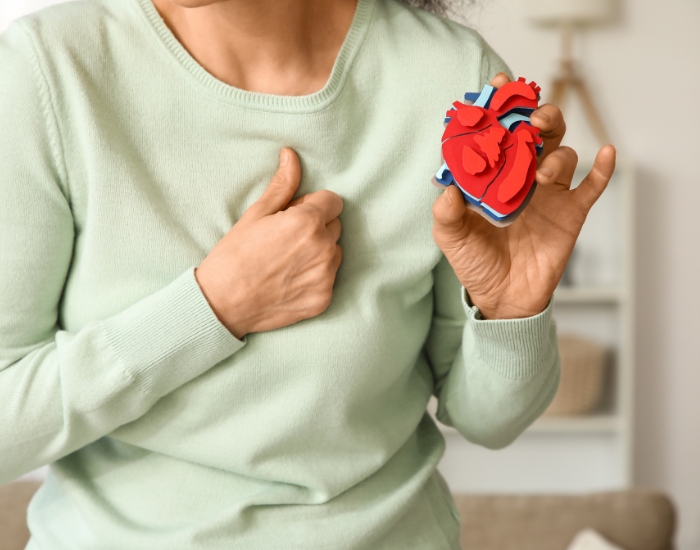
Heart attack symptoms in women may sometimes feel different because women may experience more subtle or less typical symptoms compared to the classic crushing chest pain often described in men.
Women may be more likely to experience nausea, unusual fatigue, dizziness, upper back pain, jaw discomfort, shortness of breath, or stomach-area discomfort.
Because symptoms may seem less obvious, some women delay emergency care or assume symptoms are related to anxiety, reflux, stress, or exhaustion.
Important: Heart attacks in women may happen without severe chest pain. Symptoms such as unusual fatigue, shortness of breath, nausea, dizziness, or upper back discomfort should never be ignored.
Do Women Always Have Chest Pain?
No. Some women experiencing a heart attack may not have severe chest pain. Instead, symptoms may feel like pressure, heaviness, burning, discomfort, tightness, or mild chest soreness.
Others may mainly experience fatigue, nausea, dizziness, sweating, or shortness of breath.
Even without strong chest pain, heart attack symptoms can still be dangerous and require emergency evaluation.
Upper Back, Jaw, and Neck Pain
Heart-related discomfort may sometimes spread to the upper back, neck, jaw, shoulder, or arm. Women may describe aching, pressure, soreness, burning, or heaviness in these areas.
Some women feel discomfort between the shoulder blades or pain moving into the jaw or left arm.
Pain spreading through the upper body together with chest pressure, weakness, nausea, or breathing difficulty should be evaluated urgently.
Sudden Fatigue and Weakness
Unusual fatigue may sometimes be an early warning sign of a heart attack in women. Some women describe feeling suddenly exhausted, weak, drained, or unable to complete normal daily activities.
Extreme fatigue may occur days before more obvious symptoms appear. Women may also notice dizziness, shakiness, sweating, or shortness of breath with activity.
Sudden severe fatigue combined with chest discomfort or breathing symptoms should never be ignored.
Shortness of Breath and Dizziness
Shortness of breath may occur before, during, or without severe chest discomfort. Some women feel unable to take a full breath or become winded with minimal activity.
Dizziness, lightheadedness, fainting, sweating, or rapid heartbeat may also occur when blood flow to the heart becomes reduced.
People experiencing shortness of breath emergencies or sudden dizziness and weakness may experience overlapping heart-related symptoms.
Can Women Have a Silent Heart Attack?
Yes. Some women may experience what is sometimes called a silent heart attack, where symptoms are mild, unusual, or mistaken for another condition.
Symptoms may include fatigue, mild chest discomfort, nausea, sweating, weakness, shortness of breath, or upper body pain.
Because symptoms may feel less dramatic, some women do not seek emergency care quickly enough.
Any concerning symptoms involving chest pressure, breathing difficulty, fainting, or upper body pain should be evaluated seriously.
Who May Be at Higher Risk?
Several factors may increase heart attack risk in women, including high blood pressure, diabetes, smoking, obesity, high cholesterol, family history of heart disease, stress, older age, lack of exercise, and certain medical conditions.
Women with diabetes may sometimes experience less typical symptoms, making early evaluation even more important.
Heart attacks can still happen in younger women, especially when multiple risk factors are present.
When Should You Go to the ER?
You should consider emergency evaluation immediately if symptoms include:
- Chest pressure or chest tightness
- Difficulty breathing
- Pain spreading to the jaw, arm, neck, shoulder, or upper back
- Cold sweats
- Nausea or vomiting
- Dizziness or fainting
- Sudden severe weakness
- Rapid heartbeat
- Confusion
- Symptoms that are sudden or worsening
At Montrose Emergency Room, emergency evaluation may include EKG testing, cardiac monitoring, blood testing, oxygen evaluation, imaging, and treatment based on the cause of symptoms.
People experiencing severe symptoms may also search signs of a silent heart attack.
Frequently Asked Questions
Do women always have chest pain during a heart attack?
No. Some women may mainly experience fatigue, nausea, shortness of breath, dizziness, or upper body discomfort rather than severe chest pain.
Can jaw pain be a heart attack symptom?
Yes. Heart attack discomfort may sometimes spread into the jaw, neck, shoulder, back, or arm.
Can nausea and sweating mean a heart attack?
Yes. Nausea, sweating, dizziness, weakness, and chest pressure may occur during a heart attack.
What does chest pressure from a heart attack feel like?
Some people describe chest pressure as squeezing, heaviness, fullness, tightness, or burning discomfort.
Can women have silent heart attacks?
Yes. Some women may experience mild or unusual symptoms that are mistaken for reflux, stress, exhaustion, or anxiety.
When should I go to the ER for heart attack symptoms?
You should seek emergency evaluation immediately if symptoms involve chest pressure, breathing difficulty, fainting, severe weakness, sweating, nausea, or pain spreading through the upper body.
Final Thoughts
Heart attack symptoms in women may include chest pressure, unusual fatigue, nausea, dizziness, upper back pain, jaw pain, shortness of breath, sweating, or weakness. Some women may not experience severe chest pain at all.
Because symptoms can feel mild, confusing, or unrelated to the heart, women sometimes delay seeking emergency care. However, prompt evaluation may help identify heart problems early and improve treatment outcomes.
If symptoms are sudden, severe, worsening, or associated with breathing difficulty, chest pressure, fainting, nausea, or upper body pain, emergency evaluation at Montrose Emergency Room may help provide timely care.
For severe or life-threatening symptoms, call 911 immediately.
Montrose Emergency Room – Houston Emergency Care
Montrose Emergency Room provides emergency evaluation and treatment for chest pain, heart attack symptoms, dizziness, breathing problems, nausea, weakness, rapid heartbeat, and other urgent medical conditions for adults and children in Houston.
Disclaimer
This content is for general educational purposes only and should not be used as a substitute for professional medical advice, diagnosis, or treatment. Chest pain, shortness of breath, fainting, severe weakness, sweating, dizziness, nausea, or upper body pain may represent serious medical emergencies.
If you believe you may be experiencing a medical emergency, call 911 immediately or seek emergency medical care.