Internal bleeding is one of those medical emergencies that can be difficult to recognize because the bleeding is hidden inside the body. Unlike a visible cut or wound, you may not see blood at all. Instead, your body sends warning signals that something is wrong. These symptoms can range from mild discomfort and fatigue to severe pain, dizziness, confusion, and life-threatening shock.
If you’ve ever wondered, “What does internal bleeding feel like?” the answer depends on where the bleeding occurs, how much blood is being lost, and how quickly it’s happening. Some people experience a dull ache that gradually worsens. Others feel sudden, intense pain, extreme weakness, or a sensation that something is seriously wrong.
Because internal bleeding can rapidly become dangerous, recognizing the signs of internal bleeding early is critical. Fast medical evaluation may help identify the source of bleeding before serious complications develop.
Table of Contents
- What Is Internal Bleeding?
- What Does Internal Bleeding Feel Like?
- Common Internal Bleeding Symptoms
- Symptoms Based on Where Bleeding Occurs
- What Causes Internal Bleeding?
- Signs of Internal Bleeding in the Abdomen
- Symptoms of Bleeding in the Brain
- Important Note
- When Should You Worry About Internal Bleeding?
- How Internal Bleeding Is Diagnosed
- How Internal Bleeding Is Treated
- When to Visit an ER in Houston
- Frequently Asked Questions
Important Note
Internal bleeding is not always obvious. Many people expect severe pain or visible blood, but some dangerous cases begin with symptoms such as dizziness, fatigue, weakness, confusion, or abdominal discomfort. Understanding these warning signs can help you recognize when emergency medical attention may be necessary.
What Is Internal Bleeding?
Internal bleeding occurs when blood escapes from damaged blood vessels and collects inside the body rather than leaving through an external wound. The bleeding may occur within organs, muscles, joints, body cavities, or the brain.
Even a relatively small amount of internal blood loss can cause symptoms depending on where it occurs. Larger amounts of bleeding can become life-threatening because the body’s organs depend on a steady supply of oxygen-rich blood to function properly.
Unlike external bleeding, internal bleeding may go unnoticed initially. This is one reason why it can be so dangerous. People sometimes dismiss early symptoms as fatigue, indigestion, dehydration, or a minor illness, allowing the underlying problem to worsen.
Internal bleeding can result from trauma, accidents, medical conditions, medications, ruptured blood vessels, ulcers, or surgical complications. Regardless of the cause, rapid diagnosis is often essential.
What Does Internal Bleeding Feel Like?
Many patients describe internal bleeding as a feeling that something is not right. The symptoms can vary dramatically depending on the location and severity of blood loss.
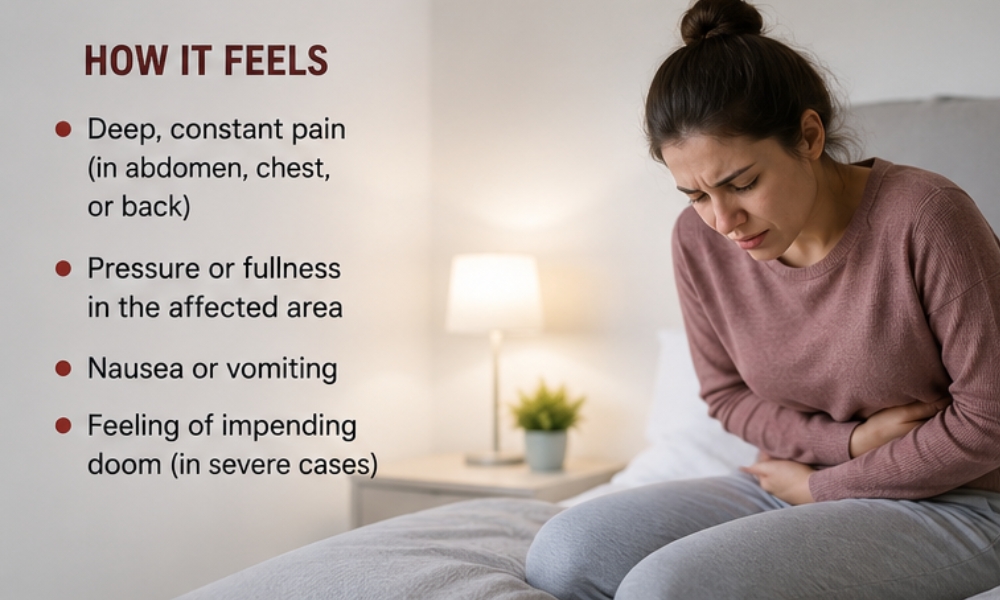
Some people experience a deep, persistent ache that doesn’t improve with rest. Others notice sudden sharp pain, pressure, swelling, dizziness, or weakness. As blood loss increases, symptoms often become more severe.
One of the most common sensations associated with internal bleeding is lightheadedness. As blood volume decreases, the brain may receive less oxygen-rich blood, leading to dizziness and faintness.
People frequently report symptoms such as:
- Feeling weak or unusually tired
- Dizziness or lightheadedness
- Fainting or near-fainting episodes
- Sudden abdominal pain
- Pressure inside the body
- Shortness of breath
- Confusion or difficulty concentrating
- Rapid heartbeat
Many individuals describe an overwhelming sense of weakness that seems disproportionate to what they are doing. Simple activities may suddenly feel exhausting.
If blood loss becomes significant, symptoms can escalate quickly and become life-threatening.
Patients experiencing severe dizziness alongside these symptoms should seek prompt medical evaluation. Dizziness may sometimes indicate significant blood loss, reduced circulation, or other serious conditions requiring emergency attention. Learn more about common emergency room symptoms that should not be ignored.
Common Internal Bleeding Symptoms
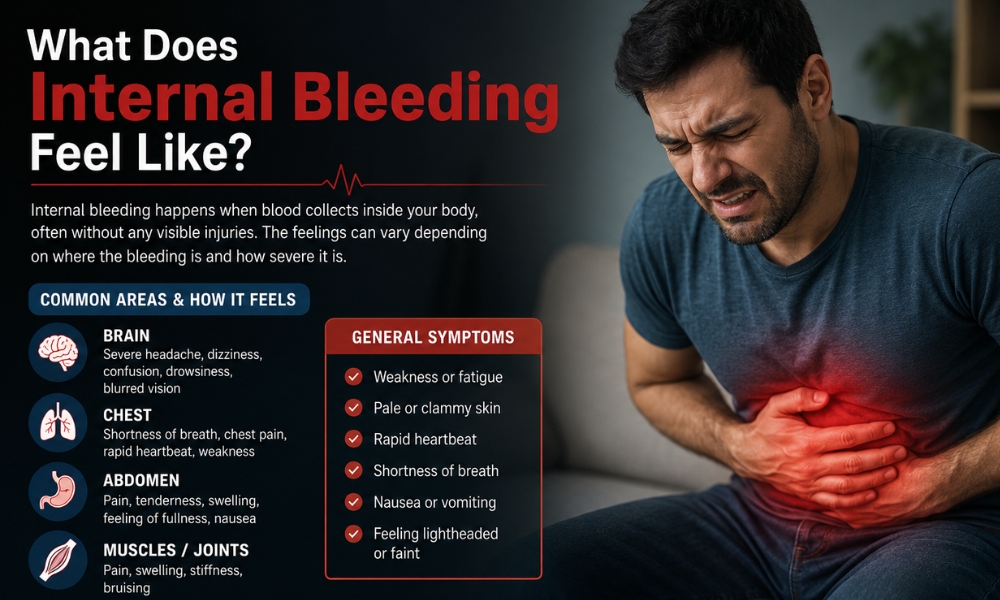
The signs of internal bleeding often depend on where the bleeding is occurring, but several symptoms are commonly reported across different types of internal hemorrhage.
One of the earliest symptoms is weakness. As the body loses blood, oxygen delivery to tissues decreases. This can create feelings of exhaustion even when a person has not been physically active.
Dizziness is also extremely common. Some people notice dizziness only when standing, while others feel constantly lightheaded.
Rapid heartbeat is another warning sign. The heart attempts to compensate for blood loss by pumping faster to maintain circulation throughout the body.
Other common symptoms include:
- Abdominal pain
- Swelling
- Bruising without a clear cause
- Nausea
- Vomiting
- Pale skin
- Cold or clammy skin
- Fatigue
- Shortness of breath
As blood loss worsens, symptoms may progress to confusion, altered mental status, fainting, and shock.
Symptoms Based on Where Bleeding Occurs
Internal bleeding can affect many different parts of the body, and the location often determines what symptoms a person experiences.
Bleeding in the abdomen may cause severe abdominal pain, bloating, tenderness, nausea, or visible swelling.
Bleeding inside muscles can lead to pain, swelling, and difficulty moving the affected area.
Internal bleeding around joints may cause stiffness, swelling, and limited range of motion.
Bleeding in the chest may result in chest pain, shortness of breath, dizziness, and rapid heart rate.
Bleeding inside the brain often produces neurological symptoms such as severe headache, confusion, weakness, speech difficulties, vision changes, or loss of consciousness.
Because symptoms vary significantly, medical evaluation is often necessary to determine the exact source of bleeding.
What Causes Internal Bleeding?
Internal bleeding can occur for many different reasons.
Traumatic injuries are among the most common causes. Motor vehicle accidents, falls, sports injuries, and blunt force trauma can damage blood vessels and internal organs.
After a significant accident, internal injuries may not always be obvious immediately. This is why medical evaluation following trauma can be critical. Patients involved in collisions should consider evaluation for auto accident injuries, even if symptoms initially seem mild.
Medical conditions can also cause internal bleeding. Examples include:
- Stomach ulcers
- Ruptured aneurysms
- Liver disease
- Certain cancers
- Inflammatory bowel diseases
- Blood clotting disorders
Some medications increase bleeding risk as well. Blood thinners, anticoagulants, and certain anti-inflammatory drugs can make bleeding more likely or more severe.
In some cases, bleeding develops gradually over time, while in others it begins suddenly and progresses rapidly.
Signs of Internal Bleeding in the Abdomen
The abdomen is one of the most common locations for internal bleeding.
Abdominal bleeding may result from trauma, ruptured organs, ulcers, surgical complications, or underlying medical conditions.
People often describe abdominal bleeding as intense pain that feels deep within the body rather than near the skin’s surface. The pain may worsen over time and can be accompanied by bloating or tenderness.
Common symptoms include:
- Severe stomach pain
- Abdominal swelling
- Nausea
- Vomiting
- Dizziness
- Weakness
- Pale skin
Because abdominal bleeding can progress rapidly, severe stomach pain should never be ignored. Conditions involving abdominal emergencies may require evaluation for severe stomach pain or advanced assessment of abdominal pain.
Symptoms of Bleeding in the Brain
Bleeding inside the brain is among the most serious forms of internal bleeding and requires immediate emergency treatment.
Unlike abdominal bleeding, which often causes pain and swelling, brain bleeding typically affects neurological function. Symptoms can appear suddenly and worsen quickly.
Common warning signs include:
- Severe headache
- Sudden confusion
- Difficulty speaking
- Loss of balance
- Vision problems
- Facial drooping
- Weakness on one side of the body
- Loss of consciousness
These symptoms may resemble a stroke because bleeding in the brain can disrupt normal brain function. Immediate medical evaluation is critical whenever these symptoms occur.
Patients experiencing neurological symptoms should seek emergency assessment for potential stroke-related symptoms or severe neurological emergencies.
Important Note
Not every case of internal bleeding causes dramatic symptoms right away. Some people remain awake, alert, and able to walk around even while dangerous blood loss is occurring internally. This is one reason internal bleeding can be deceptive. If symptoms seem to be worsening, if pain becomes severe, or if dizziness, weakness, confusion, or fainting develops, it is important to seek medical evaluation rather than assuming the problem will resolve on its own.
When Should You Worry About Internal Bleeding?
Any unexplained symptom that suggests significant blood loss should be taken seriously. While minor bruising or muscle injuries may heal without complications, internal bleeding can quickly become a life-threatening emergency depending on its location and severity.
You should seek immediate medical attention if you experience:
- Sudden severe abdominal pain
- Persistent dizziness or fainting
- Rapid heartbeat
- Shortness of breath
- Confusion or altered mental status
- Severe headache with neurological symptoms
- Large areas of unexplained bruising
- Vomiting blood
- Blood in stool
- Black, tarry stools
- Loss of consciousness
One of the most concerning aspects of internal bleeding is that symptoms may initially seem mild before worsening dramatically. Someone might first notice fatigue or dizziness and later develop signs of shock as blood loss increases.
Shock occurs when the body’s organs do not receive enough oxygen-rich blood to function properly. This is a medical emergency requiring immediate treatment.
Signs of shock may include:
- Extreme weakness
- Cold, clammy skin
- Rapid breathing
- Rapid pulse
- Confusion
- Severe dizziness
- Loss of consciousness
Emergency evaluation is particularly important after significant falls, sports injuries, workplace accidents, or motor vehicle collisions because internal injuries are not always visible from the outside.
How Internal Bleeding Is Diagnosed
Because internal bleeding occurs inside the body, diagnostic testing is often necessary to identify the source and determine how serious the situation may be.
Doctors typically begin by reviewing symptoms, medical history, medications, and any recent injuries or trauma. A physical examination may reveal tenderness, swelling, bruising, neurological changes, or signs of circulatory compromise.
Vital signs provide important clues. Low blood pressure, rapid heart rate, reduced oxygen levels, or abnormal breathing patterns may indicate significant blood loss.
Diagnostic testing may include:
- Blood tests
- Complete blood count (CBC)
- Coagulation studies
- CT scans
- Ultrasound imaging
- MRI scans
- X-rays
- Electrocardiograms (EKGs)
Advanced imaging is often one of the fastest ways to identify internal bleeding. CT scans, in particular, can help detect bleeding in the abdomen, chest, pelvis, and brain.
In emergency settings, physicians may use multiple diagnostic tools simultaneously to quickly determine whether bleeding is present and whether immediate intervention is needed.
Patients experiencing symptoms after a traumatic injury often benefit from comprehensive emergency evaluation because hidden internal injuries can occasionally be missed without imaging studies.
How Internal Bleeding Is Treated
Treatment depends on the cause, location, and severity of the bleeding.
Some small bleeding episodes may stop on their own and require careful monitoring. However, many cases need immediate medical intervention to prevent complications.
The first priority is stabilizing the patient. This may involve oxygen therapy, intravenous fluids, blood transfusions, or medications that help maintain blood pressure and circulation.
If bleeding is ongoing, doctors must identify and control the source. Depending on the situation, treatment may involve:
- Blood transfusions
- Intravenous fluids
- Emergency surgery
- Endoscopic procedures
- Interventional radiology techniques
- Medication adjustments
- Clotting factor replacement
For example, bleeding caused by stomach ulcers may require endoscopic treatment, while bleeding from traumatic organ injuries may require surgery.
When blood-thinning medications contribute to bleeding, physicians may use reversal medications to reduce the risk of continued blood loss.
The speed of treatment often plays a major role in recovery. Early diagnosis allows healthcare providers to intervene before severe complications such as shock, organ failure, or permanent damage occur.
Patients with severe symptoms may require continuous monitoring in an emergency setting while physicians determine the safest treatment plan.
Can Internal Bleeding Cause Dizziness?
Yes. Dizziness is one of the most common symptoms associated with internal bleeding.
As blood loss occurs, the body’s circulating blood volume decreases. This can reduce blood flow to the brain, causing lightheadedness, weakness, balance problems, and fainting sensations.
Some patients notice dizziness only when standing up. Others feel dizzy continuously, especially as blood loss becomes more significant.
If dizziness develops suddenly after an injury, alongside abdominal pain, chest pain, weakness, or unusual fatigue, emergency evaluation should be considered.
Severe dizziness combined with signs of blood loss can indicate a potentially dangerous condition requiring immediate diagnosis and treatment.
Can Internal Bleeding Cause Shortness of Breath?
Internal bleeding can sometimes lead to shortness of breath because reduced blood volume affects oxygen delivery throughout the body.
As blood loss increases, the heart must work harder to circulate oxygen. Patients may notice rapid breathing, chest discomfort, fatigue, or difficulty catching their breath.
Shortness of breath accompanied by dizziness, weakness, pale skin, or rapid heartbeat should never be ignored.
These symptoms may require emergency evaluation for serious medical conditions involving circulation, blood loss, or respiratory compromise. Patients experiencing these symptoms may benefit from prompt assessment for breathing difficulties and related emergencies.
Suspect Internal Bleeding? Don’t Wait to Get Evaluated.
Internal bleeding can become life-threatening if left untreated. Symptoms such as severe abdominal pain, dizziness, weakness, fainting, rapid heartbeat, confusion, or shortness of breath may indicate a medical emergency.
At Montrose Emergency Room, our board-certified physicians provide 24/7 emergency evaluation with advanced imaging, laboratory testing, and rapid diagnosis to identify serious conditions quickly.
When every minute matters, immediate emergency care can make a critical difference.
When to Visit an ER in Houston
Internal bleeding should never be considered a condition to monitor casually at home when symptoms are severe or worsening.
If you experience significant abdominal pain, dizziness, fainting, confusion, chest pain, shortness of breath, weakness, neurological symptoms, or symptoms following an injury, emergency evaluation is often necessary.
At Montrose Emergency Room, patients receive rapid assessment using advanced diagnostic technology, including CT imaging, laboratory testing, cardiac monitoring, and comprehensive emergency evaluation.
Because internal bleeding may involve the brain, abdomen, chest, or other vital organs, fast diagnosis is critical. Early intervention can help reduce complications and improve outcomes.
Whether symptoms develop after a vehicle accident, fall, sports injury, medical condition, or appear unexpectedly, immediate emergency care provides the opportunity to identify serious causes before they become life-threatening.
Patients searching for a 24-hour emergency room near me or seeking 24-hour emergency medical care in Houston should not delay evaluation when internal bleeding is suspected.
Frequently Asked Questions
What are the first signs of internal bleeding?
Early signs often include dizziness, weakness, fatigue, abdominal pain, nausea, rapid heartbeat, pale skin, and lightheadedness. Symptoms vary depending on where the bleeding occurs.
What does internal bleeding in the abdomen feel like?
Many people describe abdominal internal bleeding as deep, persistent pain accompanied by tenderness, bloating, dizziness, weakness, and nausea. Symptoms often worsen as bleeding continues.
Can you have internal bleeding without visible bruising?
Yes. Many cases of internal bleeding occur without any external bruising. This is why symptoms such as dizziness, pain, weakness, or fainting should be taken seriously, especially after an injury.
How long can internal bleeding go unnoticed?
This depends on the location and severity of bleeding. Some cases become obvious within minutes or hours, while slower bleeding may progress over days before symptoms become severe.
Can internal bleeding heal on its own?
Some minor bleeding episodes may stop naturally. However, many cases require medical treatment. Because it is difficult to determine severity without evaluation, suspected internal bleeding should be assessed by a healthcare professional.
When should I go to the ER for suspected internal bleeding?
You should seek emergency care immediately if you experience severe pain, dizziness, fainting, confusion, weakness, chest pain, shortness of breath, neurological symptoms, or signs of shock.
Medical Disclaimer
This article is for informational and educational purposes only and should not be used as a substitute for professional medical advice, diagnosis, or treatment. Internal bleeding can be a life-threatening medical emergency. If you suspect internal bleeding or experience severe symptoms such as dizziness, weakness, abdominal pain, fainting, confusion, chest pain, or shortness of breath, seek emergency medical care immediately.