Imagine waking up after a long night’s sleep, stretching your arms above your head—and suddenly, a sharp pain in your lower back makes you freeze. If this sounds familiar, you’re not alone. Lower back pain is one of the most common complaints, affecting millions of people worldwide. But here’s the good news: the right low back stretches can make a world of difference. Whether you’re dealing with back stiffness, soreness, or simply want to prevent future discomfort, incorporating a stretching routine into your daily life could be the key to finding relief. In this blog, we’ll walk you through the benefits of low back stretching exercises, the best stretches for back pain relief, and how to improve your lower back flexibility and mobility. With just a few minutes a day, you can transform your back health—let’s get started!
Table of Contents
- Why Low Back Stretching Matters
- Common Causes of Low Back Pain
- Best Stretches for Lower Back Pain Relief
- Key Stretches for Low Back Flexibility
- Lower Back Mobility Exercises for Pain Prevention
- Incorporating a Back Stretching Routine into Your Day
- When to Seek Medical Help for Back Pain
- Get Help at Montrose Emergency Room
- Final Thoughts
1. Why Low Back Stretching Exercises Matters
We’ve all been there: a long day of sitting at the desk, lifting something awkwardly, or simply overexerting ourselves. Our lower backs bear the brunt of much of our daily activities, making it a prime area for stiffness, pain, and discomfort. Stretching is a simple and effective way to target those muscles, improve flexibility, and reduce the risk of future injuries.
When done correctly, low back stretches help loosen tight muscles, improve circulation, and release tension. Over time, this can lead to better posture, enhanced flexibility, and even relief from chronic back pain. But what kind of stretches should you be doing to target those key muscles? Let’s explore.
2. Common Causes of Low Back Pain
Before diving into the stretches, it’s helpful to understand some of the common causes of low back pain:
-
Poor Posture: Sitting or standing with poor posture for long periods can lead to tightness and pain in the lower back.
-
Weak Core Muscles: A weak core puts extra strain on your lower back, leading to discomfort.
-
Muscle Strain: Lifting heavy objects incorrectly or sudden movements can strain the muscles in your lower back.
-
Degenerative Disc Disease or Arthritis: Chronic conditions can cause inflammation and pain in the spine, making it more difficult to move comfortably.
Low back stretches not only provide relief from these issues but also work to strengthen the muscles that support your spine, reducing the risk of future flare-ups.
3. Best Stretches for Lower Back Pain Relief
If you’re dealing with lower back pain, certain stretches can offer relief by targeting the muscles that contribute to discomfort. Here are a few of the best stretches for back pain relief:
-
Cat-Cow Stretch: Start on your hands and knees, and slowly arch your back towards the ceiling (Cat) and then dip your belly towards the floor (Cow). This movement helps stretch your spine and relieve tension in your lower back.
-
Knee-to-Chest Stretch: Lie on your back and bring one knee towards your chest, holding it for 20-30 seconds. Switch legs. This stretch helps release tension in your lower back and hips.
-
Child’s Pose: A yoga pose that’s perfect for stretching the lower back, hips, and thighs. From a kneeling position, reach your arms forward on the floor and sink your hips back towards your heels. Hold for 30 seconds to a minute for maximum benefit.
4. Key Stretches for Low Back Flexibility
Increasing your flexibility is crucial for improving overall movement and preventing future injuries. Here are some key stretches to help with low back flexibility:
-
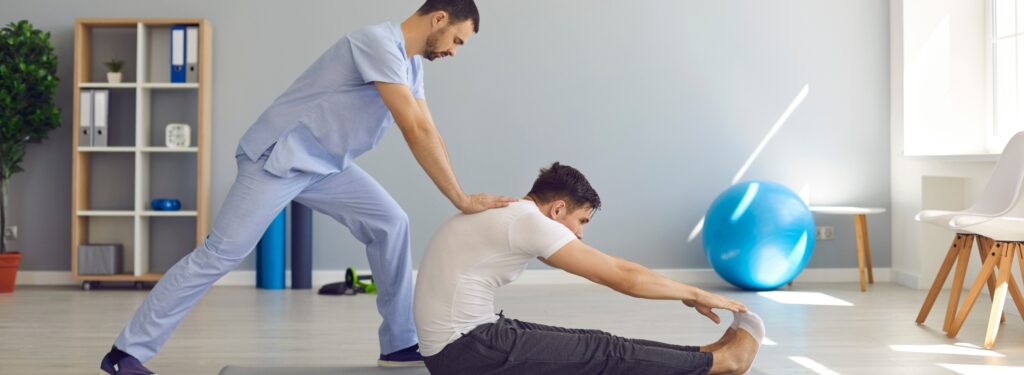
Seated Forward Bend: Sit with your legs extended straight in front of you. Slowly lean forward, reaching towards your toes. This stretch targets your hamstrings and lower back, helping to increase flexibility and reduce tightness.
-
Lunge Stretch: Step one leg forward into a lunge position, making sure your knee is at a 90-degree angle. Keep your back leg straight and your heel lifted. This stretch opens up your hip flexors and the muscles in your lower back.
-
Hip Flexor Stretch: Tight hip flexors can contribute to lower back pain. To stretch them, kneel on one knee and push your hips forward. You should feel a stretch in the front of your hip, which helps alleviate pressure on your lower back.
5. Lower Back Mobility Exercises for Pain Prevention
Mobility exercises are designed to improve the range of motion and flexibility in your lower back. These exercises can help reduce stiffness, improve posture, and prevent future pain. Here are a few to add to your routine:
-
Pelvic Tilts: Lie on your back with your knees bent and feet flat on the floor. Tighten your stomach muscles and push your lower back into the floor. Hold for a few seconds and repeat. This exercise strengthens your lower back and core muscles.
-
Bridge Exercise: Lie on your back with your knees bent and feet flat on the floor. Lift your hips towards the ceiling, squeezing your glutes and core muscles. This helps strengthen your lower back and glutes, reducing the strain on your spine.
-
Standing Back Bend: Stand tall with your feet shoulder-width apart. Place your hands on your hips and gently lean backward, pushing your hips forward and lifting your chest. This mobility exercise opens up your spine and helps improve flexibility.
6. Incorporating a Back Stretching Routine into Your Day
Consistency is key when it comes to preventing and relieving lower back pain. Make it a habit to stretch throughout the day—especially if you sit for long hours or engage in repetitive tasks. Start your morning with a few gentle stretches to warm up your muscles. Take short breaks during work hours to stand, move, and stretch. And before bed, do a few calming stretches to relax your back and improve sleep quality.
7. When to Seek Medical Help for Back Pain
While daily stretching can help ease mild to moderate back pain, some symptoms shouldn’t be ignored. If you experience sharp or severe pain, numbness, tingling, or if your discomfort persists for more than a few weeks, seek medical attention. These signs could point to a more serious issue like a herniated disc or nerve compression. Montrose Emergency Room is available 24/7 to provide fast, expert care for all types of back pain.
8. Get Help at Montrose Emergency Room
Low back pain doesn’t have to control your life. With the right stretches and exercises, you can improve flexibility, reduce pain, and prevent future injuries. However, if your symptoms worsen or you experience severe discomfort, don’t wait—seek medical attention. At Montrose Emergency Room in Houston, you’ll receive 24/7 care, no wait times, and compassionate treatment to help you manage back pain and get back to doing the things you love.
9. Final Thoughts
Lower back pain can sneak up on anyone—but with the right stretching routine, you can take control of your back health. By consistently incorporating low back stretches and mobility exercises into your day, you not only find relief but also strengthen your body to prevent future issues. Just a few minutes each day can help improve your posture, ease stiffness, and restore flexibility. And remember, if your pain persists or becomes severe, don’t ignore it. Prompt medical attention is key to avoiding complications and getting back on your feet.
Disclaimer
This blog is intended for informational purposes only and should not be considered medical advice. Always consult a qualified healthcare professional before starting any new exercise or treatment program, especially if you have an existing medical condition or injury. If you experience intense or persistent pain, visit Montrose Emergency Room for immediate evaluation and care.