Shortness of breath and chest discomfort can be frightening, especially when they happen at the same time. One moment you may feel like you cannot get a full breath, and the next you notice pressure, tightness, burning, or an uncomfortable sensation in your chest. It is natural to wonder whether anxiety is causing the symptoms or whether something more serious is happening.
Anxiety and panic attacks can cause chest pain, breathlessness, a racing heartbeat, dizziness, sweating, and a feeling of impending danger. However, those same symptoms can also occur with a heart attack, pulmonary embolism, abnormal heart rhythm, severe asthma, pneumonia, and other medical emergencies. Because the symptoms can overlap, it is not safe to assume that chest discomfort and shortness of breath are “just anxiety,” particularly when the symptoms are new, severe, unexplained, or different from what has happened before.

Quick Answer: When Is Shortness of Breath and Chest Discomfort an Emergency?
If you have sudden or severe shortness of breath with chest pressure, squeezing, heaviness, unexplained chest pain, fainting, severe dizziness, sweating, nausea, or pain spreading to your arm, back, neck, jaw, or upper abdomen, call 911 immediately. These can be warning signs of a heart attack or another serious emergency. Do not wait to see whether the symptoms are caused by anxiety.
Shortness of breath that begins suddenly with chest pain, rapid breathing, coughing up blood, fainting, or a fast heartbeat can also occur with a pulmonary embolism, which requires urgent medical evaluation.
Table of Contents
- Is It Anxiety or a Medical Emergency?
- Could Shortness of Breath and Chest Discomfort Mean a Heart Attack?
- How Anxiety and Panic Attacks Can Cause These Symptoms
- How Can You Tell Anxiety From a Medical Emergency?
- Warning Signs That Mean You Should Call 911
- Other Causes of Shortness of Breath and Chest Discomfort
- Could It Be a Blood Clot in the Lung?
- Asthma, Pneumonia, and Other Lung Problems
- When Should You Go to the ER?
- What Should You Do While Waiting for Help?
- How Is Shortness of Breath and Chest Discomfort Evaluated?
- What Treatment Might You Need?
- Emergency Care in Montrose Houston
- Frequently Asked Questions
- Final Thoughts
Is It Anxiety or a Medical Emergency?
There is no reliable way to determine from symptoms alone that chest discomfort and shortness of breath are caused by anxiety. Anxiety can produce very real physical symptoms, but potentially dangerous heart and lung conditions can produce similar sensations.
That overlap is why new chest discomfort should be taken seriously. A person having a heart attack may describe pressure rather than sharp pain. Another person may notice shortness of breath before feeling chest discomfort. Some people have symptoms that are mild at first or that come and go. The American Heart Association and CDC both identify chest discomfort and shortness of breath as important warning signs of a heart attack.
At the same time, anxiety and panic attacks can cause chest pain, difficulty breathing, dizziness, sweating, trembling, nausea, a racing heartbeat, and an intense feeling that something is terribly wrong. The National Institute of Mental Health notes that panic attacks can feel similar to a heart attack because of these physical symptoms.
The safest approach is therefore not to ask, “Does this feel like anxiety?” but rather, “Could this possibly be an emergency?” If the answer is yes, prompt medical evaluation is appropriate.
Could Shortness of Breath and Chest Discomfort Mean a Heart Attack?
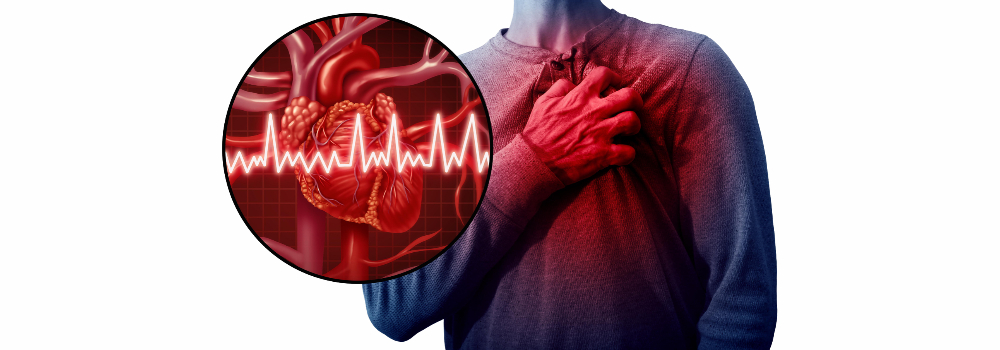
Yes. Shortness of breath and chest discomfort can be symptoms of a heart attack or another form of acute coronary syndrome.
A heart attack occurs when part of the heart muscle does not receive enough blood and oxygen. The longer the interruption of blood flow continues, the greater the potential damage to the heart muscle. Chest discomfort is common, but shortness of breath may occur with or without chest discomfort.
Chest discomfort associated with a heart attack may feel like:
- Pressure or heaviness in the chest
- Squeezing or tightness
- Fullness or uncomfortable pressure
- Aching or pain
- Burning or another unusual sensation
The discomfort may occur in the center or left side of the chest. It may last several minutes, disappear, and return. Some people experience pain or discomfort that spreads into the arm, shoulder, back, neck, jaw, or upper abdomen.
Other warning signs can include sweating, nausea, vomiting, lightheadedness, unusual weakness, or feeling faint. Women can also experience symptoms that may be less obviously associated with a heart attack, including unusual tiredness, nausea, shortness of breath, anxiety, or discomfort in the back, shoulder, or arm.
This is one reason it is risky to dismiss symptoms as anxiety simply because the chest sensation is not extremely painful.
Can a Heart Attack Cause Shortness of Breath Without Chest Pain?
Yes. Shortness of breath can occur before chest discomfort or without obvious chest pain. The CDC specifically notes that shortness of breath can be a heart attack symptom and may occur alongside chest discomfort or on its own.
If unexplained shortness of breath is sudden, severe, or accompanied by sweating, nausea, faintness, pressure, or discomfort in the upper body, treat it as a potential emergency rather than assuming anxiety is responsible.
How Anxiety and Panic Attacks Can Cause These Symptoms
Anxiety affects both the mind and the body. When the body responds to perceived danger or intense stress, hormones such as adrenaline can increase heart rate, breathing rate, muscle tension, and alertness. These changes can create sensations that feel alarming even when there is no immediate physical threat.
During a panic attack, symptoms can appear suddenly and may become intense within minutes. NIMH lists difficulty breathing, chest pain, racing or pounding heartbeat, sweating, trembling, dizziness, tingling, nausea, and a fear of dying or losing control among possible physical and emotional symptoms.
Anxiety-related breathing can also create a frustrating cycle. A person may notice that they cannot seem to take a satisfying breath. That sensation can trigger more fear. The fear can increase rapid breathing and heart awareness, which makes the person feel even more breathless.
For someone who has previously experienced medically evaluated panic attacks, the pattern may eventually become familiar. However, familiarity does not automatically make every future episode harmless. A new or significantly different episode still deserves medical attention when chest discomfort or breathing difficulty is present.
What Does Anxiety-Related Chest Discomfort Feel Like?
Anxiety-related chest discomfort can vary considerably. It may feel like tightness, pressure, aching, burning, stabbing, or a sensation of being unable to relax the chest muscles.
A panic attack may also involve a racing heartbeat, trembling, sweating, dizziness, tingling, nausea, or an intense fear that something terrible is happening. These symptoms can be very convincing and may genuinely feel like a heart problem.
However, there is no single chest-pain pattern that proves anxiety is the cause. Even people who have anxiety disorders can develop heart disease, lung disease, infections, blood clots, or other medical problems.
How Can You Tell Anxiety From a Medical Emergency?
This is one of the most important questions people ask when experiencing shortness of breath and chest discomfort. Unfortunately, there is no simple home test that can reliably separate anxiety from a heart attack or another dangerous condition.
Some features may make anxiety more likely, such as symptoms occurring during intense fear, a familiar pattern of previously diagnosed panic attacks, tingling, trembling, or symptoms that improve as the panic episode settles. But these clues are not enough to rule out a medical emergency.
On the other hand, symptoms that are sudden, severe, unexplained, persistent, or accompanied by additional warning signs should receive urgent medical attention.
Symptoms That Should Not Be Blamed on Anxiety Without Evaluation
Be especially cautious if shortness of breath and chest discomfort occur with:
- Chest pressure, squeezing, or heaviness
- Pain spreading to the arm, shoulder, back, neck, jaw, or upper abdomen
- Cold sweating
- Nausea or vomiting
- Fainting or near-fainting
- Severe dizziness or weakness
- A very fast or irregular heartbeat
- Sudden or severe breathing difficulty
- Coughing up blood
- Blue or gray lips or skin
- New confusion or unusual drowsiness
- Symptoms that begin during physical exertion
- Symptoms that are new or significantly different from previous anxiety episodes
These symptoms do not automatically mean a heart attack is occurring. They do mean that a potentially serious cause needs to be considered quickly.
Important: Do Not Try to Diagnose a Heart Attack at Home
Chest discomfort and shortness of breath can have many causes, including anxiety, acid reflux, muscle strain, asthma, infection, heart disease, abnormal heart rhythms, and blood clots. Symptoms alone cannot reliably rule out a heart attack or pulmonary embolism.
If symptoms are sudden, severe, unexplained, or accompanied by concerning warning signs, call 911. Emergency medical services can begin assessment and treatment while transporting you to emergency care.
Warning Signs That Mean You Should Call 911
Call 911 immediately if you experience shortness of breath and chest discomfort along with signs that could indicate a heart attack or another life-threatening condition.
1. Chest Pressure or Squeezing
Pressure, squeezing, fullness, or heaviness in the center of the chest is a classic heart attack warning sign. The sensation may last more than a few minutes or may go away and return.
2. Pain That Spreads Beyond the Chest
Discomfort can extend into one or both arms, the shoulders, back, neck, jaw, or upper abdomen. Pain does not have to remain directly over the heart to be important.
3. Severe or Sudden Shortness of Breath
Sudden breathing difficulty can occur during a heart attack, pulmonary embolism, severe asthma attack, pneumonia, or other urgent conditions. Severe shortness of breath should not automatically be attributed to anxiety.
4. Fainting or Severe Lightheadedness
Feeling as though you might pass out can occur with abnormal heart rhythms, reduced blood flow, pulmonary embolism, and other serious conditions. It can also occur during panic attacks, which is why the overall symptom pattern matters.
5. Cold Sweating, Nausea, or Unusual Weakness
Cold sweating, nausea, vomiting, unusual fatigue, or weakness can accompany a heart attack. These symptoms may be particularly important when they occur with chest discomfort or shortness of breath.
6. Coughing Up Blood or Sharp Pain With Breathing
These symptoms can occur with pulmonary embolism and require urgent evaluation, particularly when they are accompanied by sudden shortness of breath or a rapid heartbeat.
Other Causes of Shortness of Breath and Chest Discomfort
Heart attacks and panic attacks are not the only possibilities. Several other conditions can cause some combination of breathing difficulty and chest discomfort.
Acid Reflux and Heartburn
Acid reflux can cause burning or discomfort behind the breastbone. Some people mistake this sensation for a heart problem, while others may assume potentially serious cardiac symptoms are heartburn.
The two can sometimes feel remarkably similar. That is why new, unexplained, or significant chest discomfort should not be self-diagnosed as acid reflux simply because it occurs after eating.
Muscle Strain
Chest wall muscles can become irritated after exercise, lifting, coughing, or unusual physical activity. Musculoskeletal pain may be more noticeable when moving the upper body or pressing on a specific area.
Even so, the presence of tenderness does not always eliminate other causes. New chest discomfort should be evaluated in context.
Asthma
Asthma can cause shortness of breath, wheezing, coughing, and chest tightness. Symptoms may become worse after exposure to allergens, respiratory infections, exercise, smoke, or other triggers.
Severe difficulty breathing, inability to speak normally because of breathlessness, blue or gray lips, confusion, or worsening symptoms requires emergency care.
Pneumonia and Respiratory Infections
Respiratory infections can produce coughing, fever, chest discomfort, fatigue, and shortness of breath. Pneumonia can become serious, particularly when breathing becomes difficult or oxygen levels fall.
If breathing difficulty is significant, symptoms are rapidly worsening, or there is severe chest pain, emergency evaluation may be appropriate.
Abnormal Heart Rhythms
Arrhythmias can cause a racing, pounding, fluttering, or irregular heartbeat. Some people also experience shortness of breath, chest pressure, dizziness, weakness, or fainting.
A very fast or irregular heartbeat accompanied by chest discomfort, shortness of breath, fainting, or severe dizziness requires prompt medical attention.
Could It Be a Blood Clot in the Lung?
A pulmonary embolism occurs when a blood clot travels to the lungs and blocks a blood vessel. It can be life-threatening and may cause sudden shortness of breath, chest pain that may worsen with deep breathing, rapid breathing, or an increased heart rate. Some people also experience coughing, coughing up blood, sweating, lightheadedness, or fainting.
A pulmonary embolism can sometimes feel like severe anxiety. The sudden inability to breathe comfortably may trigger fear or a feeling of impending doom. Anxiety can therefore be part of the symptom experience even when the underlying problem is physical.
Possible clues that deserve particular attention include recent prolonged immobility, a recent surgery or hospitalization, a history of blood clots, or swelling and tenderness in one leg. These risk factors do not diagnose a pulmonary embolism, but they can increase concern.
If sudden shortness of breath occurs with chest pain, fainting, coughing up blood, or other concerning symptoms, seek emergency medical care immediately.
Asthma, Pneumonia, and Other Lung Problems
Not every episode involving breathing difficulty and chest discomfort originates in the heart.
Asthma can tighten the airways and make it difficult to move air comfortably. Respiratory infections can inflame the airways or lungs. Pneumonia can affect oxygen exchange and cause chest discomfort, fever, coughing, and shortness of breath.
Other lung conditions can also cause chest symptoms. A collapsed lung, for example, can produce sudden chest pain and shortness of breath. Because several lung emergencies can begin abruptly, sudden breathing difficulty should not automatically be treated as anxiety.
The key question is not whether anxiety is possible. It is whether a serious physical cause has been safely ruled out.
When Should You Go to the ER?
If shortness of breath and chest discomfort are new, unexplained, moderate to severe, or accompanied by warning signs, an emergency room is the appropriate place for evaluation.
The ER is particularly appropriate when the symptoms could involve the heart, lungs, or circulation because emergency departments can perform time-sensitive testing and treatment when necessary.
For example, evaluation of acute chest symptoms may include an electrocardiogram, blood tests such as cardiac biomarkers, monitoring of heart rhythm and vital signs, and imaging when clinically appropriate. Chest-pain guidelines emphasize early evaluation because the first priority is identifying or excluding life-threatening causes.
Should You Go to Urgent Care or the ER for Chest Discomfort?
If chest discomfort is severe, unexplained, associated with shortness of breath, or accompanied by symptoms such as sweating, nausea, dizziness, arm pain, jaw pain, or pressure, the ER is generally the safer setting.
Urgent care may be appropriate for some less serious symptoms, but it is not designed to replace emergency evaluation when a heart attack, pulmonary embolism, severe breathing problem, or another potentially life-threatening condition is possible.
Montrose Emergency Room specifically provides 24/7 emergency evaluation for chest pain and related symptoms, including access to cardiac testing, diagnostic imaging, laboratory services, and emergency treatment.
What Should You Do While Waiting for Help?
If you believe you may be experiencing a heart attack or another serious emergency, call 911 rather than trying to diagnose yourself at home.
Do not drive yourself if you are having significant chest discomfort, severe shortness of breath, fainting, or other symptoms that could indicate a medical emergency. Emergency medical personnel can begin assessment and care during transport, and calling 911 can help get you into the emergency system more quickly.
While waiting for help, sit or rest in a safe position and avoid unnecessary physical exertion. If another person is present, tell them what symptoms you are experiencing and when they started.
If you have been previously diagnosed with panic attacks and the symptoms are identical to your usual episodes, anxiety may be contributing. However, chest discomfort or breathing difficulty that is new, more intense, longer-lasting, or otherwise different should not be assumed to be another panic attack.
How Is Shortness of Breath and Chest Discomfort Evaluated?
When you arrive for emergency evaluation, the medical team will first assess how stable you are and look for signs that require immediate treatment.
The evaluation may include questions about when the symptoms started, what you were doing at the time, whether the discomfort moves to another part of the body, how severe it is, and whether you have experienced similar symptoms before.
The medical team may also ask about medical history and risk factors, including heart disease, high blood pressure, diabetes, smoking, high cholesterol, previous blood clots, recent surgery, prolonged immobility, asthma, or other conditions.
Electrocardiogram
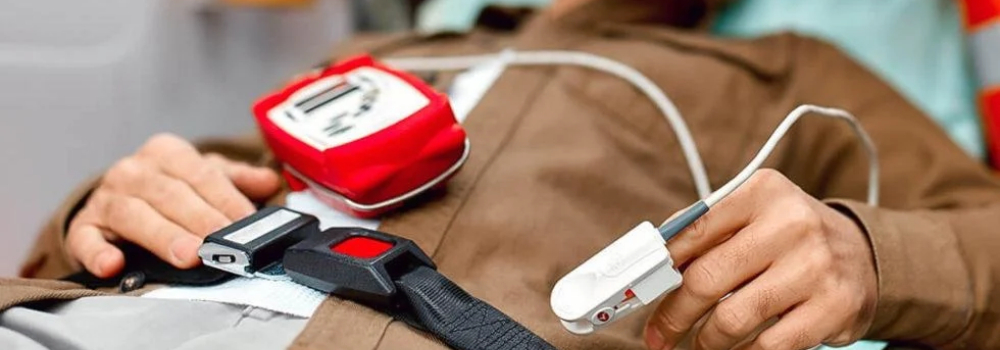
An electrocardiogram, commonly called an EKG or ECG, records the electrical activity of the heart. It can help identify signs of a heart attack or abnormal heart rhythm.
Blood Tests
Blood tests can help identify evidence of heart muscle injury and may be repeated over time when clinically appropriate. High-sensitivity cardiac troponin testing is an important tool used in the evaluation of suspected acute coronary syndrome.
Imaging
Depending on the symptoms and examination, imaging may be used to evaluate the lungs, heart, blood vessels, or other structures. A chest X-ray can help assess certain lung conditions. CT imaging may be appropriate in specific situations, including evaluation for pulmonary embolism when clinical assessment indicates it.
Oxygen and Vital Signs
Heart rate, blood pressure, breathing rate, oxygen saturation, temperature, and other vital signs can provide important information about the severity and possible cause of symptoms.
The purpose of emergency testing is not simply to determine whether someone is having a heart attack. It is also to look for other potentially dangerous causes of chest discomfort and shortness of breath.
What Treatment Might You Need?
Treatment depends entirely on the cause.
If the symptoms are caused by a heart attack or acute coronary syndrome, emergency treatment focuses on restoring or improving blood flow to the heart and limiting heart muscle damage. The exact treatment depends on the specific diagnosis and severity.
If a pulmonary embolism is identified, treatment focuses on the blood clot and the patient’s overall stability. If asthma is responsible, treatment may focus on opening the airways and improving breathing. Pneumonia or another infection may require treatment directed at the underlying infection.
If emergency evaluation does not identify a dangerous physical cause and the symptoms are consistent with anxiety or panic, follow-up care can focus on anxiety management. Treatment for panic disorder can include psychotherapy, particularly cognitive behavioral therapy, and medication when appropriate.
Importantly, receiving reassurance after a proper medical evaluation is different from assuming at home that chest discomfort is anxiety.
Emergency Care in Montrose Houston
For patients in Montrose and surrounding Houston communities, Montrose Emergency Room provides 24/7 emergency care at 1110 W. Gray St #101, Houston, TX 77019.
The facility is positioned minutes from Midtown, River Oaks, and Downtown Houston and provides emergency evaluation for chest pain, breathing difficulties, injuries, infections, and other urgent medical conditions. The facility reports board-certified physicians and access to diagnostic services including EKGs, X-rays, and CT scans.
Chest discomfort with shortness of breath is one of the situations where timely evaluation matters. Montrose Emergency Room’s chest pain service specifically advises patients to seek emergency care for concerning chest symptoms, including chest discomfort that may radiate to the arms, neck, or jaw.
For symptoms that could represent a heart attack, severe breathing emergency, or another life-threatening condition, call 911. If the situation is urgent but stable enough for emergency evaluation, Montrose Emergency Room is available 24 hours a day.
Don’t Guess When Chest Symptoms Are Unexplained
Shortness of breath and chest discomfort can come from anxiety, but they can also signal a heart or lung emergency. When symptoms are sudden, severe, unexplained, or accompanied by warning signs, prompt emergency evaluation is the safer choice.
Montrose Emergency Room
1110 W. Gray St #101
Houston, TX 77019
Open 24/7
Frequently Asked Questions
Can anxiety cause shortness of breath and chest discomfort?
Yes. Anxiety and panic attacks can cause shortness of breath, chest pain or tightness, a racing heartbeat, dizziness, sweating, trembling, nausea, and a sense of impending danger. However, these symptoms can also occur with heart and lung emergencies, so new or concerning symptoms should not automatically be attributed to anxiety.
How do I know if shortness of breath is anxiety or a heart problem?
You cannot reliably tell from symptoms alone. Anxiety can mimic heart problems, while heart problems can sometimes produce symptoms that feel like anxiety. Chest pressure, shortness of breath, pain spreading to the arm, back, neck, or jaw, sweating, nausea, fainting, or severe dizziness are reasons to seek emergency care.
Can a panic attack feel like a heart attack?
Yes. Panic attacks can cause chest pain, difficulty breathing, racing or pounding heart, dizziness, sweating, trembling, nausea, and a fear of dying. These symptoms can feel very similar to a heart attack.
Can a heart attack feel like anxiety?
Yes. Some heart attacks may cause shortness of breath, unusual fatigue, sweating, nausea, dizziness, or anxiety-like sensations. Women may be more likely to experience symptoms that are not immediately recognized as classic heart attack symptoms.
Can shortness of breath happen without chest pain during a heart attack?
Yes. Shortness of breath can occur with or without chest discomfort and may sometimes appear before chest discomfort.
When should I call 911 for chest discomfort?
Call 911 for sudden or unexplained chest discomfort, especially when it occurs with shortness of breath, pressure or squeezing, sweating, nausea, fainting, severe dizziness, or discomfort spreading to the arm, back, neck, jaw, or upper abdomen. The American Heart Association recommends calling 911 when heart attack warning signs are present.
Can a blood clot cause chest discomfort and shortness of breath?
Yes. A pulmonary embolism can cause sudden shortness of breath and chest pain, particularly pain that may worsen with deep breathing. Rapid breathing, an increased heart rate, coughing, coughing up blood, sweating, dizziness, or fainting may also occur.
Should I go to urgent care or the ER for shortness of breath and chest discomfort?
If the symptoms are severe, sudden, unexplained, or associated with concerning symptoms, the emergency room is the safer choice because potentially life-threatening heart and lung conditions need to be evaluated quickly. For severe symptoms, call 911 rather than driving yourself.
Can heartburn cause chest discomfort and shortness of breath?
Heartburn and acid reflux can cause chest discomfort, but it can be difficult to distinguish reflux from cardiac symptoms based on sensation alone. New or unexplained chest discomfort should not automatically be assumed to be heartburn, particularly when shortness of breath or other warning signs are present.
Can stress cause chest tightness?
Yes. Stress and anxiety can contribute to chest tightness, changes in breathing, rapid heartbeat, sweating, and dizziness. However, stress can also occur at the same time as a physical medical problem, so significant or unusual chest symptoms still require appropriate evaluation.
Can anxiety cause a racing heartbeat and shortness of breath?
Yes. Anxiety and panic attacks can cause a racing or pounding heartbeat along with shortness of breath. These symptoms can be intense, but similar symptoms can also occur with abnormal heart rhythms and other medical conditions.
What if my chest discomfort goes away?
Do not assume that a serious problem has been ruled out simply because the discomfort disappears. Heart attack symptoms can come and go. If the symptoms were sudden, unexplained, or accompanied by shortness of breath or other warning signs, seek medical evaluation.
Final Thoughts
Shortness of breath and chest discomfort can absolutely occur during anxiety or a panic attack. That does not mean every episode involving these symptoms is anxiety.
The most important distinction is whether a potentially dangerous physical cause has been ruled out. Heart attacks, acute coronary syndrome, pulmonary embolism, abnormal heart rhythms, severe asthma, pneumonia, and other conditions can produce symptoms that overlap with anxiety.
When chest discomfort and shortness of breath are sudden, severe, unexplained, or accompanied by sweating, nausea, fainting, dizziness, pain spreading to the arm or jaw, coughing up blood, or severe weakness, do not wait for the symptoms to become more obvious. Call 911 and seek emergency medical care.
For less severe but new or unexplained symptoms, prompt medical evaluation can provide an important answer and peace of mind. If emergency testing rules out a dangerous physical condition and anxiety is determined to be contributing to the symptoms, appropriate treatment and follow-up can then address the underlying anxiety.
The goal is not to assume the worst. It is to avoid assuming something harmless before serious causes have been considered.
Medical Disclaimer
This article is intended for general educational purposes and does not replace professional medical evaluation, diagnosis, or treatment. Shortness of breath and chest discomfort can have many causes, including potentially life-threatening conditions. If symptoms are severe, sudden, unexplained, or associated with signs of a heart attack, pulmonary embolism, severe breathing difficulty, fainting, or another emergency, call 911 or seek emergency medical care immediately.