Many people experience headaches and immediately wonder if their blood pressure is to blame. It’s a common concern in emergency rooms: a patient walks in feeling pressure in their head, sometimes dizziness or nausea, and asks, “Is this because my blood pressure is high?”
The answer is not always straightforward. High blood pressure—also known as hypertension—does not usually cause symptoms in most people. However, when blood pressure becomes dangerously elevated, it can lead to headaches and other serious warning signs that should never be ignored.
Understanding when a headache is harmless and when it signals a medical emergency can make a real difference in preventing complications like stroke or organ damage.
Important Note
Most everyday headaches are NOT caused by high blood pressure. However, extremely high blood pressure levels (hypertensive crisis) can trigger headaches and dangerous complications. Knowing the difference helps you decide when emergency care is needed.
Table of Contents
- Is There a Real Link Between Blood Pressure and Headaches?
- Why Severe Blood Pressure Can Cause Headaches
- Types of Headaches Linked to Hypertension
- Dangerous Symptoms You Should Never Ignore
- What Is a Hypertensive Crisis?
- How High Blood Pressure Affects the Brain
- When Should You Worry About Headaches With High BP?
- Important Medical Perspective
Is There a Real Link Between Blood Pressure and Headaches?
One of the biggest misconceptions in healthcare is that mild or moderate high blood pressure directly causes headaches. In reality, most people with hypertension feel completely normal.
Blood pressure can remain elevated for years without producing noticeable symptoms. This is why hypertension is often called the “silent killer.”
However, when blood pressure rises to very dangerous levels—especially suddenly—it can affect blood vessels in the brain. This is when headaches may occur.
So the connection is not simple. It is not everyday high blood pressure that causes headaches, but severely uncontrolled or rapidly rising blood pressure.
Why Severe Blood Pressure Can Cause Headaches
The brain depends on delicate blood vessels that regulate pressure and oxygen flow. When blood pressure spikes too high, these vessels can become strained.
This increased pressure may irritate surrounding tissues and lead to pain signals that are felt as a headache. In some cases, the brain’s ability to regulate pressure becomes overwhelmed.
This is especially concerning when blood pressure rises suddenly, as the body does not have time to adjust.
Headaches caused by high blood pressure are often described as intense, throbbing, and different from usual tension headaches.
Types of Headaches Linked to Hypertension
When high blood pressure is involved, headaches tend to feel more severe than typical stress-related headaches.
Some patients describe a pounding sensation, often concentrated at the back of the head or around the temples. Others report a heavy pressure that worsens over time.
These headaches may also come with other symptoms like blurred vision, nausea, or dizziness, which can indicate more serious blood pressure elevation.
Dangerous Symptoms You Should Never Ignore
Headaches alone are not always dangerous—but when they appear with other symptoms, they can signal a medical emergency.
If you experience severe headache along with chest pain, shortness of breath, confusion, vision changes, or difficulty speaking, you should seek immediate medical attention.
These symptoms may indicate that high blood pressure is affecting the brain or heart.
Another warning sign is a headache that comes on suddenly and feels unusually intense compared to your normal headaches.
What Is a Hypertensive Crisis?
A hypertensive crisis happens when blood pressure rises to extremely dangerous levels, typically above 180/120 mmHg.
At this level, blood vessels are under extreme strain, and organs such as the brain, heart, and kidneys can be affected.
This is the stage where headaches may occur, along with other serious symptoms like nosebleeds, chest pain, or severe anxiety.
A hypertensive crisis is a true medical emergency and requires immediate evaluation in an emergency room.
How High Blood Pressure Affects the Brain
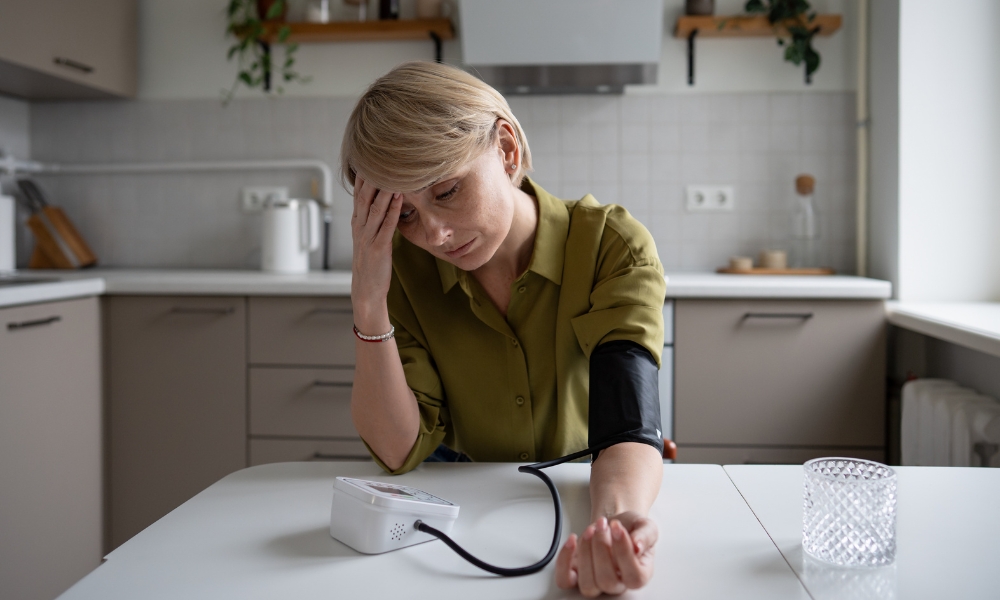
When blood pressure rises significantly, it impacts the blood vessels in the brain. These vessels may tighten or become irritated due to increased force of blood flow.
This can temporarily disrupt normal circulation, which may trigger pain signals and neurological symptoms.
In severe cases, uncontrolled hypertension can increase the risk of stroke or brain swelling, which is why persistent or severe headaches should never be ignored.
When Should You Worry About Headaches With High BP?
You should worry when a headache feels different from your usual pattern and is accompanied by signs of high blood pressure.
If you check your blood pressure and find it significantly elevated along with headache, dizziness, or visual disturbances, it should be taken seriously.
Headaches that do not improve with rest or pain relief medication may also require urgent evaluation.
The key concern is not just the headache itself—but the combination of symptoms and how suddenly they appear.
Important Medical Perspective
Even though many headaches are harmless, high blood pressure-related headaches can indicate a dangerous underlying condition. The safest approach is not to assume—but to evaluate. Early treatment can prevent complications such as stroke, heart strain, or organ damage.
How Doctors Diagnose Headaches Related to High Blood Pressure
When a patient comes to the emergency room with a headache and elevated blood pressure, doctors don’t immediately assume the blood pressure is the only cause. Instead, they evaluate both the symptoms and the underlying reason for the spike.
The first step is a detailed clinical assessment. Physicians will ask when the headache started, how severe it feels, whether it came on suddenly, and if it is different from previous headaches. This conversation is often just as important as the numbers on the blood pressure monitor.
Next, blood pressure readings are taken repeatedly to confirm whether the elevation is persistent or temporary. Stress, pain, or anxiety alone can sometimes raise blood pressure temporarily, so multiple readings help avoid misinterpretation.
If needed, additional tests may be performed. These can include blood work to check kidney function, electrolyte balance, and signs of infection. In some cases, imaging such as a CT scan of the head may be used if neurological symptoms are present.
All of these steps help doctors determine whether the headache is a primary headache disorder or a symptom of a more serious hypertensive condition.
Learn more about common emergency symptoms
Treatment Options for High Blood Pressure Headaches
Treatment depends entirely on the severity of blood pressure elevation and the associated symptoms. If blood pressure is mildly elevated, the headache may be treated conservatively with monitoring, rest, and addressing underlying triggers like stress or dehydration.
However, if blood pressure is dangerously high, the focus shifts to safely lowering it in a controlled medical environment. This is important because sudden drops in blood pressure can also be harmful if not managed correctly.
In an emergency setting, medications may be given to gradually reduce blood pressure while monitoring heart and brain function. Pain relief may also be provided once serious causes are ruled out.
The goal is not only to relieve the headache but to prevent complications such as stroke, heart strain, or kidney damage.
24/7 Emergency Care in Houston
How to Prevent Headaches Related to High Blood Pressure
Long-term prevention focuses on controlling blood pressure consistently rather than reacting only when symptoms appear. Many people do not realize they have hypertension until a routine check or emergency visit reveals it.
Healthy lifestyle habits can significantly reduce the risk of both high blood pressure and related headaches. This includes reducing sodium intake, maintaining a balanced diet, staying physically active, and managing stress effectively.
Regular sleep patterns also play a major role in cardiovascular health. Poor sleep can increase both blood pressure and headache frequency.
If you have been diagnosed with hypertension, taking prescribed medication regularly and monitoring your blood pressure at home can help prevent sudden spikes that may trigger symptoms.
Can Stress Alone Cause Both Headaches and High Blood Pressure?
Yes, stress is one of the most common overlapping triggers for both headaches and temporary increases in blood pressure. When the body is under stress, it releases hormones that tighten blood vessels and increase heart rate.
This response is natural and short-term, but when stress becomes chronic, it can contribute to long-term hypertension and recurring headaches.
However, stress-related symptoms can closely resemble more serious conditions, which is why persistent or unusual headaches should not be ignored even if stress seems like the cause.
When Should You Worry About Headaches With High Blood Pressure?
The key question many patients ask is not just whether high blood pressure can cause headaches—but when it becomes dangerous.
You should worry when a headache is sudden, severe, and different from your usual experience. You should also take it seriously if it occurs along with symptoms like chest pain, blurred vision, confusion, difficulty speaking, or shortness of breath.
Another red flag is a blood pressure reading consistently above 180/120 mmHg accompanied by headache. This combination is considered a hypertensive crisis and requires emergency care.
Even if symptoms improve temporarily, repeated episodes should always be evaluated by a medical professional.
Important Note
A headache alone does not always indicate a dangerous blood pressure level. However, when combined with neurological or cardiovascular symptoms, it may signal a serious medical condition. Never rely on symptoms alone to judge severity—clinical evaluation is always the safest choice.
When High Blood Pressure Headaches Become an Emergency
There are specific situations where a headache combined with high blood pressure requires immediate emergency attention. These include sudden onset of severe headache, especially if it feels like the “worst headache of your life.”
If the headache is accompanied by neurological symptoms such as weakness on one side of the body, vision changes, confusion, or difficulty speaking, it may indicate a possible stroke or hypertensive emergency.
Chest pain, severe anxiety with physical distress, or fainting are also warning signs that should never be ignored.

Emergency Care for High Blood Pressure and Headaches in Houston
If you are experiencing severe headache along with high blood pressure in Houston, immediate evaluation is available at Montrose Emergency Room. Our facility provides 24/7 no-wait emergency care for patients experiencing neurological symptoms, chest discomfort, or dangerously elevated blood pressure.
We use advanced diagnostic tools such as EKG, CT scans, and rapid laboratory testing to quickly determine whether symptoms are related to hypertensive crisis, stroke risk, or another underlying condition.
Our board-certified physicians specialize in emergency cardiovascular and neurological assessment, ensuring fast and accurate treatment when every minute matters.
If you are searching for “ER near me for high blood pressure headache in Houston”, timely care can prevent serious complications and provide peace of mind.
Chest Pain Emergency Care |
Breathing Difficulty ER |
Sepsis Emergency Care |
Accident Injury ER Houston |
Pediatric Emergency Care |
Urgent Care vs ER
Don’t Wait in a Medical Emergency
If you or someone you love is experiencing a severe headache with very high blood pressure, chest pain, confusion, or vision changes, seek emergency care immediately. At Montrose Emergency Room, we provide 24/7 rapid evaluation with no wait time so you can get treated without delay.
Frequently Asked Questions
Can high blood pressure really cause headaches?
Yes, but usually only when blood pressure becomes dangerously high or rises suddenly. Most mild hypertension does not cause headaches.
What type of headache is linked to high blood pressure?
It is often described as a severe, throbbing headache that may be accompanied by dizziness, vision changes, or nausea.
When should I go to the ER for high blood pressure headache?
If the headache is severe, sudden, or accompanied by chest pain, confusion, or shortness of breath, you should go to the ER immediately.
Can anxiety raise blood pressure and cause headaches?
Yes, anxiety can temporarily raise blood pressure and trigger tension-type headaches, but persistent symptoms should still be evaluated.
How is hypertensive crisis treated?
It is treated in a controlled medical environment using medications that safely lower blood pressure while monitoring vital organs.
Medical Disclaimer
This article is for educational purposes only and does not replace professional medical advice. If you are experiencing severe symptoms or a medical emergency, seek immediate evaluation from a qualified healthcare provider or emergency room.