Understanding the Risks of High Blood Pressure
Many people think high blood pressure is only a long-term health concern, something to monitor during routine checkups. However, certain high blood pressure symptoms can indicate immediate danger. Feeling dizzy, experiencing chest tightness, or noticing blurred vision may prompt confusion—are these minor issues or signs of a serious emergency? Knowing which symptoms require ER attention near me can save lives.
High blood pressure, medically called hypertension, can quietly damage the heart, brain, and kidneys over time. In some cases, it escalates rapidly, becoming dangerous. Recognizing these dangerous high blood pressure symptoms early is critical for preventing heart attacks, strokes, and kidney failure.
What Makes High Blood Pressure Dangerous?
High blood pressure becomes dangerous when it rises suddenly or remains uncontrolled over time. The heart has to work harder to pump blood, which can strain the cardiovascular system. This strain can cause:
-
Damage to blood vessels
-
Weakening of the heart muscle
-
Increased risk of aneurysms or strokes
-
Kidney damage from impaired blood flow
People with normally controlled blood pressure may still experience sudden dangerous spikes. Awareness of the symptoms of high blood pressure is essential to act quickly and seek emergency care.
Common Dangerous High Blood Pressure Symptoms
While hypertension is often silent, certain warning signs indicate danger. Look out for:
-
Severe headaches that appear suddenly
-
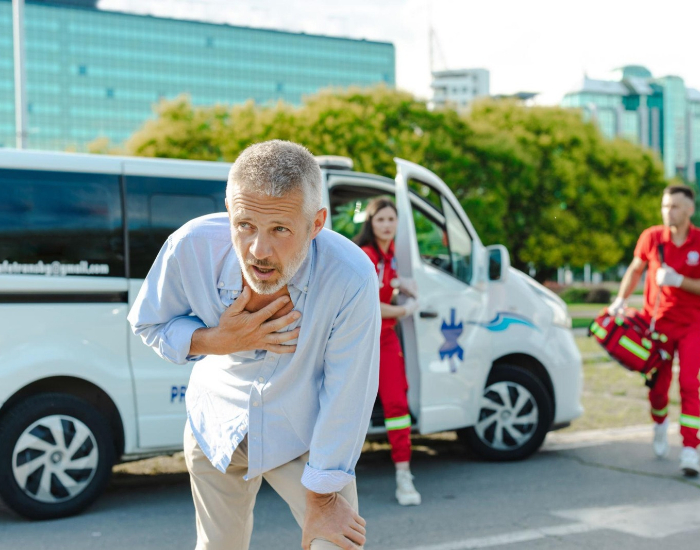
Chest pain or tightness
-
Shortness of breath or difficulty breathing
-
Vision changes, blurred vision, or sudden vision loss
-
Weakness, numbness, or tingling on one side of the body
-
Confusion, trouble speaking, or dizziness
-
Nausea or vomiting without clear cause
-
Nosebleeds that are frequent or unusually severe
These symptoms may indicate that high blood pressure is affecting critical organs, requiring immediate ER evaluation.
When to Seek Emergency Care
Knowing when to head straight to the ER can prevent life-threatening complications. Emergency care is recommended if:
-
Systolic pressure is ≥ 180 mmHg or diastolic is ≥ 120 mmHg
-
Any dangerous high blood pressure symptoms appear
-
Chest pain, shortness of breath, vision changes, or neurological signs develop
-
Symptoms are sudden, severe, or worsening
Even if you are unsure, it is safer to seek emergency care than to wait for symptoms to resolve on their own.
Who Manages Dangerous High Blood Pressure
-
Primary Care Physicians (PCPs):
-
Handle routine blood pressure management and long-term care
-
Adjust medications and recommend lifestyle interventions
-
-
Internal Medicine Specialists:
-
Ideal for patients with multiple health conditions or complications
-
Coordinate complex care involving heart, kidney, or endocrine issues
-
-
Emergency Room Physicians:
-
Trained to stabilize severe blood pressure elevations
-
Provide rapid interventions to prevent organ damage
-
While PCPs manage ongoing care, ER physicians are essential when high blood pressure symptoms become dangerous or life-threatening.
Common Causes of Sudden Dangerous Blood Pressure Spikes
Several factors can trigger abrupt increases in blood pressure:
-
Missing prescribed medications or poor adherence
-
Excessive salt intake or dehydration
-
Use of stimulants, decongestants, or recreational substances
-
Severe stress or anxiety
-
Acute kidney injury or heart failure
-
Hormonal or endocrine disorders
Understanding potential triggers helps patients prevent sudden emergencies and monitor their blood pressure more effectively.
How Dangerous High Blood Pressure is Evaluated in the ER
Emergency physicians act quickly to assess whether high blood pressure is causing immediate risk to organs. Typical evaluation steps include:
-
Repeated Blood Pressure Checks: Multiple readings confirm severity
-
Physical Examination: Focused on heart, lungs, neurological function, and eyes
-
Blood Tests: Assess kidney function, electrolytes, and cardiac markers
-
Electrocardiogram (ECG): Detects heart strain, arrhythmias, or early signs of heart attack
-
Imaging Studies: CT scans or ultrasounds may be ordered to check for stroke, aneurysms, or organ damage
These evaluations help determine whether the patient requires urgent hospitalization or can be managed with careful monitoring.
How High Blood Pressure is Managed
Management depends on severity and organ involvement. Common approaches include:
-
Medication Administration: Intravenous antihypertensives for rapid control
-
Oxygen Therapy: For shortness of breath or low oxygen levels
-
Continuous Monitoring: Vital signs and organ function tracked closely
-
Hospital Admission: Necessary for patients with organ damage or severe symptoms
-
Patient Education: Guidance on medication adherence, diet, and lifestyle changes for long-term blood pressure control
Early intervention reduces the risk of serious complications such as stroke, heart attack, and kidney failure.
Prevention of Dangerous High Blood Pressure
Preventing dangerous spikes involves a combination of lifestyle habits and medical care:
-
Take Medications Consistently: Never skip prescribed blood pressure medications
-
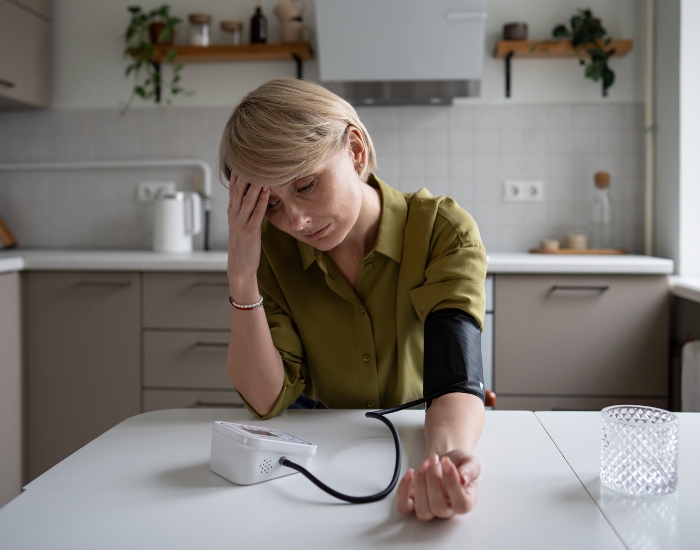
Regular Home Monitoring: Track blood pressure to identify early warning signs
-
Healthy Diet: Reduce sodium, eat plenty of fruits, vegetables, and whole grains
-
Regular Exercise: At least 150 minutes per week of moderate activity
-
Maintain Healthy Weight: Helps reduce strain on the heart
-
Limit Alcohol and Avoid Tobacco: Both increase blood pressure risk
-
Manage Stress: Practice mindfulness, meditation, or breathing exercises
-
Schedule Routine Checkups: Early detection and management prevent emergencies
Following these strategies can dramatically lower the risk of dangerous high blood pressure events.
Key Dangerous High Blood Pressure Symptoms to Watch:
-
Sudden severe headache
-
Chest pain or pressure
-
Shortness of breath
-
Vision changes or loss
-
Weakness, numbness, or tingling
-
Confusion, trouble speaking, or dizziness
-
Nausea or vomiting
Immediate Actions in Case of Symptoms:
-
Check blood pressure immediately if possible
-
Call 911 or go to the nearest ER without delay
-
Avoid driving yourself if feeling weak, dizzy, or confused
-
Bring a list of current medications for ER staff
-
Stay calm and seated while awaiting help
FAQs About Dangerous High Blood Pressure Symptoms
1. What counts as dangerously high blood pressure?
Blood pressure reading of 180/120 mmHg or higher is considered dangerous and may indicate a medical emergency.
2. Can dangerous high blood pressure occur suddenly?
Yes, even people with normally controlled blood pressure can experience rapid spikes due to stress, missed medications, or health conditions.
3. Should I go to the ER if I have chest pain and high blood pressure?
Yes, chest pain, shortness of breath, or neurological symptoms alongside high blood pressure requires immediate ER care.
4. Can lifestyle changes alone prevent dangerous blood pressure spikes?
Lifestyle changes help, but medication adherence and medical supervision are often essential for safety.
5. Who manages long-term high blood pressure care?
Primary care physicians and internal medicine specialists handle ongoing management, while ER doctors manage acute emergencies.
Final Thoughts
Recognizing high blood pressure symptoms early is crucial for avoiding severe complications. Sudden headaches, chest pain, vision changes, or shortness of breath are warning signs that should never be ignored. Immediate ER evaluation ensures that blood pressure is stabilized and vital organs are protected. Maintaining regular checkups, medication adherence, and a heart-healthy lifestyle helps prevent future emergencies and supports long-term cardiovascular health.
Medical Disclaimer:
This content is for educational purposes only and is not a substitute for professional medical advice. Always consult a qualified healthcare provider regarding any questions about your health, medications, or treatment plans. If experiencing a medical emergency, call 911 or go to the nearest emergency room immediately.