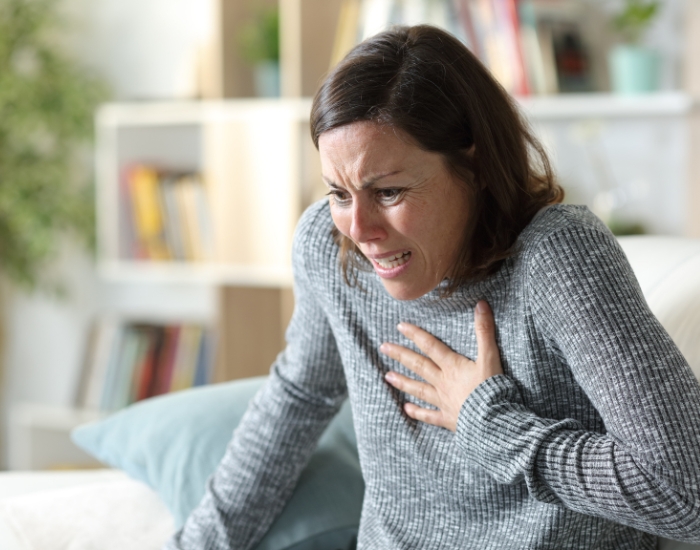
A woman feels unusually tired for several days in a row. The kind of fatigue that does not improve with rest. She becomes short of breath while climbing a single flight of stairs, even though that activity never caused problems before. Later, mild nausea begins. Food does not seem appealing. There is a vague pressure in the upper back, but no crushing chest pain.
Because the symptoms do not match the dramatic heart attack scenes often shown on television, she assumes it is stress, a stomach bug, or simple exhaustion.
Hours later, testing in the emergency room confirms a heart attack.
The signs of heart attack in women are often different from what many people expect. They can be subtle, gradual, and easy to dismiss. As a result, women frequently delay seeking emergency care. That delay can increase heart muscle damage and lead to more serious complications.
Recognizing how symptoms may present differently in women can protect heart health and improve survival.
Why Heart Attack Symptoms Differ in Women
Heart disease remains the leading cause of death among women in the United States. Despite this, many still believe heart attacks primarily affect men. This misconception contributes to delayed recognition and treatment.
The signs of heart attack in women may be less dramatic for several reasons.
Women often develop smaller vessel disease. Instead of one large artery becoming suddenly blocked, women are more likely to experience narrowing in smaller coronary arteries. This can produce less intense but more diffuse symptoms.
Hormonal influences also play a role. Estrogen affects blood vessel function, inflammation, and clot formation. Changes in hormone levels over time, especially after menopause, can alter how symptoms appear.
Pain perception may differ as well. Women are more likely to describe pressure, fullness, tightness, or burning rather than sharp or crushing pain.
In addition, atypical symptoms are more common in women. Instead of classic chest pain, the body may signal distress through fatigue, nausea, shortness of breath, or discomfort in less expected areas.
As a result, many women do not experience the dramatic chest-clutching pain often portrayed in movies. Instead, the symptoms may feel vague, mild, or unrelated to the heart.
Common Signs of Heart Attack in Women
Although chest discomfort can still occur, other symptoms are frequently more prominent.
Typical signs of heart attack in women include:
-
Pressure, tightness, squeezing, or fullness in the chest
-
Shortness of breath, even without chest pain
-
Nausea or vomiting
-
Unusual or overwhelming fatigue
-
Pain in the back, neck, jaw, or shoulders
-
Lightheadedness or dizziness
-
Cold sweats
Chest discomfort in women is often described differently. Rather than sharp pain, many report:
-
A heavy sensation
-
A feeling of fullness
-
Mild pressure that comes and goes
-
Burning that resembles indigestion
Shortness of breath may occur alone or alongside mild chest pressure. Some women report difficulty catching their breath during routine activities. Others feel winded while resting.
Unusual fatigue is one of the most commonly overlooked warning signs. This fatigue often feels sudden, intense, and out of proportion to daily activity. It may appear days before other symptoms develop.
Back, neck, or jaw pain can also signal a cardiac problem. Because these areas are not traditionally associated with heart attacks, the connection may not be immediately recognized.
Nausea and lightheadedness further complicate the picture. These symptoms are frequently mistaken for gastrointestinal illness or anxiety.
Understanding that the signs of heart attack in women may not center on severe chest pain is critical. Subtle symptoms deserve the same level of attention as more dramatic ones. When new, unexplained symptoms appear, especially in combination, emergency evaluation is the safest choice.
Subtle Symptoms That Should Not Be Ignored
Some signs of heart attack in women may seem unrelated to the heart.
These include:
-
Sudden extreme fatigue without clear cause
-
Indigestion-like discomfort
-
Upper abdominal pressure
-
Anxiety combined with physical symptoms
-
Difficulty sleeping before the event
Because these signs can mimic less serious conditions, women often wait too long to seek help.
When to Go to the ER
Emergency care is necessary if:
-
Chest discomfort lasts more than a few minutes
-
Symptoms spread to the jaw, back, or arm
-
Shortness of breath occurs suddenly
-
Nausea and sweating accompany chest pressure
-
Symptoms feel new, severe, or different from usual
Searching for emergency care immediately when experiencing signs of heart attack in women can prevent permanent damage.
Why Delays Are More Common in Women
Research shows women are more likely to:
-
Attribute symptoms to stress
-
Delay calling 911
-
Wait for symptoms to become severe
-
Seek care at urgent care instead of the ER
Unfortunately, delays reduce treatment options.
What Happens in the Emergency Room?
Evaluation includes:
-
Rapid EKG
-
Cardiac enzyme blood tests
-
Continuous heart monitoring
-
Imaging when needed
If a heart attack is confirmed, treatment may involve:
-
Blood thinners
-
Emergency angioplasty
-
Stent placement
-
Intensive monitoring
Prompt care improves survival and recovery.
Risk Factors Specific to Women
Certain factors increase risk:
-
High blood pressure
-
Diabetes
-
Smoking
-
Family history
-
Autoimmune diseases
-
Pregnancy-related complications
-
Early menopause
Women with these risk factors should be especially alert to potential heart attack symptoms.
Recovery and Follow-Up
After stabilization, care often involves:
-
Cardiologists
-
Primary care providers
-
Cardiac rehabilitation specialists
Lifestyle changes, medication adherence, and routine follow-up play key roles in long-term health.
FAQs
Do women always have chest pain during a heart attack?
No. Many experience other symptoms first.
Are signs of heart attack in women milder?
They can be subtler but are equally serious.
Is fatigue alone a warning sign?
Unusual, sudden fatigue combined with other symptoms should be evaluated.
Can younger women have heart attacks?
Yes, especially with risk factors.
Should women call 911 for mild symptoms?
If symptoms are new or concerning, emergency evaluation is recommended.
Final Thoughts on Signs of Heart Attack in Women
The signs of heart attack in women are often misunderstood. Subtle symptoms can delay life-saving treatment. Recognizing unusual fatigue, shortness of breath, jaw pain, or chest pressure as possible cardiac warning signs is critical.
Emergency evaluation provides rapid testing and intervention that protects heart muscle and long-term health. Acting quickly can make the difference between full recovery and serious complications.
Medical Disclaimer: This content is for educational purposes only and does not replace professional medical advice. If signs of heart attack in women occur, seek emergency medical care immediately.