
A sharp pain in the side or back can make you wonder, “Is this a kidney stone or a kidney infection?” The two conditions can cause some of the same symptoms, including back or side pain, nausea, urinary changes, and blood in the urine. However, they are not the same problem, and the difference matters when deciding how quickly to seek medical care.
A kidney stone is a hard collection of minerals that can move through the urinary tract. When a stone becomes stuck in the ureter, it can block urine flow and cause intense, wave-like pain. A kidney infection, also called pyelonephritis, is an infection that has reached one or both kidneys. Without prompt treatment, a kidney infection can damage the kidneys or spread into the bloodstream.
Knowing the difference can help you recognize when symptoms are more than an uncomfortable urinary problem. When severe pain is combined with fever, chills, vomiting, blood in the urine, or difficulty urinating, emergency evaluation may be necessary.

Important Note
Severe kidney or side pain with fever, chills, repeated vomiting, blood in the urine, trouble passing urine, confusion, fainting, or rapidly worsening symptoms can require emergency medical care. A kidney stone can sometimes block urine flow, while a kidney infection can spread into the bloodstream. If symptoms are severe or you feel seriously unwell, do not wait for them to resolve on their own.
Table of Contents
- Kidney Stone vs. Kidney Infection: What Is the Difference?
- What Do Kidney Stone Symptoms Feel Like?
- What Do Kidney Infection Symptoms Feel Like?
- Kidney Stone vs. Kidney Infection Symptoms
- When Is Kidney Pain an Emergency?
- Why a Blocked Kidney Can Become an Emergency
- Can a Kidney Infection Cause Sepsis?
- How Doctors Tell a Kidney Stone From a Kidney Infection
- How Kidney Stones and Kidney Infections Are Treated
- Should You Go to Urgent Care or the ER?
- When to Seek Emergency Care in Houston
- Frequently Asked Questions
- Final Thoughts
Kidney Stone vs. Kidney Infection: What Is the Difference?
The simplest way to understand the difference is this: a kidney stone is a physical blockage or mineral deposit, while a kidney infection is caused by bacteria or another infection involving the kidney.
Kidney stones develop when minerals and salts in urine form crystals that grow into hard stones. Some stones stay in the kidney and cause no symptoms. Symptoms often begin when a stone moves into the ureter, the narrow tube that carries urine from the kidney to the bladder.
A kidney infection usually develops when bacteria travel upward through the urinary tract. It may begin as a bladder infection or another urinary tract infection and then reach the kidney. A kidney infection requires prompt medical treatment, usually with antibiotics.
The symptoms can overlap. For example, both conditions may cause blood in the urine, nausea, back or side pain, and changes in urination. That is why trying to diagnose the cause based only on the location of the pain can be misleading.
One particularly important situation occurs when a kidney stone blocks urine flow and an infection is also present. The obstruction can prevent urine from draining normally, while bacteria continue to multiply. This combination can become a serious medical problem and should not be managed by simply waiting at home.
What Do Kidney Stone Symptoms Feel Like?
Kidney stone pain is often described as sudden, sharp, intense, or severe. It commonly begins in the side or back below the ribs and may move toward the lower abdomen, groin, or genital area as the stone travels through the urinary tract.
Unlike ordinary muscle soreness, kidney stone pain can come in waves. The intensity may rise and fall as the ureter spasms around the stone. A person may have difficulty sitting still because no position feels comfortable.
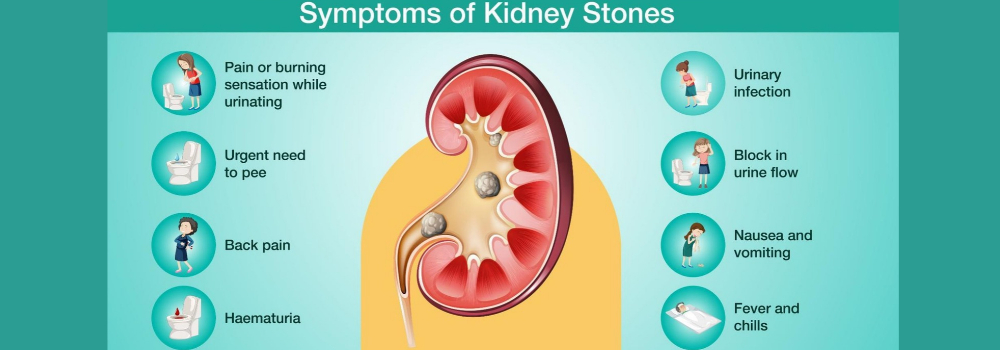
Other kidney stone symptoms can include:
- Sharp pain in the side or back
- Pain that moves toward the lower abdomen or groin
- Pain that comes and goes in waves
- Burning or pain during urination
- Frequent urination or a constant urge to urinate
- Passing only small amounts of urine
- Pink, red, or brown urine
- Nausea or vomiting
- Cloudy or foul-smelling urine
- Fever or chills if an infection is also present
A stone that becomes lodged in the ureter can block urine flow and cause the kidney to swell. Severe pain, vomiting, fever and chills, blood in the urine, or trouble passing urine are reasons to seek medical evaluation promptly.
It is also important to remember that not every kidney stone causes dramatic pain. A small stone may pass with little discomfort, while a larger or strategically positioned stone may cause severe symptoms. The size and location of the stone can influence what happens next.
What Do Kidney Infection Symptoms Feel Like?
Kidney infection symptoms can look different from typical kidney stone pain. Instead of primarily causing waves of sharp pain, a kidney infection often produces a combination of urinary symptoms and signs that the body is fighting an infection.
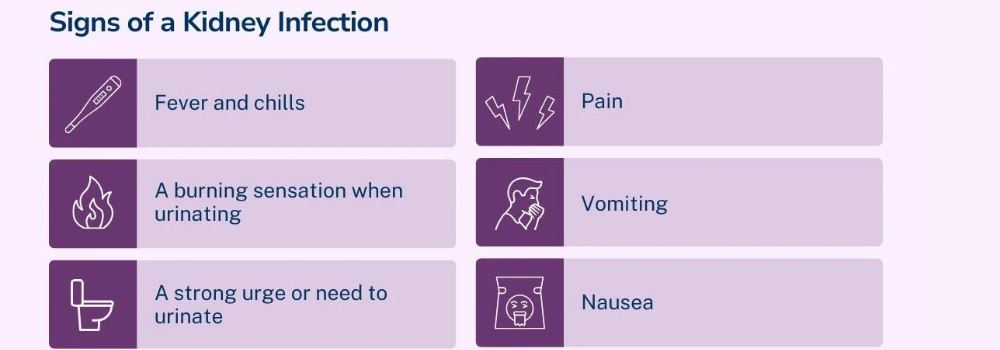
Common symptoms include:
- Fever
- Chills or shaking
- Pain in the back, side, or groin
- Burning or pain when urinating
- Frequent urination
- A strong or persistent urge to urinate
- Cloudy or foul-smelling urine
- Blood or pus in the urine
- Nausea or vomiting
- Abdominal discomfort
- Feeling unusually weak or ill
Fever and chills are particularly important clues because they are more suggestive of infection than an uncomplicated kidney stone. A person with a kidney infection may also have urinary symptoms similar to a bladder infection, followed by pain in the back or side as the infection reaches the kidneys.
A kidney infection should not be ignored simply because the pain is manageable. Without treatment, the infection can cause kidney damage or spread into the bloodstream. Severe kidney infections may require intravenous antibiotics and fluids in a hospital setting.
Kidney Stone vs. Kidney Infection Symptoms
When comparing a kidney stone vs kidney infection, the pattern of symptoms can provide useful clues, although only medical evaluation can determine the actual cause.
Kidney stone symptoms tend to include
- Sudden, severe side or back pain
- Pain that moves toward the groin or lower abdomen
- Pain that comes in waves
- Restlessness because it is difficult to find a comfortable position
- Blood in the urine
- Nausea or vomiting
- Urinary urgency or discomfort
Kidney infection symptoms tend to include
- Fever
- Chills or shaking
- Back or side pain
- Burning during urination
- Frequent urination
- Cloudy or foul-smelling urine
- Nausea or vomiting
- Feeling generally sick or weak
There can be considerable overlap. For example, a kidney stone may cause blood in the urine and nausea, while a kidney infection can also cause blood in the urine and nausea. Fever and chills make infection more concerning, while severe wave-like pain that moves from the back toward the groin is more typical of a moving stone.
Quick Answer: Which Is More Likely to Need Emergency Care?
Both kidney stones and kidney infections can require emergency care. A kidney stone becomes especially concerning when pain is severe, urine cannot pass, vomiting prevents hydration, or fever and chills suggest infection. A kidney infection needs prompt treatment, particularly when fever, chills, severe pain, vomiting, weakness, confusion, or other signs of serious illness develop.
When Is Kidney Pain an Emergency?
Not every episode of kidney-area discomfort means you need an emergency room. However, sudden or severe kidney pain should be taken seriously, particularly when it occurs with other warning signs.
Seek emergency medical care if you have kidney or flank pain with:
- Severe or rapidly worsening pain
- Fever or shaking chills
- Repeated vomiting
- Blood in the urine
- Difficulty passing urine or very little urine
- Severe weakness or feeling extremely unwell
- Confusion or unusual sleepiness
- Fainting or significant dizziness
- Fast or difficult breathing
- Symptoms that are worsening despite previous treatment
Sudden, serious kidney pain can require emergency evaluation even if blood is not visible in the urine. Mayo Clinic specifically advises emergency care for sudden, serious kidney pain, with or without blood in the urine.
Similarly, severe kidney stone symptoms should not be dismissed simply because kidney stones sometimes pass without treatment. Severe pain, vomiting, fever and chills, blood in the urine, or difficulty passing urine are reasons to seek medical care promptly.
Fever plus kidney stone symptoms deserves special attention
One of the most important combinations to recognize is severe kidney or flank pain plus fever or chills.
A kidney stone can obstruct the urinary tract. If bacteria are present behind an obstruction, infection may develop or worsen. This is more concerning than an uncomplicated stone because the blocked urinary system may not drain normally.
Do not assume that fever is simply a reaction to kidney stone pain. Fever and chills can indicate infection and require prompt medical evaluation.
Why a Blocked Kidney Can Become an Emergency
The urinary system depends on a continuous flow of urine from the kidneys through the ureters and into the bladder. A stone can become lodged in a ureter and interfere with that flow.
When urine cannot pass normally, pressure can build above the blockage. This can contribute to kidney swelling and severe pain. More importantly, if an infection is present at the same time, the situation can become much more serious.
This is why “kidney stone” does not automatically mean “wait it out.” A small stone with manageable symptoms may sometimes pass naturally, but a stone that causes obstruction, persistent severe pain, bleeding, kidney problems, or ongoing infection may require additional treatment.
If you have a known kidney stone and suddenly develop fever, chills, worsening pain, vomiting, or difficulty urinating, emergency evaluation is particularly important.
Can a Kidney Infection Cause Sepsis?
Yes. A kidney infection can spread beyond the urinary system and enter the bloodstream. This can lead to sepsis, a potentially life-threatening response to infection.
That does not mean every kidney infection becomes sepsis. Most are successfully treated when diagnosed promptly. The concern is that a serious infection can progress quickly in some people, particularly when treatment is delayed or the urinary tract is blocked.
Warning signs of severe infection can include confusion, very rapid breathing, severe weakness, dizziness, or difficulty staying awake. These symptoms require emergency care.
If a person has a suspected kidney infection and suddenly becomes confused, extremely weak, faint, difficult to wake, or develops significant breathing problems, call 911 rather than attempting to drive to an emergency department.
How Doctors Tell a Kidney Stone From a Kidney Infection
Symptoms alone may suggest one condition over the other, but testing is often necessary to determine what is actually happening.
A healthcare professional may begin with questions about when the pain started, where it is located, whether it moves, whether urination is painful, whether there is blood in the urine, and whether fever, chills, nausea, or vomiting are present.
A urine test is especially useful when infection or bleeding is suspected. Urinalysis can look for blood, white blood cells, bacteria, and other abnormalities. A urine culture may also be used to identify bacteria and help guide antibiotic treatment.
Blood tests may be performed when infection is suspected or when the illness appears more serious. Imaging can also help identify a stone, obstruction, kidney swelling, or another cause of pain. Depending on the situation, clinicians may use CT imaging or ultrasound.
The goal is not simply to label the pain as a “kidney stone” or “kidney infection.” The medical team needs to determine whether there is an obstruction, infection, kidney injury, or another condition requiring immediate treatment.
How Kidney Stones and Kidney Infections Are Treated
Kidney stone treatment
Treatment depends on the stone’s size, location, symptoms, and whether it is causing complications.
Small stones may pass on their own. Depending on the situation, a healthcare professional may recommend fluids, pain medication, and medication that helps the ureter relax. Larger stones or stones that cause persistent symptoms, obstruction, bleeding, kidney damage, or repeated infections may require a procedure to remove or break up the stone.
Severe kidney stone pain may require emergency treatment to control symptoms and determine whether the stone is causing a blockage or another complication.
Kidney infection treatment
Kidney infections are generally treated with antibiotics. The medication and treatment length depend on factors such as the bacteria involved, the severity of the infection, and the person’s overall health.
Some people can be treated with antibiotics at home. More serious infections may require hospitalization, intravenous antibiotics, and fluids.
It is important not to stop prescribed antibiotics simply because symptoms improve. The infection can return or become harder to treat if the full treatment plan is not followed.
What if there is both a stone and an infection?
This is one of the situations where prompt medical attention is especially important. A stone can obstruct urine flow while bacteria are present in the urinary system. The infection may not resolve properly until the obstruction is addressed.
For this reason, fever or chills in someone with known or suspected kidney stones should not be treated as a minor symptom.
Should You Go to Urgent Care or the ER?
The right setting depends on the severity and combination of symptoms.
Urgent care may be appropriate for some mild urinary symptoms when there are no signs of serious illness. However, urgent care is not the right choice when severe kidney pain, significant vomiting, fever with flank pain, difficulty passing urine, or other emergency symptoms are present.
An emergency room is better equipped to evaluate severe symptoms that may require laboratory testing, imaging, IV medication, fluids, or rapid treatment.
For a broader explanation of how to choose between these settings, see Urgent Care vs. ER.
If the main concern is urinary symptoms without severe pain, the UTI treatment and emergency care information can also provide useful context. However, symptoms involving the kidneys require more caution than a straightforward bladder infection.
When to Seek Emergency Care in Houston
Severe kidney or urinary symptoms should be evaluated based on their seriousness, not simply on whether it is daytime or nighttime. Kidney stones and kidney infections do not follow a convenient schedule.
Montrose Emergency Room provides 24/7 emergency care in Houston for adults and children. The facility is located at 1110 W. Gray St #101, Houston, TX 77019, near Montrose, Midtown, River Oaks, and Downtown Houston. The facility offers diagnostic services including CT scans, X-rays, and EKG testing, with board-certified physicians providing emergency evaluation.
For severe or worsening kidney-area pain, particularly when accompanied by fever, chills, vomiting, blood in the urine, or difficulty urinating, emergency evaluation can help determine whether the problem is a stone, infection, obstruction, or another condition.
Learn more about 24-hour emergency medical care in Houston or review the available online check-in option when appropriate. If symptoms are life-threatening, call 911 rather than delaying emergency treatment for online registration.
Can Kidney Stones Be Prevented?
Some kidney stones can be prevented by addressing the factors that contribute to stone formation. Adequate fluid intake is an important part of prevention for many people. However, prevention should be individualized because different types of stones have different causes.
If kidney stones keep returning, a healthcare professional may recommend testing the stone itself or evaluating urine and blood to better understand why stones are forming. Diet changes or medication may then be recommended based on the specific stone type and risk factors.
Do not force excessive amounts of water when you are experiencing severe pain, vomiting, or difficulty passing urine. Those symptoms need medical assessment rather than relying solely on fluids at home.
How Can Kidney Infections Be Prevented?
Preventing urinary tract infections can reduce the risk of infection reaching the kidneys. Helpful habits can include drinking adequate fluids, urinating when you need to rather than repeatedly holding urine, and following appropriate hygiene practices.
People who repeatedly develop UTIs may need a more individualized prevention plan. Pregnancy, urinary tract abnormalities, kidney stones, urinary blockage, and other conditions can change the risk of kidney infection.
If urinary symptoms are already present, prevention advice should not replace evaluation. A UTI that has progressed to the kidneys needs appropriate treatment.
Frequently Asked Questions
How can you tell the difference between a kidney stone and a kidney infection?
Kidney stones commonly cause severe, sharp, wave-like pain in the side or back that may move toward the lower abdomen or groin. Kidney infections are more likely to cause fever, chills, urinary burning, frequent urination, and a persistent feeling of being sick. However, symptoms overlap, so testing may be needed to tell them apart.
Is kidney stone pain worse than kidney infection pain?
It is difficult to compare pain because people experience both conditions differently. Kidney stones can cause extremely intense, wave-like pain, while kidney infections can cause significant back or side pain along with fever and systemic illness. The severity of pain alone cannot determine which condition is present.
Can a kidney infection feel like a kidney stone?
Yes. Both can cause pain in the back, side, or groin. A kidney infection may also cause urinary symptoms and fever or chills, while a stone often causes sudden, severe pain that may move as the stone travels through the urinary tract.
Can a kidney stone cause a kidney infection?
A kidney stone can contribute to infection when it blocks the normal flow of urine. Not every kidney stone causes an infection, but obstruction can increase the risk of complications.
Is blood in urine always a kidney stone?
No. Blood in the urine can occur with kidney stones, kidney infections, bladder infections, and several other urinary conditions. Visible blood should be evaluated rather than automatically assuming that a stone is responsible.
Should I go to the ER for kidney stone pain?
Emergency evaluation is appropriate when kidney stone pain is severe, rapidly worsening, accompanied by vomiting, fever or chills, blood in the urine, or difficulty passing urine. Sudden, serious kidney pain itself can warrant emergency care.
Can a kidney infection go away without antibiotics?
A suspected kidney infection should not be left untreated. Kidney infections are generally treated with antibiotics, and severe infections may require hospital treatment. Delayed treatment can allow the infection to worsen or spread.
What should I do if I have a kidney stone and a fever?
Seek prompt medical evaluation. Fever and chills can indicate an infection, and an infection occurring alongside a urinary obstruction can be particularly serious.
When should I call 911 for kidney pain?
Call 911 if kidney-area pain occurs with severe difficulty breathing, fainting, confusion, inability to stay awake, signs of shock, or another potentially life-threatening condition. If you are severely ill but stable enough for transport, seek emergency medical care without delaying evaluation.
Final Thoughts
Knowing the difference between a kidney stone vs kidney infection can help you recognize when urinary symptoms need urgent attention, but symptoms alone cannot always provide the answer.
Severe, wave-like side or back pain that moves toward the groin can point toward a kidney stone. Fever, chills, painful urination, frequent urination, cloudy or foul-smelling urine, and feeling generally ill can point toward a kidney infection. Still, the two conditions can overlap, and a kidney stone can sometimes contribute to an infection by blocking urine flow.
The most important warning signs are not symptoms to simply watch for days. Severe kidney pain, fever and chills, repeated vomiting, blood in the urine, difficulty passing urine, confusion, fainting, or rapidly worsening symptoms deserve prompt medical attention.
When symptoms are severe, emergency evaluation can identify the cause and determine whether the problem involves a stone, infection, obstruction, or another condition. Getting the right diagnosis early can also prevent a potentially manageable urinary problem from becoming a much more serious emergency.
Need Emergency Care for Severe Kidney or Urinary Symptoms?
If severe kidney or flank pain is accompanied by fever, chills, vomiting, blood in the urine, or difficulty urinating, emergency evaluation may be necessary. Montrose Emergency Room provides 24/7 emergency care in Houston with on-site diagnostic capabilities.
Montrose Emergency Room
1110 W. Gray St #101
Houston, TX 77019
Phone: (832) 487-0911
Medical Disclaimer: This article is for general educational purposes only and does not diagnose or treat any medical condition. Kidney pain, urinary symptoms, fever, blood in the urine, or severe abdominal or back pain can have multiple causes. If symptoms are severe, rapidly worsening, or potentially life-threatening, call 911 or seek emergency medical care immediately.