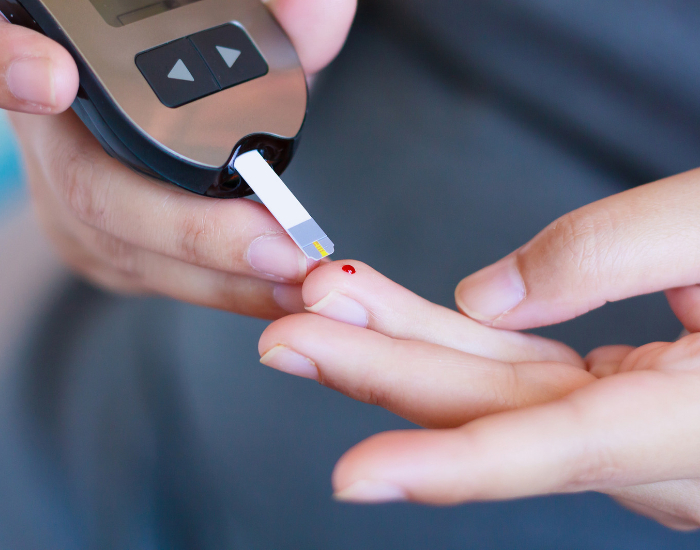
High blood sugar can cause symptoms that seem relatively mild at first. You may feel unusually thirsty, tired, weak, or simply “off.” But when high blood sugar is accompanied by nausea or vomiting, the situation deserves much more attention. Those symptoms can occur when the body is struggling to use glucose normally and begins producing ketones.
One of the most important emergencies to recognize is diabetic ketoacidosis, or DKA. DKA happens when there is not enough effective insulin, causing the body to break down fat for energy and produce acidic substances called ketones. As ketones build up, a person can become increasingly sick. Nausea, vomiting, abdominal pain, weakness, dehydration, breathing changes, and confusion can develop. DKA is potentially life-threatening and requires prompt treatment.
Very high blood sugar can also contribute to another serious condition called hyperosmolar hyperglycemic state, or HHS. HHS can cause profound dehydration, weakness, drowsiness, confusion, and, in severe cases, loss of consciousness. Blood glucose levels can become extremely high, sometimes above 600 mg/dL.
So, when is high blood sugar with nausea, vomiting, or weakness an emergency? The answer depends on the glucose level, the severity and combination of symptoms, ketone levels, hydration status, and how quickly the person is getting worse. This guide explains what to watch for and when emergency care is the safer choice.

Important Note
If high blood sugar is accompanied by repeated vomiting, severe weakness, confusion, trouble breathing, severe abdominal pain, fruity-smelling breath, fainting, or an inability to keep fluids down, do not wait for symptoms to improve on their own. These can be warning signs of diabetic ketoacidosis or another serious complication that requires immediate medical evaluation.
Table of Contents
- Can High Blood Sugar Cause Nausea?
- Why Can High Blood Sugar Cause Vomiting?
- Why Does High Blood Sugar Cause Weakness?
- Could It Be Diabetic Ketoacidosis?
- When Is High Blood Sugar an Emergency?
- What Blood Sugar Level Is an Emergency?
- What Can Cause Blood Sugar to Become Very High?
- What Should You Do If High Blood Sugar Causes Nausea or Weakness?
- How Is Severe High Blood Sugar Evaluated in the ER?
- How Is a High Blood Sugar Emergency Treated?
- Should You Go to Urgent Care or the ER?
- Frequently Asked Questions
- Final Thoughts
Can High Blood Sugar Cause Nausea?
Yes. High blood sugar can be associated with nausea, especially when glucose becomes significantly elevated and the body is becoming dehydrated or when ketones are building up.
Ordinary hyperglycemia does not always cause nausea. Early symptoms of high blood sugar more commonly include increased thirst, frequent urination, blurry vision, fatigue, and weakness. However, as hyperglycemia becomes more severe, nausea and vomiting can develop, particularly when diabetic ketoacidosis is occurring.
This distinction matters because nausea in someone with high blood sugar should not automatically be blamed on something eaten earlier, a stomach virus, or indigestion. If the nausea is accompanied by vomiting, abdominal pain, dehydration, rapid breathing, fruity-smelling breath, or increasing weakness, the combination may indicate a diabetes-related emergency.
For example, someone may notice a glucose reading that is much higher than usual and then begin feeling nauseated. A few hours later, they may start vomiting and become extremely tired. That progression is more concerning than an isolated episode of mild nausea.
If abdominal symptoms are significant or difficult to explain, emergency evaluation can also help doctors look for other causes of illness rather than assuming that blood sugar is the only problem. Montrose Emergency Room provides 24/7 emergency evaluation and diagnostic services for patients experiencing acute symptoms.
Why Can High Blood Sugar Cause Vomiting?
Vomiting becomes particularly concerning when high blood sugar is linked with ketone production.
When there is not enough insulin available to help glucose enter cells, the body may begin breaking down fat for energy. This process produces ketones. If ketones accumulate too quickly, the blood becomes increasingly acidic, leading to diabetic ketoacidosis.
DKA can cause nausea and vomiting along with abdominal pain, extreme tiredness, dehydration, increased thirst, frequent urination, fruity-smelling breath, and changes in breathing. Symptoms can worsen quickly.
Vomiting creates another problem: fluid loss. High blood sugar already causes the kidneys to pull additional water into the urine, increasing urination. Vomiting can accelerate that fluid loss. The resulting dehydration can make a person feel increasingly weak, dizzy, or confused.
This is why repeated vomiting with high blood sugar should not be treated as a simple stomach problem without considering the possibility of a serious glucose-related complication.
Why Does High Blood Sugar Cause Weakness?
Feeling weak or unusually tired is a recognized symptom of hyperglycemia. When glucose cannot be used effectively by cells, the body may struggle to meet its energy needs. At the same time, excessive urination can cause fluid and electrolyte losses, contributing to fatigue and weakness.
Weakness becomes more concerning when it is severe, rapidly worsening, or accompanied by other symptoms.
For example, mild tiredness after a high glucose reading is different from being so weak that standing becomes difficult. Weakness accompanied by vomiting, abdominal pain, rapid breathing, confusion, fainting, or an inability to drink can signal a medical emergency.
It is also important to remember that weakness is not specific to high blood sugar. Infection, dehydration, electrolyte abnormalities, heart problems, medication effects, and other medical conditions can cause weakness. An emergency evaluation may therefore be necessary when symptoms are severe or rapidly progressing.
If you are also experiencing significant dehydration symptoms, our guide to dehydration and electrolyte imbalance emergencies explains why fluid and electrolyte problems can become serious.
Could It Be Diabetic Ketoacidosis?
One of the biggest concerns when high blood sugar occurs with nausea, vomiting, or weakness is diabetic ketoacidosis.
DKA is most common in people with type 1 diabetes, but it can also occur in people with type 2 diabetes. In some cases, DKA is the first noticeable sign of diabetes in someone who has not previously been diagnosed.
The condition develops when there is not enough insulin for the body’s needs. Instead of using enough glucose for energy, the body turns to fat. This produces ketones, which can accumulate and make the blood dangerously acidic.
Common warning signs of DKA include:
- Nausea
- Repeated vomiting
- Abdominal pain
- Very strong thirst
- Frequent urination
- Extreme tiredness or weakness
- Dry mouth and dehydration
- Fruity-smelling breath
- Fast or deep breathing
- Confusion or difficulty concentrating
- Drowsiness or fainting
- High blood glucose
- Elevated ketones
The CDC specifically identifies persistent blood sugar of 300 mg/dL or higher, vomiting with an inability to keep food or drinks down, difficulty breathing, fruity-smelling breath, or multiple DKA symptoms as reasons to go to the emergency room or call 911.
That does not mean every person with a glucose reading above 300 mg/dL automatically has DKA. It means that a very high reading combined with concerning symptoms should be taken seriously rather than managed casually at home.
When Is High Blood Sugar an Emergency?
High blood sugar deserves emergency attention when it is accompanied by signs that the body is no longer coping well.
The most important warning signs include:
- Repeated vomiting: Especially if fluids cannot be kept down.
- Severe weakness: Particularly if standing, walking, or staying awake becomes difficult.
- Confusion: New confusion, unusual behavior, difficulty responding, or severe drowsiness is a major warning sign.
- Difficulty breathing: Fast, deep, or unusually labored breathing can occur with DKA.
- Fruity-smelling breath: This can occur when ketones are elevated.
- Severe abdominal pain: Abdominal pain can occur with DKA but can also indicate other emergencies.
- Fainting or near-fainting: This can indicate severe dehydration or another serious problem.
- Inability to drink: Vomiting combined with an inability to replace fluids can quickly worsen dehydration.
- High ketones: Elevated blood or urine ketones can be a warning sign of DKA.
- Very high glucose: Especially when the reading remains extremely elevated or continues rising despite the person’s usual treatment plan.
DKA can become life-threatening if it is not treated. The American Diabetes Association describes DKA as a medical emergency and emphasizes immediate medical care when symptoms develop.
Quick Answer: When Should You Go to the ER?
If high blood sugar is accompanied by vomiting that will not stop, inability to keep fluids down, severe weakness, confusion, trouble breathing, fruity-smelling breath, severe abdominal pain, fainting, or high ketones, emergency evaluation is appropriate. If the person is unconscious, severely confused, struggling to breathe, or rapidly deteriorating, call 911 rather than driving them yourself.
For anyone experiencing severe symptoms, 24-hour emergency medical care in Houston can provide evaluation when symptoms cannot safely wait for a routine appointment.
What Blood Sugar Level Is an Emergency?
There is no single glucose number that determines whether every person needs emergency care. Symptoms and ketone levels matter just as much as the number on the meter.
That said, very high readings deserve increasing caution, especially when they are persistent or accompanied by symptoms.
A glucose level above 240 mg/dL may prompt ketone testing for people with diabetes, particularly when they are sick or experiencing symptoms. Mayo Clinic advises checking for ketones when glucose reaches this range because ketones can signal changes that may lead to DKA.
The CDC advises emergency care when blood sugar stays at 300 mg/dL or above, particularly in the presence of DKA symptoms, vomiting, breathing difficulty, fruity-smelling breath, or multiple warning signs.
Extremely high glucose, particularly levels around or above 600 mg/dL, can occur with hyperosmolar hyperglycemic state. HHS can cause severe dehydration, drowsiness, confusion, seizures, and loss of consciousness and requires urgent medical treatment.
The key point is not to wait for a particular number if someone is clearly becoming very sick. A moderately high reading with repeated vomiting and confusion may be more urgent than a higher reading in someone who feels completely well and has a clear plan from their diabetes care team.
What Can Cause Blood Sugar to Become Very High?
High blood sugar does not always mean someone simply ate too much sugar. Several situations can cause glucose to rise or become difficult to control.
Illness or infection
Being sick can increase blood glucose because the body’s stress response releases hormones that can raise glucose. Infection can also make diabetes management more difficult. In some cases, illness is the trigger for DKA.
If high blood sugar is accompanied by fever, worsening weakness, confusion, breathing difficulty, or other signs of serious infection, emergency evaluation may be appropriate. Montrose Emergency Room also evaluates acute infections and other conditions that can cause significant illness.
Missed insulin or diabetes medication
Missing insulin, taking the wrong dose, or having a problem with an insulin pump can allow glucose and ketones to rise. These are recognized triggers for DKA.
Medication should not be changed randomly to correct a high reading unless the person’s healthcare professional has provided a specific correction plan.
Dehydration
High glucose can cause increased urination, which removes water from the body. Dehydration can then make the person feel weak and can make glucose management more difficult.
Vomiting makes this cycle even more concerning because the person may be losing fluids without being able to replace them.
Physical stress
Major illness, injury, surgery, and other forms of physical stress can affect blood sugar. The CDC lists physical injury and serious illnesses among potential DKA triggers.
Certain medications
Some medicines can affect blood glucose or increase the risk of DKA in certain people. Corticosteroids, for example, can raise blood sugar, while certain diabetes medications can be associated with DKA under particular circumstances. Medication-related risk depends on the individual and should be discussed with a healthcare professional.
What Should You Do If High Blood Sugar Causes Nausea or Weakness?
If you have diabetes and notice high blood sugar with nausea, vomiting, or unusual weakness, start by checking your glucose if you can do so safely.
If your diabetes care plan instructs you to check ketones during illness or high glucose, follow that plan. Ketones can provide important information about whether the body is moving toward DKA. Blood ketone testing or urine ketone strips may be used depending on the person’s diabetes management plan.
Do not simply exercise aggressively to try to lower a very high glucose level when ketones or serious symptoms may be present. Follow the sick-day or correction instructions provided by your healthcare professional.
If vomiting prevents you from keeping fluids down, symptoms are worsening, ketones are elevated, breathing becomes abnormal, or you become confused or extremely weak, seek emergency care.
If you are alone and becoming increasingly weak, confused, faint, or short of breath, call 911 rather than attempting to drive yourself.
How Is Severe High Blood Sugar Evaluated in the ER?
Emergency evaluation is not simply about checking the glucose number again. Doctors need to determine why the blood sugar is high and whether the person is developing DKA, HHS, dehydration, an electrolyte abnormality, infection, or another medical problem.
Depending on the symptoms, evaluation may include repeated blood glucose measurements, blood or urine ketone testing, electrolyte testing, kidney function testing, assessment of acid-base balance, and other laboratory studies.
Doctors may also check vital signs and hydration status and perform an examination to look for an underlying trigger such as infection or another acute illness.
If abdominal pain, chest symptoms, breathing problems, confusion, or other concerning symptoms are present, additional diagnostic testing may be needed based on the clinical situation.
Montrose Emergency Room has advanced diagnostic capabilities including EKG, X-ray, CT imaging, and laboratory evaluation for emergency conditions. The facility provides 24/7 emergency care for adults and children.

How Is a High Blood Sugar Emergency Treated?
Treatment depends on what is causing the symptoms and whether the person has DKA, HHS, dehydration, an infection, or another complication.
For DKA, emergency treatment commonly involves intravenous fluids, insulin, electrolyte replacement, and treatment of the underlying trigger. Careful monitoring is important because glucose, electrolytes, and acid-base balance can change during treatment.
HHS also requires urgent medical treatment, particularly because severe dehydration and changes in mental status can develop. Treatment may involve IV fluids, electrolyte management, insulin, and treatment of whatever caused the severe hyperglycemia.
The goal is not simply to make the glucose number look better. Emergency treatment addresses the underlying metabolic problem and protects the brain, heart, kidneys, and other organs from complications associated with severe dehydration, electrolyte disturbances, and abnormal blood chemistry.
Once the immediate emergency has been stabilized, the diabetes treatment plan may need to be reviewed so the same problem is less likely to happen again.
Should You Go to Urgent Care or the ER?
The choice between urgent care and an emergency room depends on the severity of the symptoms.
Mildly elevated blood sugar without significant symptoms may often be appropriate for discussion with a primary care or diabetes care team. However, high blood sugar combined with repeated vomiting, severe weakness, confusion, breathing difficulty, high ketones, or inability to stay hydrated is a different situation.
Those symptoms can indicate a problem that requires laboratory testing, IV fluids, insulin, electrolyte monitoring, or other emergency treatment. An urgent care center may not have the same resources needed for a potentially serious metabolic emergency.
If you are unsure whether symptoms are serious enough for emergency care, it is safer to focus on the symptoms rather than waiting for a specific glucose number to appear.
For more information about choosing emergency care for acute symptoms, see urgent care vs. ER care.
Can High Blood Sugar Cause Nausea Without DKA?
Yes. Nausea can have many causes, and a person with diabetes can experience nausea for reasons unrelated to DKA. Medication side effects, gastrointestinal illness, food-related illness, dehydration, infections, and other medical conditions can all cause nausea.
However, high blood sugar plus nausea should be evaluated more carefully when the glucose level is significantly elevated or when additional symptoms are present.
The combination of nausea with vomiting, abdominal pain, weakness, thirst, frequent urination, fruity breath, rapid breathing, or confusion is particularly concerning for DKA.
Can High Blood Sugar Make You Feel Extremely Weak?
Yes. Hyperglycemia can cause fatigue and weakness, and severe hyperglycemia can contribute to significant dehydration and metabolic disturbances.
But extreme weakness should never automatically be attributed to diabetes. If weakness is sudden, severe, or accompanied by confusion, fainting, chest discomfort, difficulty breathing, severe headache, one-sided weakness, or other alarming symptoms, emergency evaluation is appropriate.
When weakness occurs together with vomiting and high blood sugar, the possibility of dehydration, DKA, or another acute medical problem becomes more important to consider.
Can You Have DKA Without Extremely High Blood Sugar?
Yes. DKA is associated with elevated glucose in many cases, but the relationship between glucose and DKA is not always straightforward. Certain medications and circumstances can contribute to DKA with less dramatic glucose elevations.
This is one reason symptoms and ketone levels matter. A person who has nausea, vomiting, abdominal pain, unusual weakness, rapid breathing, or other DKA symptoms should not dismiss the possibility of DKA simply because the glucose reading is not extraordinarily high.
If symptoms are concerning, emergency medical evaluation can determine whether ketones, acid-base changes, dehydration, or another complication is present.
What Does Fruity-Smelling Breath Mean With High Blood Sugar?
A fruity or sweet-smelling breath odor can occur when ketones build up. Ketones are produced when the body breaks down fat for energy because it cannot use enough glucose effectively.
Fruity-smelling breath is particularly concerning when it occurs with nausea, vomiting, abdominal pain, rapid or deep breathing, severe weakness, or confusion. These are recognized warning signs of DKA.
If several of these symptoms occur together, do not wait for them to resolve at home.

Frequently Asked Questions
Is nausea a sign of high blood sugar?
Nausea can occur with severe hyperglycemia, particularly when diabetic ketoacidosis develops. Mild high blood sugar more commonly causes thirst, frequent urination, blurry vision, fatigue, or weakness. Nausea becomes more concerning when accompanied by vomiting, abdominal pain, ketones, breathing changes, or confusion.
Is vomiting with high blood sugar an emergency?
It can be. Repeated vomiting or vomiting that prevents a person from keeping fluids down is especially concerning when blood sugar is high. The combination can occur with DKA and can quickly worsen dehydration. Emergency evaluation is recommended when vomiting occurs with high ketones, breathing difficulty, fruity-smelling breath, severe weakness, confusion, or persistent very high glucose.
What are the signs of diabetic ketoacidosis?
Common signs include excessive thirst, frequent urination, nausea, vomiting, abdominal pain, weakness or extreme tiredness, dehydration, fruity-smelling breath, rapid or deep breathing, and confusion. High blood or urine ketones are an important warning sign.
What blood sugar level should make me go to the ER?
There is no single number that applies to everyone. However, the CDC recommends emergency care when blood sugar remains at 300 mg/dL or above, especially when accompanied by DKA symptoms, vomiting, breathing difficulty, fruity breath, or multiple warning signs. Extremely high glucose, such as levels around 600 mg/dL or higher, can occur with HHS and requires urgent medical attention.
Can dehydration make high blood sugar worse?
Yes. High blood sugar can cause increased urination and fluid loss. Vomiting can increase that loss further. Severe dehydration can become dangerous and is an important part of both DKA and HHS.
Can someone without diagnosed diabetes develop DKA?
Yes. DKA can sometimes be the first noticeable sign of diabetes, particularly when someone has previously undiagnosed type 1 diabetes. People without a prior diabetes diagnosis who develop high blood sugar with vomiting, abdominal pain, severe weakness, excessive thirst, frequent urination, breathing difficulty, or confusion should receive prompt medical evaluation.
Should I exercise if my blood sugar is very high?
Do not rely on exercise as a way to treat very high blood sugar when you are sick or may have ketones. Follow the glucose and ketone management instructions provided by your healthcare professional. If high blood sugar is accompanied by vomiting, breathing difficulty, severe weakness, confusion, or other DKA warning signs, seek medical care instead of trying to exercise it away.
Can an infection cause high blood sugar and weakness?
Yes. Illness and infection can make blood sugar harder to control and can contribute to severe hyperglycemia or DKA. If high blood sugar occurs with fever, worsening weakness, vomiting, confusion, breathing difficulty, or other signs of serious infection, urgent medical evaluation may be needed.
Final Thoughts
High blood sugar by itself does not always mean an emergency. But when high glucose is accompanied by nausea, vomiting, or significant weakness, it is important to look at the entire picture.
Repeated vomiting, inability to keep fluids down, severe weakness, abdominal pain, fruity-smelling breath, rapid or deep breathing, confusion, fainting, high ketones, or persistently very high glucose can indicate a serious complication such as diabetic ketoacidosis or hyperosmolar hyperglycemic state.
DKA can develop quickly and may sometimes be the first noticeable sign of diabetes. HHS can cause profound dehydration and changes in mental status. Both conditions require medical treatment rather than waiting for symptoms to resolve on their own.
When symptoms are severe or worsening, the safest approach is to seek emergency medical care. Montrose Emergency Room provides 24/7 emergency care in Houston with physicians and diagnostic capabilities available for acute medical conditions. The facility is located at 1110 W. Gray St #101, Houston, TX 77019, near Montrose, Midtown, River Oaks, and Downtown Houston.
Need Emergency Care for High Blood Sugar?
High blood sugar with repeated vomiting, severe weakness, confusion, breathing difficulty, fruity-smelling breath, or other serious symptoms should not be ignored. Montrose Emergency Room is open 24/7 for emergency medical evaluation.
Montrose Emergency Room
1110 W. Gray St #101
Houston, TX 77019
Call (832) 487-0911
Medical Disclaimer: This information is for educational purposes only and is not a substitute for professional medical advice, diagnosis, or treatment. High blood sugar with vomiting, severe weakness, confusion, breathing difficulty, or other serious symptoms can be a medical emergency. If symptoms are severe, rapidly worsening, or life-threatening, call 911 or seek emergency medical care immediately.