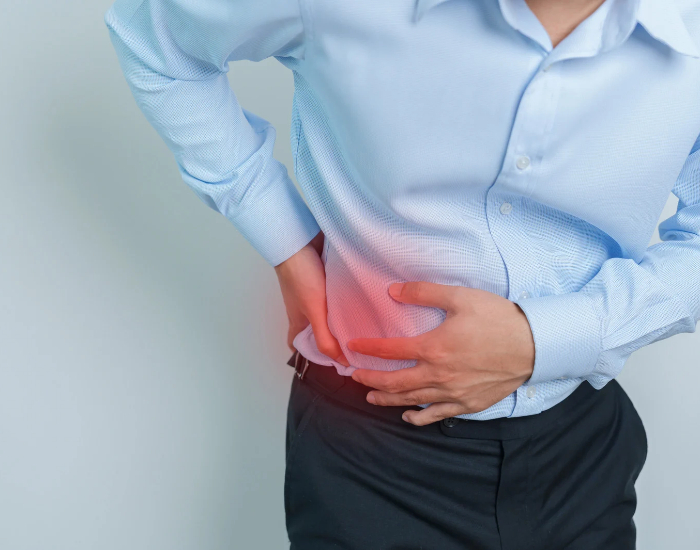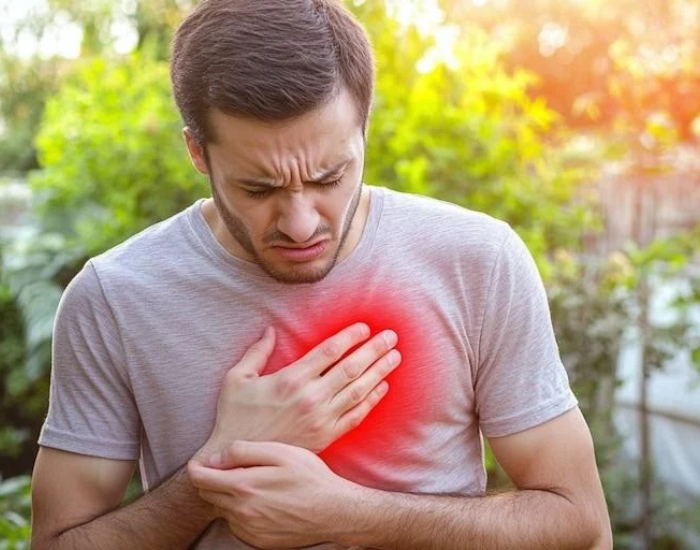
Chest tightness and a pounding heartbeat can be unsettling, especially when they happen suddenly. A racing or forceful heartbeat may occur during anxiety, panic, stress, caffeine use, or physical exertion. However, chest tightness can also occur with heart problems, abnormal heart rhythms, blood clots, breathing conditions, and other emergencies.

Important Note
Chest tightness together with a pounding or irregular heartbeat should not automatically be blamed on anxiety. Chest pressure, severe shortness of breath, fainting, severe dizziness, sweating, nausea, weakness, or pain spreading to the arm, jaw, back, neck, or shoulder can indicate a medical emergency. Call 911 for severe, sudden, or unexplained symptoms.
Table of Contents
- When Should You Go to the ER for Chest Tightness and a Pounding Heartbeat?
- Warning Signs of a Heart Emergency
- Can Anxiety Cause Chest Tightness and a Pounding Heartbeat?
- Anxiety or Heart Problem: How Can You Tell?
- Heart Problems That Can Cause These Symptoms
- Other Possible Causes
- How an ER Evaluates Chest Tightness and a Pounding Heartbeat
- How These Symptoms Are Treated
- What Should You Do While Waiting for Help?
- Chest Tightness and Pounding Heartbeat in Houston
- Frequently Asked Questions
- Final Thoughts
When Should You Go to the ER for Chest Tightness and a Pounding Heartbeat?
Chest tightness and a pounding heartbeat deserve emergency evaluation when they are new, severe, unexplained, sudden, or accompanied by other concerning symptoms. The combination can occur during anxiety, but the same symptoms can also occur during a heart attack or abnormal heart rhythm.
Emergency care is especially important when chest tightness feels like pressure, squeezing, heaviness, or fullness rather than a brief, familiar sensation. Heart attack symptoms can also spread into the arms, back, neck, jaw, shoulder, or upper abdomen. Shortness of breath, nausea, cold sweating, unusual fatigue, or lightheadedness may occur as well.
A pounding heartbeat becomes more concerning when it occurs with chest discomfort, severe dizziness, fainting, shortness of breath, or significant weakness. These symptoms can occur with certain abnormal heart rhythms and should not be dismissed as anxiety without an appropriate medical evaluation.
Anyone experiencing severe or unexplained chest symptoms should call 911 rather than trying to determine the cause at home. Emergency medical teams can begin evaluation and treatment while arranging hospital care when necessary.
For more information about choosing between urgent care and emergency care, see urgent care vs. ER for chest pain.
Warning Signs of a Heart Emergency
The most important question is not simply how fast the heart is beating. The surrounding symptoms matter just as much.
Chest tightness with a pounding heartbeat warrants emergency attention when it occurs with:
- Chest pressure, squeezing, heaviness, or unexplained discomfort
- Shortness of breath or difficulty breathing
- Fainting or feeling close to fainting
- Severe dizziness or lightheadedness
- Cold sweating
- Nausea or vomiting
- Unusual weakness or extreme fatigue
- Pain or discomfort spreading to the arm, shoulder, back, neck, jaw, or upper abdomen
- A very fast or irregular heartbeat
- Confusion or a sudden change in alertness
- New symptoms that appear during physical activity
- Symptoms that are severe, worsening, or do not settle
The American Heart Association notes that chest discomfort, shortness of breath, lightheadedness, nausea, sweating, and rapid or irregular heartbeat can occur with heart attack symptoms. Some heart attacks begin gradually with mild discomfort, so waiting for unbearable pain is not a safe strategy.
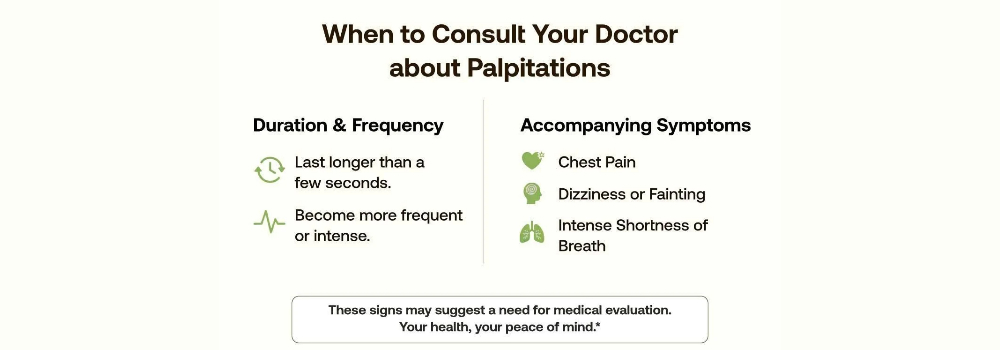
Mayo Clinic also recommends emergency medical attention when palpitations occur with chest discomfort or pain, fainting, severe shortness of breath, or severe dizziness.
Sudden chest tightness plus a pounding heartbeat should be treated seriously when the cause is unclear. The safest approach is prompt medical evaluation rather than trying to prove that the symptoms are caused by anxiety.

Can Anxiety Cause Chest Tightness and a Pounding Heartbeat?
Yes. Anxiety can cause both chest tightness and a pounding heartbeat.
During a strong stress response, the body releases hormones that prepare it to respond to a perceived threat. Heart rate can increase, breathing can change, muscles can tighten, and a person may become highly aware of their heartbeat. Chest muscles may also feel tense or uncomfortable.
A panic attack can make these sensations feel especially intense. Someone may experience a racing or pounding heart, chest tightness, rapid breathing, sweating, trembling, dizziness, nausea, or a feeling that something terrible is about to happen.
That does not mean every episode of chest tightness and a pounding heartbeat is anxiety.
Anxiety and heart conditions can produce overlapping symptoms. A person may also experience anxiety because something is wrong with the heart, rather than the heart symptoms being caused by anxiety. That distinction is one reason new or unexplained chest symptoms deserve careful attention.
Stress and anxiety are recognized triggers for palpitations, and palpitations can also occur with exercise, stimulant use, medications, or certain medical conditions.
For someone who has experienced medically evaluated anxiety-related episodes before, a familiar pattern may be easier to recognize. A new pattern, substantially stronger episode, or symptom combination involving chest pressure, fainting, severe breathing difficulty, or significant dizziness deserves medical evaluation.
Anxiety or Heart Problem: How Can You Tell?
There is no reliable way to distinguish anxiety from a potentially serious heart problem based only on how the symptoms feel. Chest tightness and a pounding heartbeat can overlap between the two.
Anxiety may cause symptoms during periods of intense worry, fear, emotional stress, or panic. The heartbeat may feel fast or forceful, and symptoms may occur with trembling, sweating, rapid breathing, tingling, or a feeling of impending danger.
Heart problems can also cause a racing or pounding heartbeat, but they may occur with chest pressure, shortness of breath, dizziness, fainting, unusual weakness, sweating, or pain that spreads to other areas of the upper body. Arrhythmias can produce palpitations along with chest discomfort, difficulty breathing, dizziness, fainting, weakness, or fatigue.
One particularly important clue is a change from your usual pattern. A new symptom, a more intense episode, symptoms occurring during exertion, or symptoms that do not improve should not automatically be attributed to anxiety.
Another important point is that anxiety can exist alongside a medical emergency. Feeling frightened does not rule out a heart problem.
Quick Answer: Anxiety or Heart Emergency?
Chest tightness and a pounding heartbeat can be caused by anxiety, but the symptoms can also signal a heart attack or abnormal heart rhythm. Chest pressure, shortness of breath, fainting, severe dizziness, sweating, nausea, unusual weakness, or pain spreading to the arm, jaw, back, neck, or shoulder require emergency medical evaluation.
Heart Problems That Can Cause These Symptoms
Heart attack
A heart attack occurs when blood flow to part of the heart muscle becomes blocked or severely reduced. Chest discomfort is often described as pressure, squeezing, fullness, tightness, or pain. The discomfort may spread to the arm, back, neck, jaw, shoulder, or upper abdomen.
Shortness of breath, nausea, sweating, fatigue, lightheadedness, or sudden dizziness may occur with or without prominent chest pain. Some heart attacks begin slowly and symptoms can come and go.
A pounding or rapid heartbeat may also occur with heart attack symptoms. Chest tightness combined with these symptoms should be treated as an emergency.
For a more detailed guide, see chest pain emergency room care in Houston.
Abnormal heart rhythms
An arrhythmia occurs when the heart beats too quickly, too slowly, or irregularly. Some rhythm changes cause no noticeable symptoms, while others produce a pounding, fluttering, racing, or skipping sensation.
Arrhythmias can also cause chest discomfort, dizziness, fainting, difficulty breathing, weakness, or fatigue. Certain arrhythmias can interfere with the heart’s ability to pump blood effectively and require prompt medical attention.
Atrial fibrillation and other rapid rhythms
Atrial fibrillation can cause a heartbeat that feels irregular, fast, fluttering, or pounding. Some people also experience chest pain, dizziness, fainting, fatigue, or difficulty breathing. Untreated atrial fibrillation can increase the risk of serious complications, including stroke and heart failure.
Other rapid heart rhythms can produce similar sensations. A very fast heartbeat accompanied by chest pain, shortness of breath, weakness, dizziness, or fainting requires immediate medical attention.
Other Possible Causes of Chest Tightness and a Pounding Heartbeat
Heart conditions are important to rule out, but they are not the only possible causes.
Anxiety and panic attacks
Anxiety can trigger a strong physical stress response that increases heart rate and creates chest muscle tension. Panic attacks can produce sudden and intense symptoms that resemble other medical conditions.
Caffeine and energy drinks
Caffeine and other stimulants can increase awareness of the heartbeat or contribute to a racing sensation. Energy drinks may contain substantial amounts of caffeine and other stimulants.
Medications and decongestants
Some prescription medicines, over-the-counter cold medicines, and other stimulants can affect heart rate. Reviewing recent medication changes can help clinicians identify potential triggers.
Dehydration and electrolyte changes
Significant dehydration can contribute to weakness, dizziness, and a faster heartbeat. Electrolyte disturbances may also affect the heart’s electrical activity.
Severe symptoms or chest tightness should not be attributed to dehydration without an appropriate assessment. For related symptoms, see emergency care for dehydration and electrolyte imbalance.
Low blood sugar
Low blood sugar may cause shakiness, sweating, weakness, dizziness, and a rapid heartbeat. People with diabetes who use insulin or certain glucose-lowering medicines may be particularly vulnerable.
Respiratory conditions
Asthma, respiratory infections, and other breathing problems can create chest tightness. Difficulty breathing can also cause the heart to beat faster as the body responds to stress or reduced oxygen levels.
Chest tightness accompanied by significant breathing difficulty deserves prompt evaluation. Montrose Emergency Room provides emergency evaluation for breathing difficulties and other urgent symptoms.
Acid reflux
Acid reflux can cause burning or discomfort behind the breastbone and may sometimes feel similar to chest symptoms from other conditions. However, new or unexplained chest discomfort should not automatically be assumed to be reflux, especially when it occurs with a pounding heartbeat, shortness of breath, sweating, dizziness, or weakness.
Muscle strain
Chest wall muscles can become sore after exercise, lifting, coughing, or physical strain. Tenderness that changes with movement or pressure may suggest a musculoskeletal cause, but the overall symptom pattern still matters.
How an ER Evaluates Chest Tightness and a Pounding Heartbeat
The purpose of an emergency evaluation is to identify dangerous causes quickly while considering less serious explanations.
A clinician may first check blood pressure, heart rate, oxygen level, temperature, and other vital signs. Questions about when the symptoms started, what they feel like, what happened before they began, and whether they have happened previously can provide important clues.
An EKG or ECG is commonly used to evaluate the heart’s electrical activity. It can help identify certain abnormal rhythms and may provide important information when a heart attack is suspected.
Blood testing may also be used to look for evidence of heart muscle injury or other medical problems. Depending on the symptoms, clinicians may order chest X-rays, CT imaging, or other diagnostic studies.
Montrose Emergency Room offers advanced emergency diagnostics, including EKG, X-rays, CT scans, and cardiac evaluation for chest-related emergencies.
The exact testing depends on the symptoms and clinical findings. Someone with chest tightness and a pounding heartbeat may need a different evaluation from someone experiencing brief palpitations without any other symptoms.
How These Symptoms Are Treated
Treatment depends entirely on the underlying cause.
A heart attack may require immediate treatment to restore blood flow and protect heart muscle. An abnormal heart rhythm may require medications, monitoring, or other interventions depending on the specific rhythm and how it affects the patient.
Breathing problems may require oxygen, inhaled medications, other respiratory treatments, or additional testing. Dehydration may require fluids and correction of electrolyte abnormalities. Low blood sugar requires prompt correction of glucose levels.
Anxiety-related symptoms may be managed with reassurance, breathing techniques, stress management, and appropriate mental health care after dangerous medical causes have been considered.
The important distinction is that treatment for anxiety should not replace emergency evaluation when chest symptoms could represent a heart or other medical emergency.
What Should You Do While Waiting for Help?
Severe chest tightness or symptoms that suggest a heart emergency require calling 911. Do not drive yourself when you are experiencing severe symptoms, fainting, major breathing difficulty, or possible heart attack symptoms.
Stop physical activity and sit or rest in a safe position while waiting for emergency help. Keep your phone nearby and follow instructions from emergency medical personnel.
Do not take someone else’s heart medication or attempt to treat unexplained chest symptoms based on an internet diagnosis.
Anyone who becomes unconscious and is not breathing normally needs immediate emergency intervention. Call 911 and begin CPR when appropriate while following the emergency dispatcher’s instructions.
For non-life-threatening but concerning symptoms, an emergency room can provide evaluation when the cause is uncertain. Montrose Emergency Room operates 24/7 and accepts walk-in emergency patients.
Chest Tightness and Pounding Heartbeat in Houston
New chest tightness with a pounding heartbeat can be difficult to interpret, especially when anxiety is also present. The priority should be determining whether the symptoms could represent a heart or other emergency.
Montrose Emergency Room provides 24/7 emergency evaluation in Houston for chest pain, chest discomfort, rapid or irregular heartbeat, breathing problems, dizziness, and other urgent symptoms. The facility is located at 1110 W. Gray St #101, Houston, TX 77019, near Montrose, Midtown, River Oaks, and Downtown Houston.
The facility offers EKG testing, cardiac monitoring, laboratory testing, X-rays, CT imaging, and emergency treatment based on the patient’s condition. Board-certified physicians and trained medical staff are available for emergency evaluation.
For severe symptoms that may indicate a heart attack or another life-threatening condition, call 911 immediately.
For additional information about emergency chest care, visit common ER symptoms treated at Montrose Emergency Room.
Frequently Asked Questions
Can anxiety cause chest tightness and a pounding heartbeat?
Yes. Anxiety and panic can increase heart rate, create a pounding heartbeat, and cause chest tightness. However, these symptoms can also occur with heart attacks and abnormal heart rhythms, so new or unexplained symptoms should not automatically be attributed to anxiety.
When is chest tightness with a pounding heartbeat an emergency?
Emergency care is appropriate when chest tightness and a pounding heartbeat occur with chest pressure, shortness of breath, fainting, severe dizziness, sweating, nausea, weakness, or pain spreading to the arm, jaw, back, neck, or shoulder. Sudden or severe unexplained chest symptoms also require emergency evaluation.
Can a heart attack cause a pounding heartbeat?
Yes. A rapid or irregular heartbeat can occur among heart attack warning symptoms. Chest discomfort, shortness of breath, nausea, sweating, fatigue, or lightheadedness can occur as well.
Can an irregular heartbeat cause chest tightness?
Yes. Some arrhythmias can cause chest pain or discomfort along with pounding, racing, fluttering, or irregular heartbeats. Dizziness, fainting, difficulty breathing, weakness, and fatigue may also occur.
Should I go to the ER for a racing heart and chest pressure?
Yes. Chest pressure combined with a racing or pounding heartbeat can indicate a heart emergency. Call 911 for severe, sudden, or unexplained symptoms rather than waiting to see whether they disappear.
Can dehydration cause a pounding heart?
Dehydration can contribute to a faster heartbeat, particularly when fluid loss affects circulation. Severe dehydration may also cause weakness, dizziness, and other concerning symptoms. Chest tightness or severe symptoms still require evaluation rather than assuming dehydration is the cause.
Can caffeine cause chest tightness and a racing heart?
Caffeine and other stimulants can make the heart beat faster or make a person more aware of their heartbeat. Chest tightness should not automatically be blamed on caffeine, particularly when symptoms are new, severe, persistent, or accompanied by shortness of breath, dizziness, fainting, or other warning signs.
Can a panic attack feel like a heart problem?
Yes. Panic attacks can produce intense physical symptoms, including chest tightness, rapid heartbeat, sweating, trembling, dizziness, and shortness of breath. Because serious heart conditions can cause overlapping symptoms, a new or unusually severe episode may require medical evaluation.
What tests might be done for chest tightness and a pounding heartbeat?
An emergency evaluation may include vital signs, an EKG or ECG, blood tests, oxygen monitoring, and imaging such as a chest X-ray or CT scan when clinically appropriate. The exact tests depend on the symptoms and examination findings.
Should I drive myself to the ER with chest tightness?
Severe or potentially life-threatening symptoms are a reason to call 911 rather than drive yourself. Emergency medical teams can begin care during transport and coordinate appropriate emergency treatment.
Final Thoughts
Chest tightness and a pounding heartbeat can happen during anxiety, but anxiety is not the only possible explanation. Heart attacks, abnormal heart rhythms, respiratory conditions, dehydration, medication effects, low blood sugar, reflux, and other problems can produce overlapping symptoms.
The combination becomes particularly concerning when chest tightness occurs with pressure, shortness of breath, fainting, severe dizziness, sweating, nausea, weakness, or pain that spreads into the arm, jaw, back, neck, or shoulder.
Do not try to determine at home whether serious chest symptoms are “just anxiety.” New, severe, sudden, worsening, or unexplained symptoms deserve prompt medical attention.
Need Emergency Care in Houston?
Montrose Emergency Room provides 24/7 emergency evaluation for chest tightness, chest pain, pounding or irregular heartbeat, breathing problems, dizziness, and other urgent symptoms. Our facility is located at 1110 W. Gray St #101, Houston, TX 77019.
Call Montrose Emergency Room: (832) 487-0911
Medical Disclaimer: This article is provided for general educational purposes and is not a substitute for professional medical advice, diagnosis, or treatment. Chest tightness, chest pressure, pounding or irregular heartbeat, shortness of breath, fainting, severe dizziness, weakness, or other sudden symptoms may indicate a medical emergency. Call 911 for severe or life-threatening symptoms.